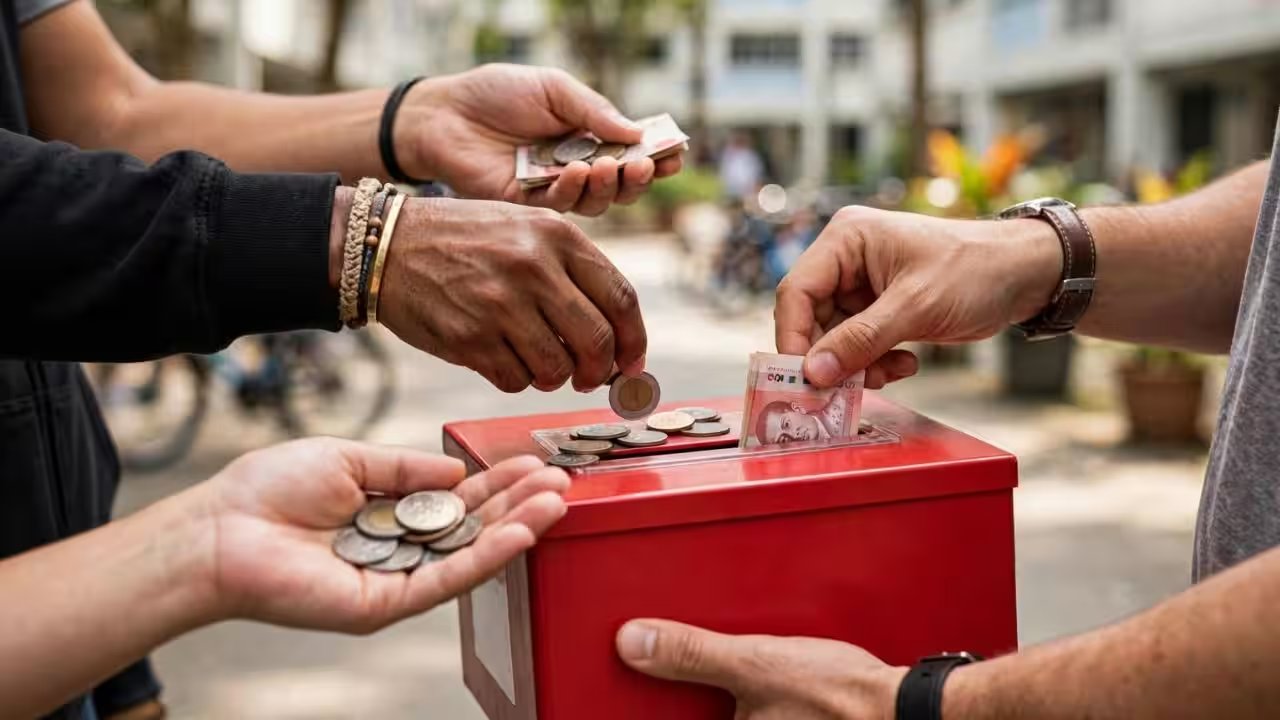
A Singapore court handed down a 46-month prison sentence to Lim Kah Kheng, 42, after he was found guilty of running a multi-year donation scam that targeted residential neighborhoods. The conviction, finalized on November 17, 2025, stems from four counts of cheating under Section 420 of the Penal Code 1871. Judges also considered eight additional cheating charges and three counts of theft in a dwelling when determining the final term.
The operation ran from January 28, 2020, until June 24, 2024. Lim didn't just knock on doors; he manufactured counterfeit staff passes and forged documents to project an air of legitimacy. He recruited seven accomplices, keeping them under the impression they were supporting genuine social entrepreneurship projects. In reality, they were feeding a pipeline that drained $106,000 from more than 12,600 victims. The scheme specifically targeted areas like Bedok North Street 3, where police first received a tip-off about a man soliciting cash from residents.
The scale of the deception is stark. Section 420 of Singapore’s Penal Code carries a maximum penalty of 10 years, yet Lim’s sentence reflects the specific gravity of the four proven counts. The remaining charges served as aggravating factors. For the victims, the loss isn't just financial; it’s a betrayal of trust in community-based giving. Police and the Office of the Commissioner of Charities emphasized that such scams rely on the victim's hesitation to ask tough questions.
Authorities have responded with a blunt advisory. Citizens are instructed to verify any fundraiser through the official Charity Portal and demand clarity on where the money goes. Do not hand over credit card details or personal information to strangers. If an appeal feels pressuring, step away. The next step for the public is vigilance; for the system, it’s a reminder that even small-amount donations, when aggregated across thousands of households, create a lucrative target for organized fraud.