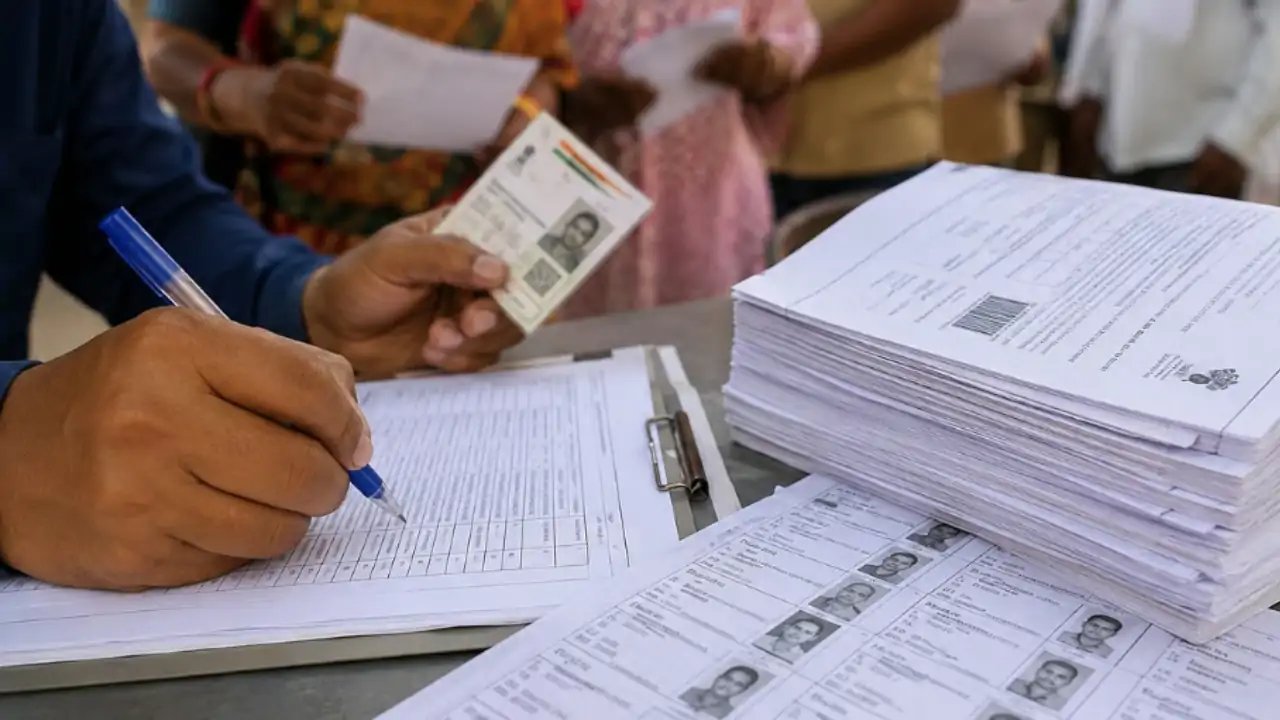
The Special Intensive Revision, launched in June 2025, aims to overhaul India’s electoral rolls ahead of the 2026 general elections, demanding voters prove their inclusion in records as far back as 2002.
Under the new protocol, voters must submit documents linking them to prior rolls or explain discrepancies such as age gaps or inconsistent parent names. Critics argue the paperwork disproportionately burdens rural families who lack old records, risking disenfranchisement.
In a surprising turn, the Indian Express reported that Commissioners Sandhu and Joshi mounted 14 formal objections over the last ten months. The complaints ranged from contested Form‑6 amendments to disputes over West Bengal voter inclusions.
The Election Commission responded that the objections were part of normal administrative deliberations, refusing to qualify them as an internal dissent. Officials insisted that the revision process remains within legal bounds and will proceed as scheduled.
The controversy now hinges on legal challenges that may surface in the Delhi High Court, while political parties demand a clearer audit of the SIR data. The Commission plans to release its final roll update by August 15, ahead of the August 25 election deadline.