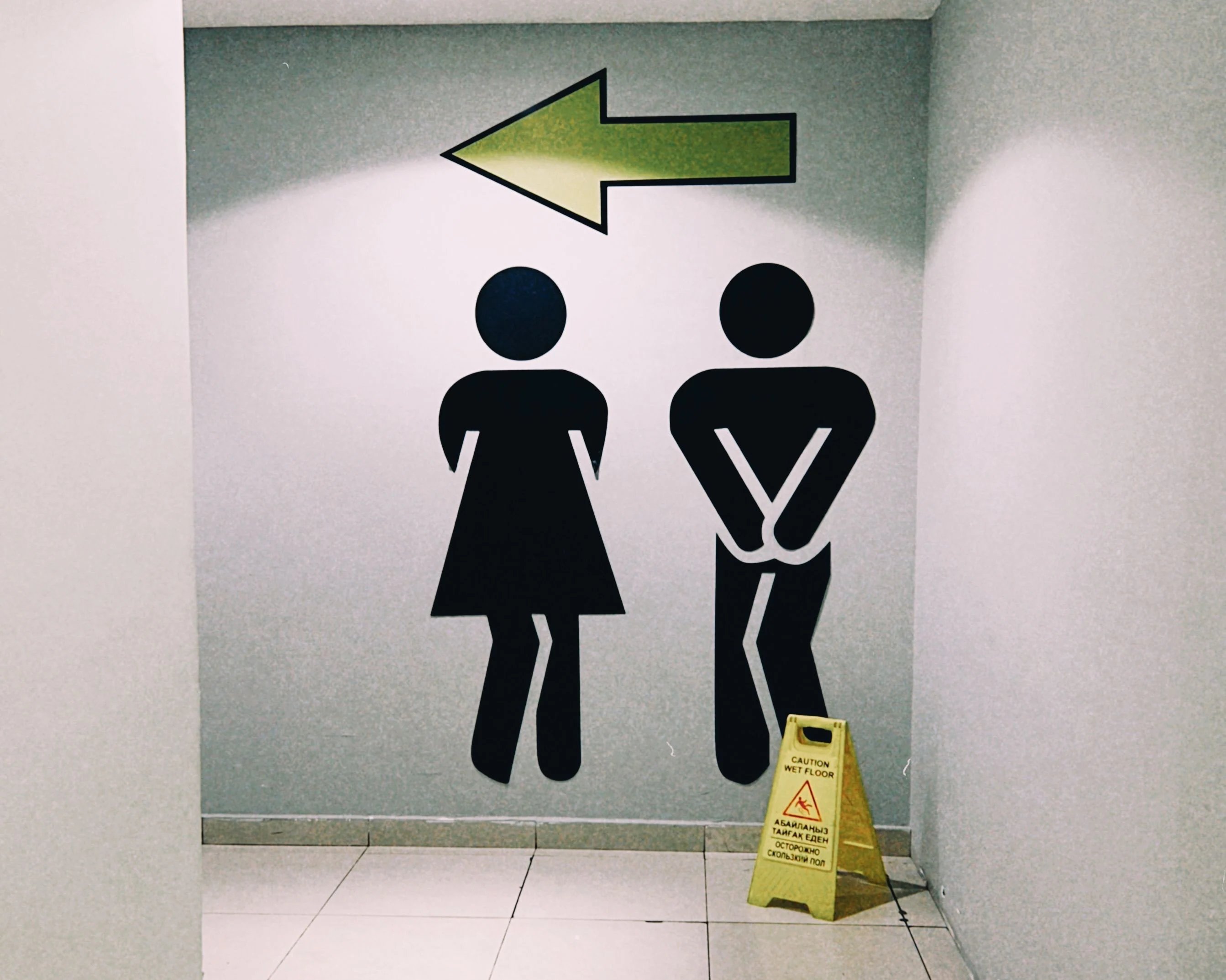
AUCKLAND — More than 300 logistics workers across New Zealand's largest retail enterprise walked off distribution floors in Auckland and Christchurch this week, triggering a bitter industrial standoff over algorithmic workplace surveillance.
Picketers at The Warehouse Group accused management of deploying automated tracking systems so punitive that staff suffered humiliating physical accidents in facility aisles while attempting to avoid disciplinary reprimands. Company executives swiftly rejected the charges. But union leaders insist the dispute exposes an escalating push by corporate brass to enforce machine-driven productivity metrics at the direct expense of basic human dignity.
Labor tensions had festered behind closed doors for nearly a year.
According to union organiser Hayley Courtney, distribution centre supervisors spent the past eight months trailing staff members to facility restrooms, issuing formal rebukes to employees whose personal breaks exceeded rigid digital thresholds.
Courtney stated that workers faced mounting intimidation as automated systems logged away-from-bench time, forcing several employees to delay essential bodily functions rather than risk managerial penalties. The pressure repeatedly breached breaking point on the warehouse floor.
"Having supervisors and managers follow people to the toilet and telling them off for a fundamental right is absolutely ludicrous," Courtney stated. "We'd been finding things on the floor. It did stop once I put my foot down, but there were accidents on the floor; we don't know who it was or anything. Obviously, it's very humiliating if you're forced into that position, but there were multiple occasions where this occurred."
The union clarified that logistics crews do not oppose automated technology that boosts operational throughput. Yet the abrupt arrival of heavy machinery—including a massive stock-picking robot alongside automated inventory drones that displaced human cycle-counters—stoked acute panic over job security and managerial oversight.
The Warehouse Group forcefully pushed back against the claims, declaring executive leadership shocked and appalled by the allegations.
Chief People Officer Richard Parker maintained that the retail conglomerate does not deploy artificial intelligence to monitor personal hygiene or track restroom intervals, arguing that critics mischaracterized standard industrial barcode scanners.
We use technology, which is not AI as claimed, that has been commonly used in distribution centres around the world for decades to monitor efficiency through scanning devices. It has nothing to do with bathroom use.
Richard Parker, Chief People Officer, The Warehouse Group
Parker defended the deployment of automated systems, arguing that aerial drones handle tedious physical counts while shielding workers from dangerous overnight operations in high-bay racking machinery. Automated scanning, he argued, improves stock verification speed and protects human operators from severe fall hazards.
| Dispute Parameter | Union Position (Workers) | Corporate Position (The Warehouse Group) |
|---|---|---|
| Core Surveillance Claim | AI algorithms track bathroom durations | Handheld scanning monitors freight efficiency, not restrooms |
| Floor Incidents | Multiple accidents caused by staff delaying breaks | Management denies claims; expressed shock at allegations |
| Drone & Robot Deployment | Machines actively displace physical inventory staff | Drones eliminate dangerous night work at extreme heights |
| Workforce Future | Demands binding job security guarantees | Retraining and redeployment offered; no guarantees on roles |
Corporate leadership conceded that while no commercial enterprise can guarantee permanent job descriptions amid technological modernization, the company committed to formal staff consultations alongside internal retraining and redeployment initiatives as distribution operations continue to evolve.