The 16-article Mecca Joint Defence Agreement is not a loose handshake; it is a decade-long cage. Article 16 explicitly binds Pakistan, Saudi Arabia, and Turkey for a minimum of 10 years after the final instrument of ratification is deposited with the alliance's secretariat. No member can walk away without providing three months' written notice. The clock doesn't start at the signing ceremony—it starts when the legal paperwork clears. This creates a rigid structural commitment that few regional pacts have matched in recent decades.
The operational trigger is blunt. Article 2 states that if any party faces armed attack or military aggression, the other two must immediately provide assistance using the full range of mutual measures available. There is no automatic, one-size-fits-all military response. The scale of aid depends on the attacked nation's specific requirements and the allies' available resources. This ambiguity grants the three governments significant discretion in how they define 'assistance' during a crisis. For now, that discretion is being squeezed by the ongoing Houthi missile and drone strikes on Saudi soil.
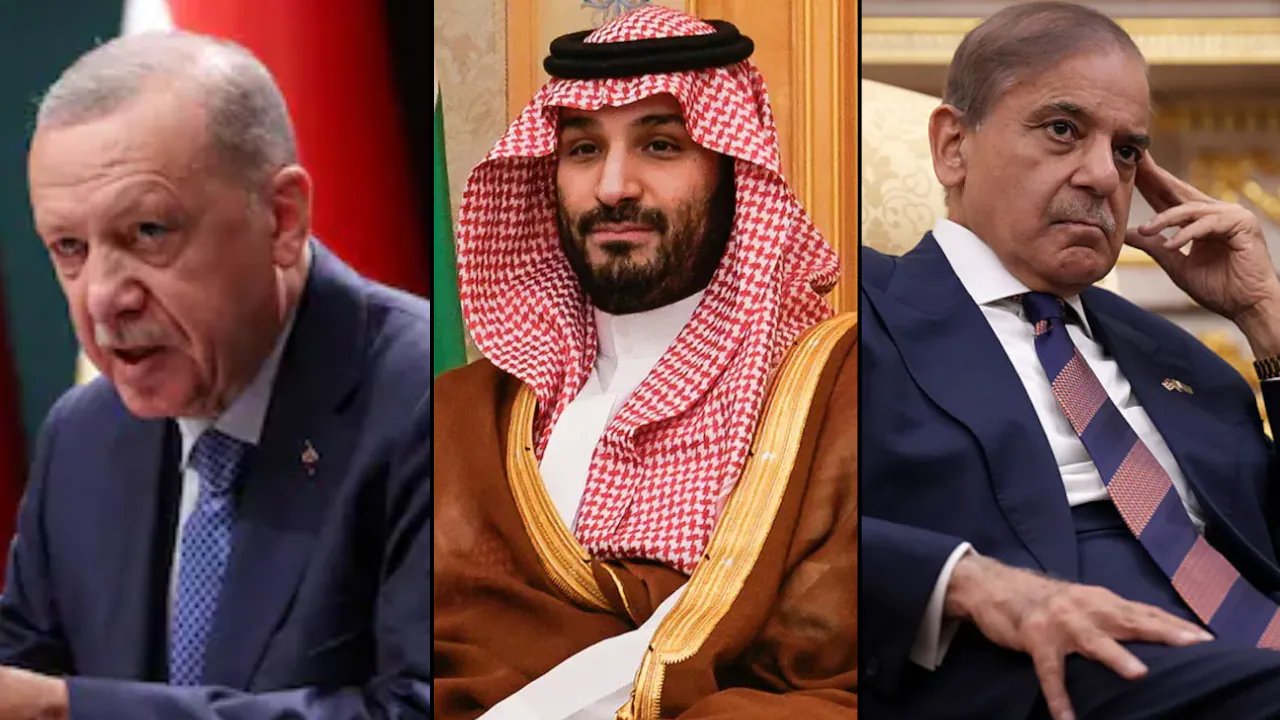
Ankara is moving fast to formalize this commitment. Three parliamentary sources told Reuters on Tuesday that Turkey has submitted the agreement to its parliament for ratification. President Recep Tayyip Erdogan, alongside Saudi Crown Prince Mohammed bin Salman and Pakistani Prime Minister Shehbaz Sharif, signed the deal in Mecca on August 7. The central principle remains unshakeable: an attack on one is an attack on all. But the implementation is where the friction lies. Foreign Minister Hakan Fidan has clarified that the pact is strictly defensive. Turkey will provide military equipment, intelligence, and weapons systems, but he explicitly ruled out sending troops into another country to carry out offensive attacks.
Pakistan’s stance is equally firm, if less specific. Lt Gen Ahmed Sharif Chaudhry, the military spokesperson, told Independent Arabia on Sunday that protecting Saudi Arabia’s sovereignty and holy sites is "paramount" and "non-negotiable" for Islamabad. He confirmed Pakistan is providing "whatever support is needed" but refused to specify the nature or extent of that assistance. In an emergency meeting in Riyadh earlier this month, the trio agreed to ensure the rapid deployment of military forces and capabilities to the kingdom. The absence of detailed public specifications leaves the alliance's true depth unclear, but the 10-year lock-in suggests these are not temporary arrangements.
The next critical step is the Turkish parliamentary vote. Once ratified, the 10-year countdown begins, effectively removing the option of a quick diplomatic exit for any of the three signatories. As Houthi aggression continues, the alliance will face its first real-world test of whether 'mutual assistance' translates to boots on the ground or just radar screens and diplomatic cables.