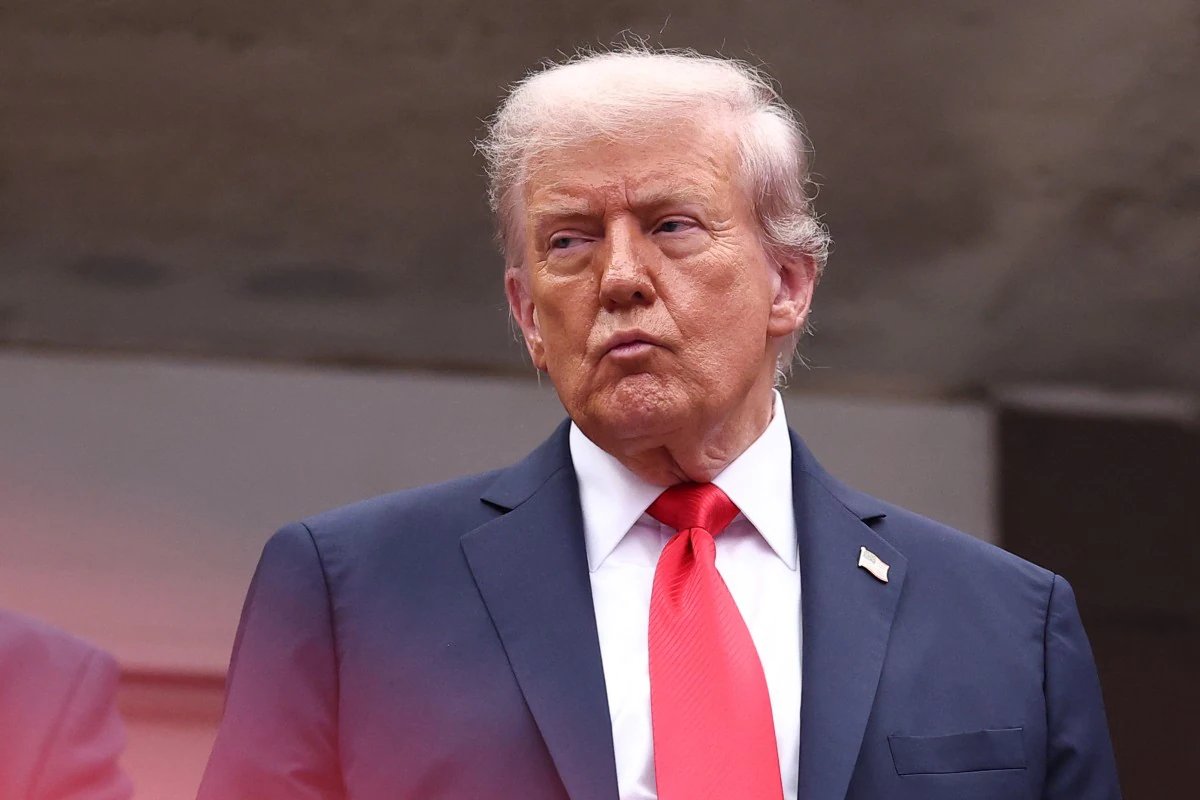
The silence was deafening. For the first time in modern broadcast history, the Big Five—ABC, CBS, CNN, Fox, and NBC—jointly refused to provide the 'pool' feed for a presidential event. They halted coverage of Donald Trump’s Monday appearance at the United Nations General Assembly in New York. No cameras. No live feed. Just a blank screen for millions of viewers who expected to see the 80-year-old Republican address global leaders.
This was not a spontaneous glitch. It was a calculated strike. The broadcasters acted in direct solidarity with CNN, MS NOW, and Politico, whose press passes were confiscated on Saturday without notice. Trump announced the ban on Friday, claiming the outlets were 'diminishing' Republicans through 'cumulative stories.' He offered no specific examples, but his administration reportedly acted after aide Natalie Harp showed him clips of critical coverage. The move stunned even members of Trump’s own inner circle.
The legal fight is already underway. CNN and MS NOW filed a lawsuit seeking an immediate injunction, arguing the ban violates the First Amendment. 'This ban could not be a more direct assault on the First Amendment,' the organizations stated in their court filing. Trump, unfazed, doubled down on his rhetoric. On Truth Social, he branded the media a 'cancer' and a national security threat. 'It is instituting an assault on the FAKE NEWS,' he wrote, dismissing the idea that he was attacking the free press.
Vice President JD Vance, who once worked as a CNN commentator, defended the move. He told reporters that the banned outlets still had free speech; they just didn’t have an office in the White House anymore. 'They're just not going to get an office in the White House anymore,' Vance said, dismissing the legal challenge as an overreaction. But the financial and reputational stakes are high. Without pool coverage, other networks lose access to the President’s key moments, creating a vacuum in independent reporting.
The court will now decide the next steps. A ruling is expected in the coming days, potentially setting a precedent for executive power over media access. If the ban stands, Trump has signaled other outlets could follow. The public, left without a live feed, is forced to rely on social media clips and written reports—a significant shift in how Americans consume presidential news.