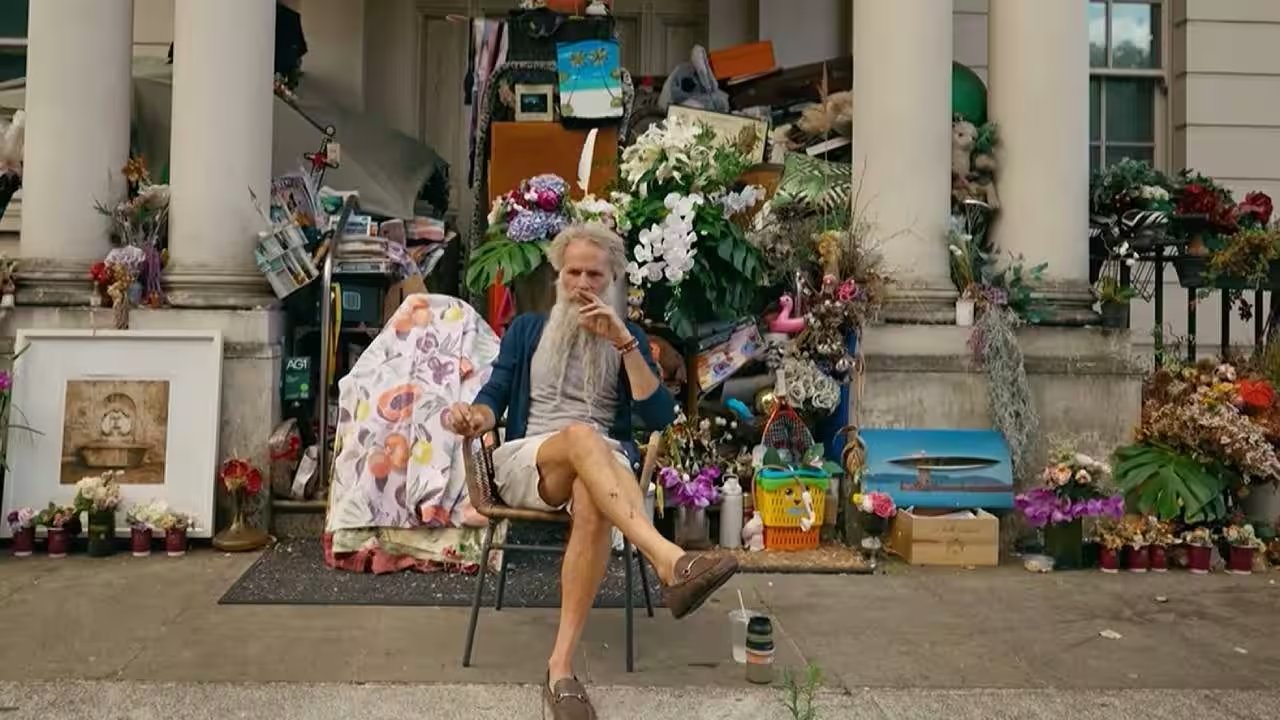
Anders Fernstedt sleeps seven layers of Hungarian down against a backdrop of marble bathrooms and an indoor pool. He has camped outside the 45-room mansion at 2 to 8A Rutland Gate, Knightsbridge, for 3.5 years. The property, which sold for £210 million in 2020, has sat empty since the buyer never moved in.
Fernstedt, originally from Sweden, worked in the tech sector and later as a journalist and fact-checker in the UK. His savings from a US tech equity stake ran dry around the 2020 pandemic, forcing him into homelessness. "I slowly got used to frugality that I didn't even notice when I stopped having money," he told DW Euromaxx. He initially sought shelter for one night but stayed.
His survival strategy relies on a network of charity support and neighborly goodwill. He accesses showers and food through a charity near Victoria and receives donations like clothes and an Italian dinner jacket from residents. He uses portable power banks to charge his devices, remaining largely disconnected from the cash economy. He describes his shelter as a modern yurt, carefully organized to withstand London winters.
Some residents view him as a deterrent to theft, while others simply accept his quiet presence. Fernstedt has cultivated relationships with local children and grandchildren to ease his integration. The feature confirms he has no formal legal right to occupy the space, yet he remains. The mansion’s owner has not commented on the arrangement.
The situation highlights the extreme disparities in London’s housing market. While the mansion remains a trophy asset, Fernstedt’s presence challenges the narrative of the neighborhood's exclusivity. No immediate legal action has been reported against him. He continues to live outside the property, waiting for the next season.