At a sunlit cafe inside Delhi's Talkatora Garden, Siddharth strolls in with his almost-girlfriend and poses an ordinary question to the waiter: what is good here?
"Mahaul achha hai," the waiter deadpans. The atmosphere is good.
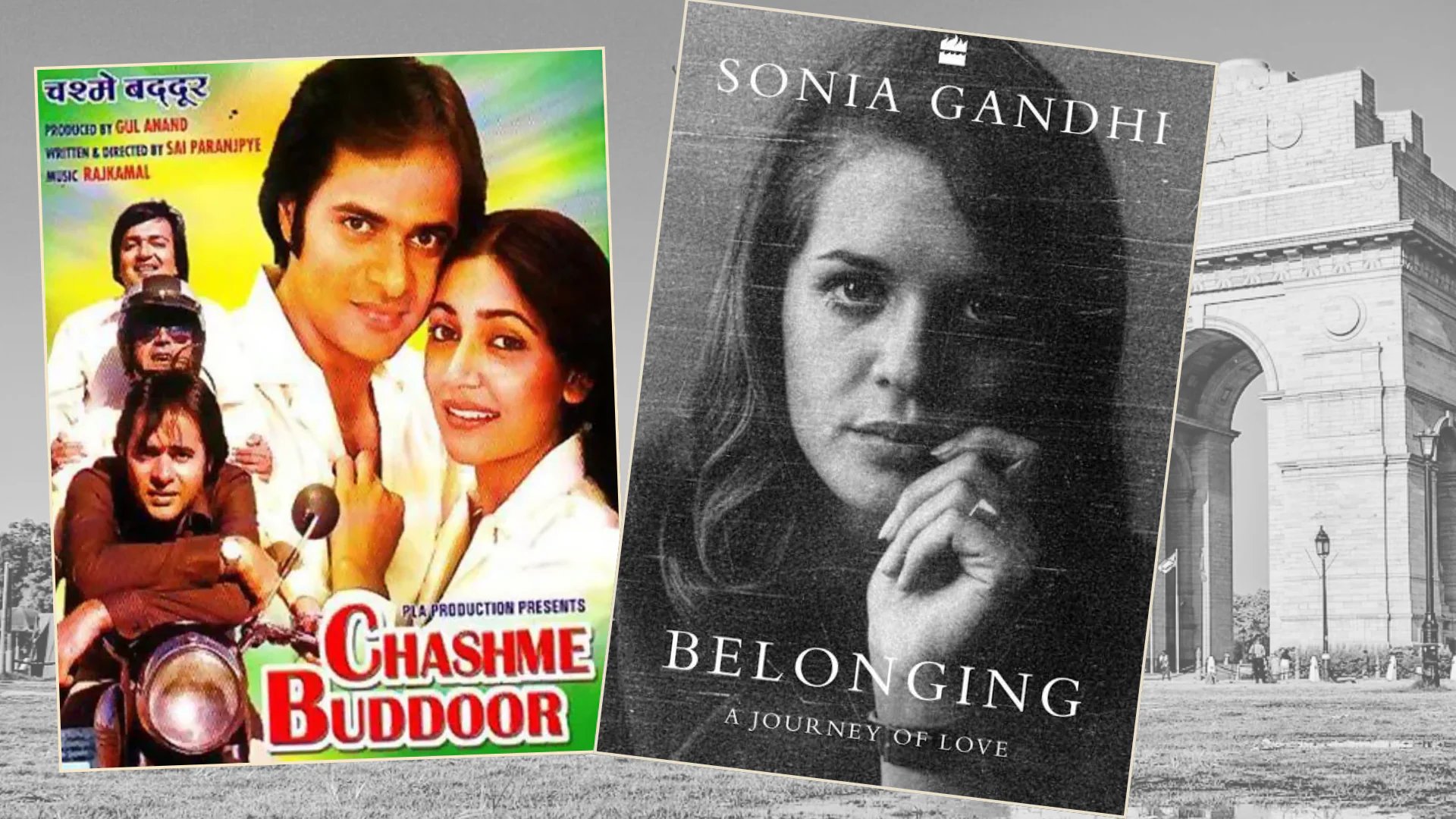
That single dry quip captures an entire era. In Sai Paranjpye's 1981 comedy 'Chashme Buddoor' and in Sonia Gandhi's retrospective reflections in 'Belonging', the capital is not mere background wallpaper. It is a breathing, loitering character. Both works preserve an unhurried urban sprawl — broad avenue roundabouts, unpretentious coffee spots, and green expanses — before concrete and high-strung rush overtook the city.
Entertainment desk veteran and actor Rakesh Bedi, who immortalised the carefree, broke student life of that period on screen, views this storytelling spirit as essential to holding an audience. For Bedi, substance means nothing if the craft cannot hold eyes to the stage.
Whatever I want to communicate through my plays must have an element of entertainment," Bedi said.
The philosophy explains why that vintage Delhi dynamic refuses to date. The jokes land because the streets, the conversations, and the languid cafe counters felt authentic to the people who walked them.