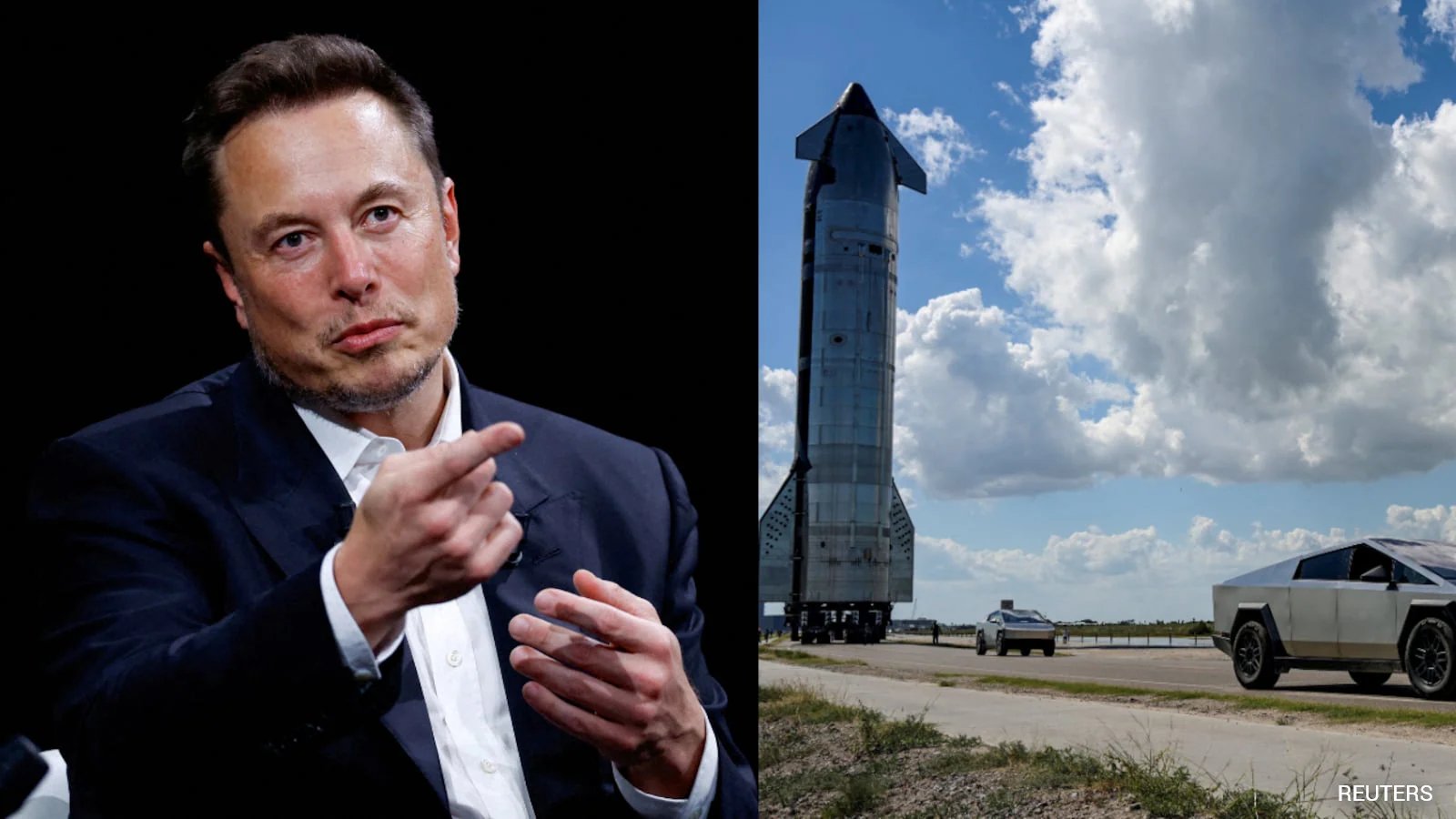
Elon Musk’s announcement on Thursday that SpaceX and Tesla are exploring a $3.5 trillion merger rattled insiders, who warn that the public disclosure may invite shareholder scrutiny and delay the deal by weeks. Musk said the two companies had formed special committees to evaluate the transaction, and that he would be recused due to his conflict of interest. The merger could become the largest corporate deal ever, eclipsing the $2.6 trillion Berkshire Hathaway‑Berkshire merger of 2025.
The SolarCity episode still looms. In 2016 Tesla’s acquisition of SolarCity triggered a decade‑long lawsuit that culminated in a $60 million settlement. Eric Talley, a law professor at Columbia University, noted that the SolarCity case highlighted the importance of an independent committee and that Texas law might change the legal landscape for the new merger. “The Texas factor is a wild card,” Talley said, “and it could alter how a court views a conflicted director’s influence.”
SpaceX has approached Tesla in recent weeks, and the two sides are exploring multiple structures, including a SpaceX takeover of Tesla or a merger under a newly formed holding company. Both parties are weighing an all‑stock deal, and advisers have been retained by each side. A senior Tesla executive, who requested anonymity, said the committees are still in the early analysis phase and that no definitive structure has been chosen yet.
Musk owns roughly 22% of Tesla and just under 50% of SpaceX, a combination that would give him controlling interest in the combined entity. He reiterated that he cannot participate in the committees’ deliberations, and his lawyers are ensuring his recusal is documented. A 32‑year‑old Tesla production line worker in Fremont, who has been with the company for eight years, said he worries that Musk’s involvement could “tilt the scale” against ordinary shareholders.
Both companies have hired legal and financial advisers, and the special committees are expected to present a formal proposal to shareholders by the end of next month. If shareholder resistance mounts, the deal could stall, pushing the completion date beyond the projected Q4 2027 deadline. The next week will likely see a formal filing with the SEC, setting the stage for a possible vote at Tesla’s annual meeting.