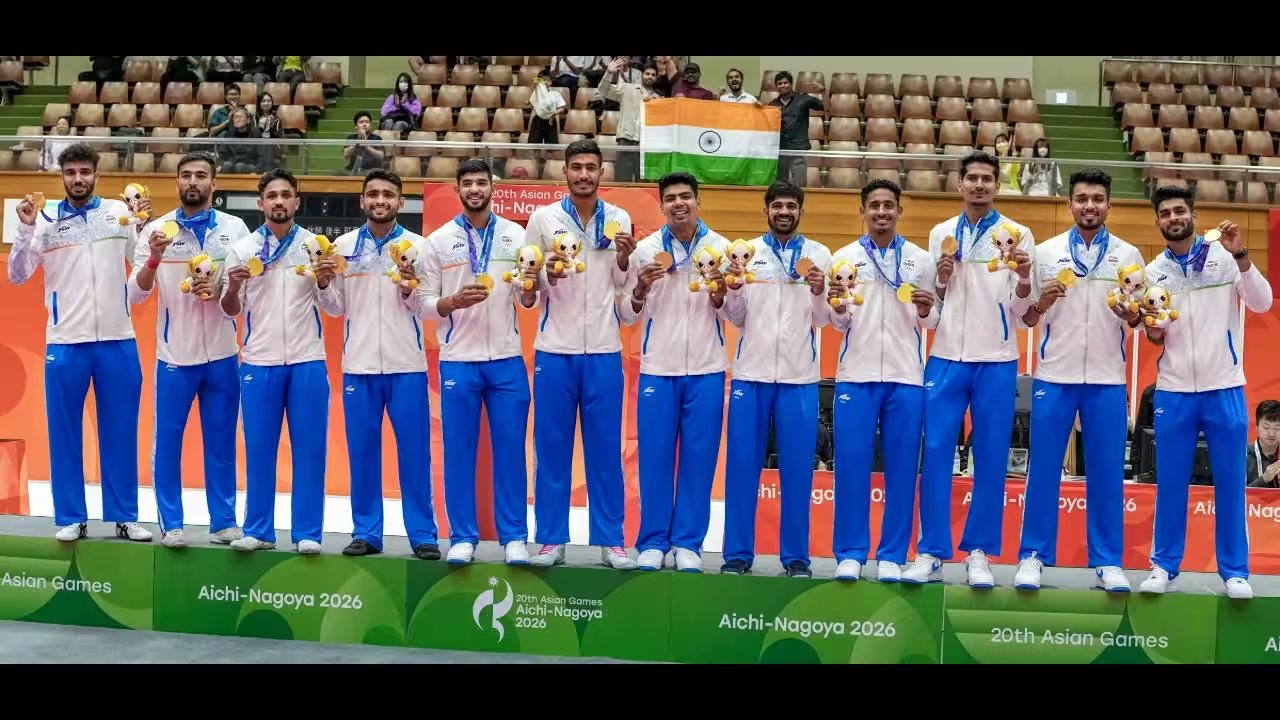
Indian gold medallists at the Asian Games will each receive ₹30 lakh in cash awards.
The Ministry of Youth Affairs and Sports rolled out the “Special Awards to Medal Winners in International Sports Events” scheme, a policy that has been tweaked since 1986 to keep pace with the growing stature of Indian sports. Under the current rules, a bronze medal nets ₹10 lakh, silver ₹20 lakh, while the top prize—gold—carries a hefty ₹30 lakh.
For team events the math gets trickier. The award multiplies with the squad size: a two‑man crew gets 1.5× the individual figure, three or four teams double it, five to ten members triple it, and squads over ten can rack up five times the base amount. The final sum is split evenly among all players, but no one can walk away with less than 50% of the baseline.
The scheme also lets athletes pocket money for each medal they win, not just the highest placed one—a clause that applies to all Asian Games, Commonwealth and Olympic events. This means a swimmer who grabs both a silver in the 200m freestyle and a bronze in the 4×100m medley could walk out with ₹30 lakh plus ₹10 lakh, provided the team rules allow it.
Beyond cash, medalists may qualify for sports‑quota jobs at the central level, typically Group C or former Group D posts, and many states have their own recruitment drives. While a medal doesn’t guarantee a government job outright, it opens doors that were previously closed to most athletes.
With the Asian Games now over, the next big hurdle for India’s medal hopefuls is the Paris Olympics, where the same cash incentives—up to ₹75 lakh for an Olympic gold—could sweeten the deal further.