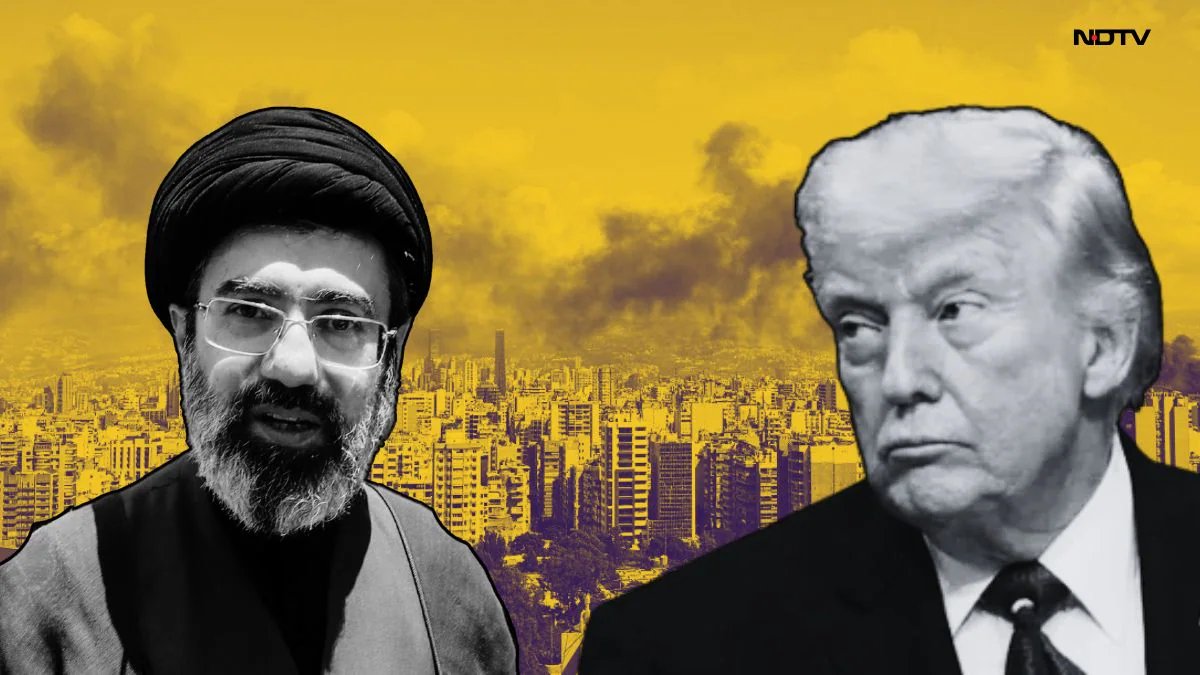
Mohsen Rezaei, Iran’s Secretary of the Supreme National Security Council, told state media on Sunday that the United States had offered an "insufficient" reply to Tehran’s seven‑condition proposal to reopen the Strait of Hormuz. He said the U.S. had accepted some conditions but left others unclear, and added that Tehran would no longer respond to American communications.
The proposal, presented at the UN General Assembly earlier this month, promised a seven‑day window for restoring normal maritime traffic if the conditions were met. Tehran’s conditions included a guarantee that the Strait would not be opened to the United States, and a cessation of U.S. and Israeli military actions in the region. The U.S. response was communicated through Qatari intermediaries, but Rezaei said the offer fell short.
Earlier in September, Tehran announced receipt of a U.S. reply following President Donald Trump’s public rejection of the plan. The U.S. has not yet issued a formal statement on the latest exchange. Rezaei’s remarks have come amid growing tension as the strait remains closed, affecting global oil flows.
The Strait of Hormuz accounts for roughly 5 % of the world’s oil and LNG shipments, and its closure has already pushed tanker insurance premiums higher. Shipping companies are rerouting vessels around the Cape of Good Hope, adding weeks to delivery times.
Rezaei warned that until all seven conditions were satisfied, Iran would keep the Strait closed and would not engage in further dialogue with Washington.