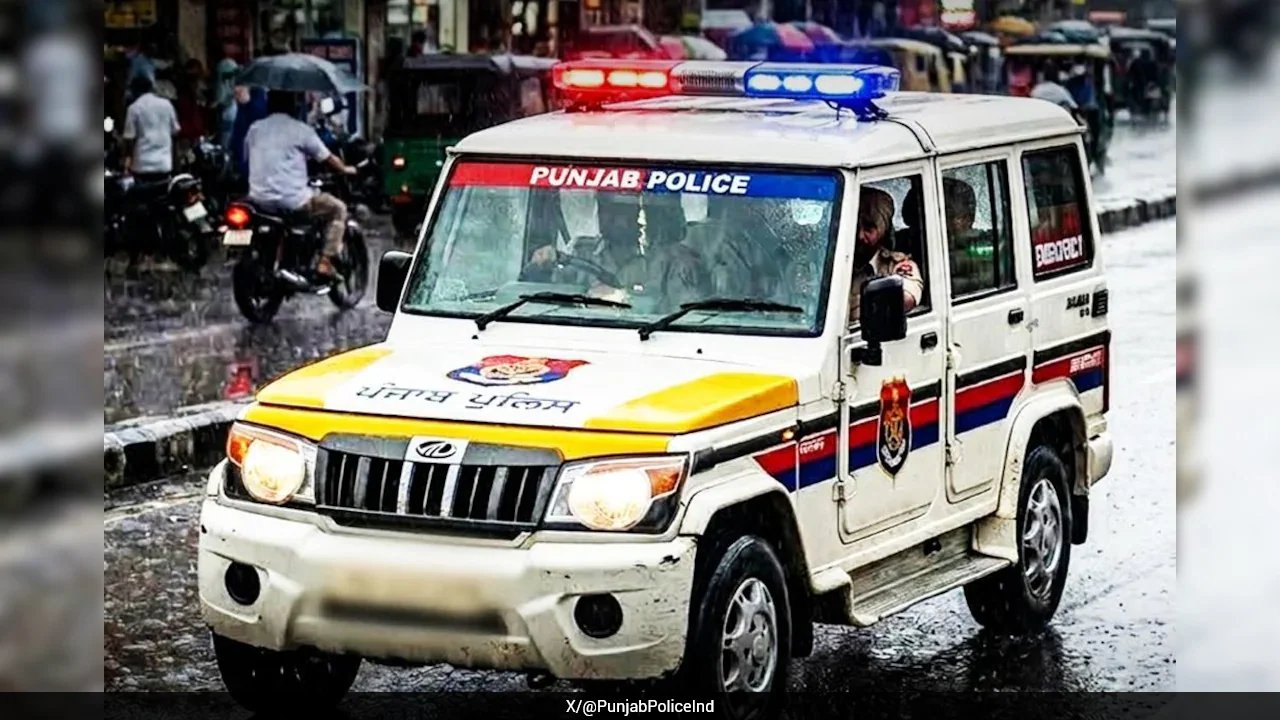
The state’s law-and-order narrative has shifted from routine policing to a counter-insurgency-style operation. Between July and early October, Punjab Police dismantled multiple hubs, seizing an arsenal that includes AK-47s, an AK-56, MP-9 rifles, and dozens of high-end pistols. These are not the old .303 rifles found in rural hideouts; they are military-grade weaponry, many traced to cross-border smuggling routes. The sheer volume—over 70 firearms and multiple grenades—suggests an organized pipeline feeding a violent undercurrent in the state.
This hardware has a user. The last three months saw a grim string of assassinations targeting local political infrastructure. AAP sarpanch Satpal Singh was attacked and run over in Hoshiarpur in July. In August, AAP worker Gurpreet Singh was shot dead in Ferozepur. The pattern continued in September with the murder of AAP sarpanch Kuljit Singh Sandhu in Ajnala. By late October, the violence had expanded to include SAD-linked leader Navpreet Singh in Tarn Taran and former Akali sarpanch Navtej Singh in Ludhiana. While police investigations often cite property disputes or personal rivalries, the method—motorcycle-borne assailants with precision fire—points to professional killers.
The state’s own force is bleeding. On September 18, Constable Harjit Singh was gunned down by bikers near the Bhagtanwala grain market in Amritsar. He was on night patrol. This incident, alongside the earlier killings of officers Gurnam Singh and Joga Singh in 2026, signals that those tasked with maintaining order are themselves targets. The security apparatus is stretched thin, fighting a war on two fronts: dismantling the arms networks and protecting a political class that is increasingly vulnerable.
The timing is no accident. With the 2027 assembly elections on the horizon, the local political ecosystem—reliant on sarpanches and village-level workers—is facing an existential threat. Union Home Minister Amit Shah’s recent rallies in the state underscore the central government’s awareness of the fraying security situation. The recovery of 3 kg of heroin alongside the weapons on September 30 further indicates the entanglement of narcotics and arms trafficking.
The next phase of the crackdown will likely focus on the cross-border node in the Faridkot and Amritsar sectors. Intelligence agencies are expected to tighten the net around the specific networks that supplied the AK-series rifles. For the political parties, the message is clear: the ground game is getting deadlier, and the cost of local mobilization is rising sharply.