The draft‑stage review has identified 13.39 crore entries flagged for deletion, the bulk of which are voters marked as permanently shifted (6.30 crore), absent or untraceable (3.01 crore), deceased (2.80 crore), duplicates (1.02 crore) and an additional 26 lakh in the “others” category. These figures span 95.40 crore electors across Bihar, 31 states and Union Territories, with the Commission noting that the numbers are provisional and subject to the claims‑and‑objections process.
Phase III, now underway in 19 states and the capital, covers 36.51 crore electors. Within this phase, 1.52 crore voters are absent or untraceable, 2.89 crore are permanently shifted, 1.11 crore are deceased and 51 lakh duplicates have been flagged, amounting to 98.06% of all flagged cases.
The exercise has sparked a sustained protest from opposition leaders, who argue that the methodology risks excluding legitimate voters, particularly migrants, the poor and other vulnerable groups. They have called for an immediate halt to the revision and have threatened legal action if the rolls are not revised.
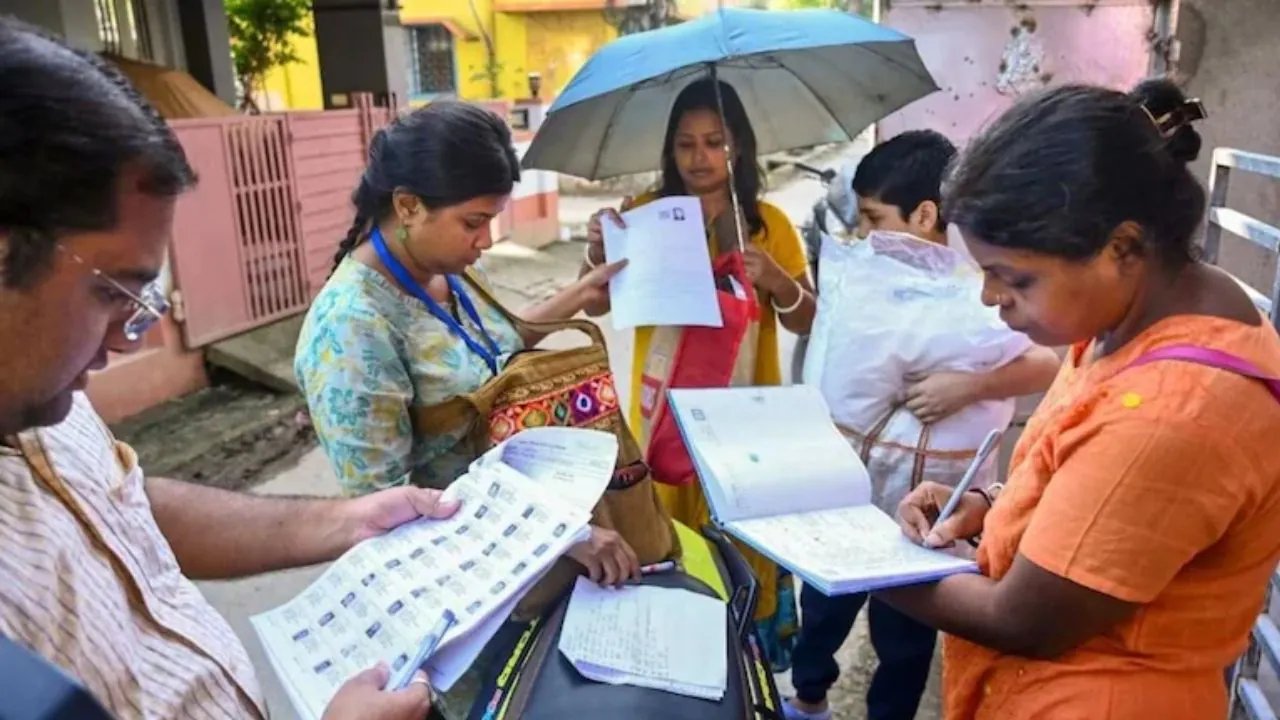
The Election Commission has reiterated that the draft figures are not final and that the claims‑and‑objections process offers a safeguard against wrongful exclusion. In addition, the Commission is conducting house‑to‑house verification and special drives to add missing names, especially among first‑time voters and those in night shelters or labour camps.
The Commission plans to review all objections received before finalising the rolls, with the next phase of verification to continue throughout the rest of 2026, while opposition parties seek a court‑ordered pause on the exercise.