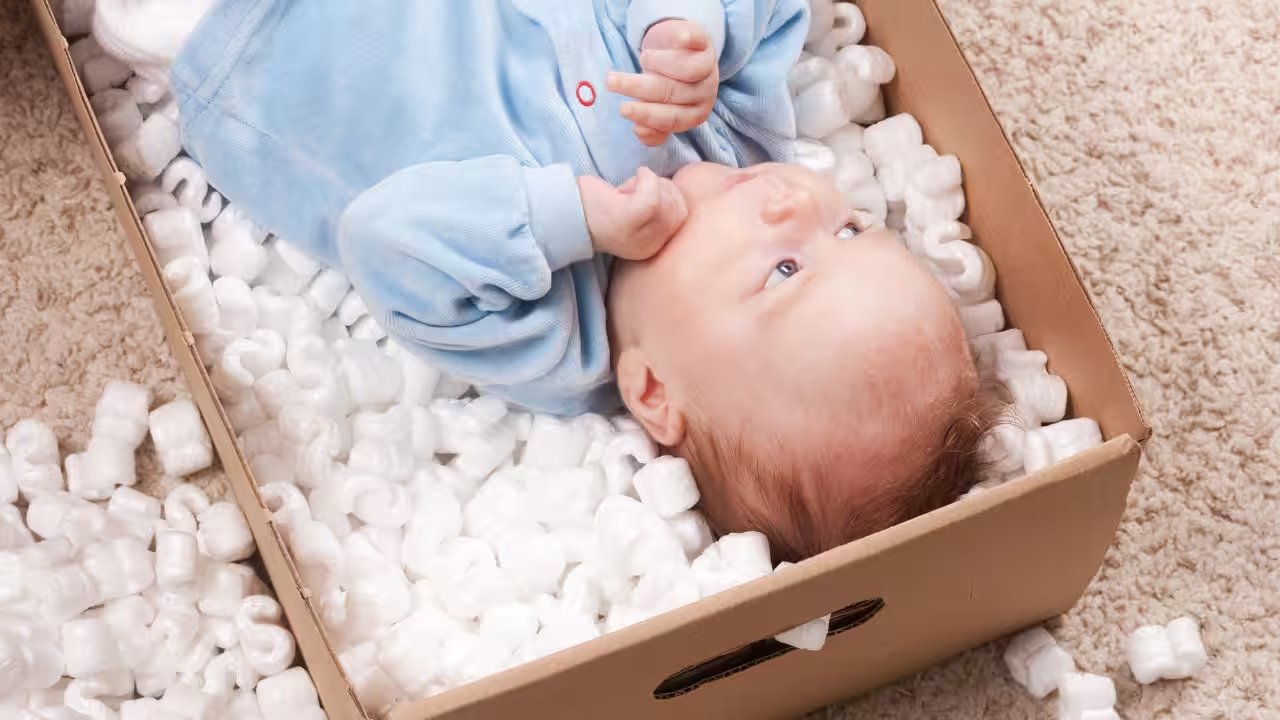
In January 1913, Jesse and Mathilda Beagle of Ohio paid 15 cents to ship their 11-pound infant son, James, to his grandmother in Batavia. The couple handed the eight-month-old over to a mail carrier instead of buying a train ticket, a decision driven by the high cost of travel in rural America. James was insured for $50 and narrowly met the weight limit for parcels under the new Postal Service rules.
This wasn't an isolated stunt. When the US Postal Service launched Parcel Post on January 1, 1913, regulations on what could be mailed were vague. Historians at the Smithsonian's National Postal Museum identified approximately seven instances between 1913 and 1915 where children were sent through the mail. The practice exploited a system designed for eggs and bricks, not infants, but rural families saw a cheap alternative to expensive train fares.
The most famous case involved six-year-old May Pierstorff from Grangeville, Idaho. On February 19, 1914, her parents paid 53 cents to send her 73 miles to her grandparents via railway mail. May traveled with a relative who worked as a Railway Mail Service clerk, a detail that made the journey safer. Her story later inspired the children's book Mailing May.
Postmaster General Albert S. Burleson acted quickly after May's journey. He formally prohibited postal workers from accepting human beings as mail in 1914. Despite the ban, a woman in Florida managed to send her six-year-old daughter 720 miles to Virginia in 1915 for just 15 cents. The longest known instance, it highlighted how difficult it was to enforce the new restrictions across the vast rural network.
The last recorded success occurred in August 1915, when three-year-old Maud Smith traveled 40 miles across Kentucky to visit her sick mother. The incident prompted an investigation by John Clark, superintendent of the Cincinnati division of the Railway Mail Service, who questioned how the local postmaster in Caney, Kentucky, allowed the child to board. By June 1920, First Assistant Postmaster General John C. Koons finally put the practice to rest, clarifying that children could not be classified as harmless live animals.