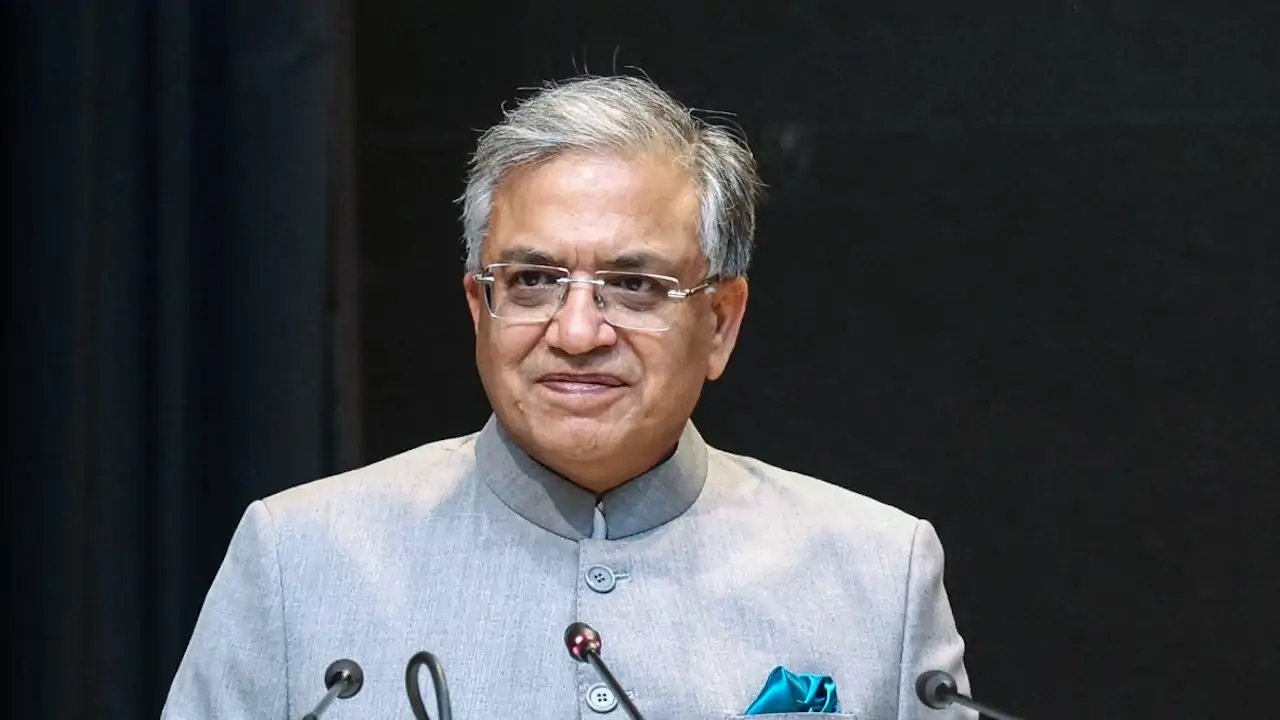
Congress leaders filed the motion on the House floor, citing Kumar’s refusal to support the National Infrastructure Bill’s amendment clause.
Gyanesh Kumar, a senior MP from Uttar Pradesh, had publicly opposed the bill’s clause on toll road concessions, sparking a rift within the party. The motion’s proponents argue that his dissent undermines party discipline and national interests.
Prime Minister Narendra Modi’s office declined to comment, but the Home Minister, Amit Shah, warned that the motion could set a dangerous precedent for parliamentary conduct. Former Speaker Om Birla said the impeachment process must follow constitutional safeguards.
Historically, India has seen only one impeachment motion in Parliament, against a chief minister, and it failed to secure the required two-thirds majority. The current motion’s success hinges on garnering support from at least 50% of the 543-seat house.
The next stage will be a debate scheduled for March 15, 2026, with the final vote slated for March 18. The opposition will use the hearings to press for stricter party discipline laws.