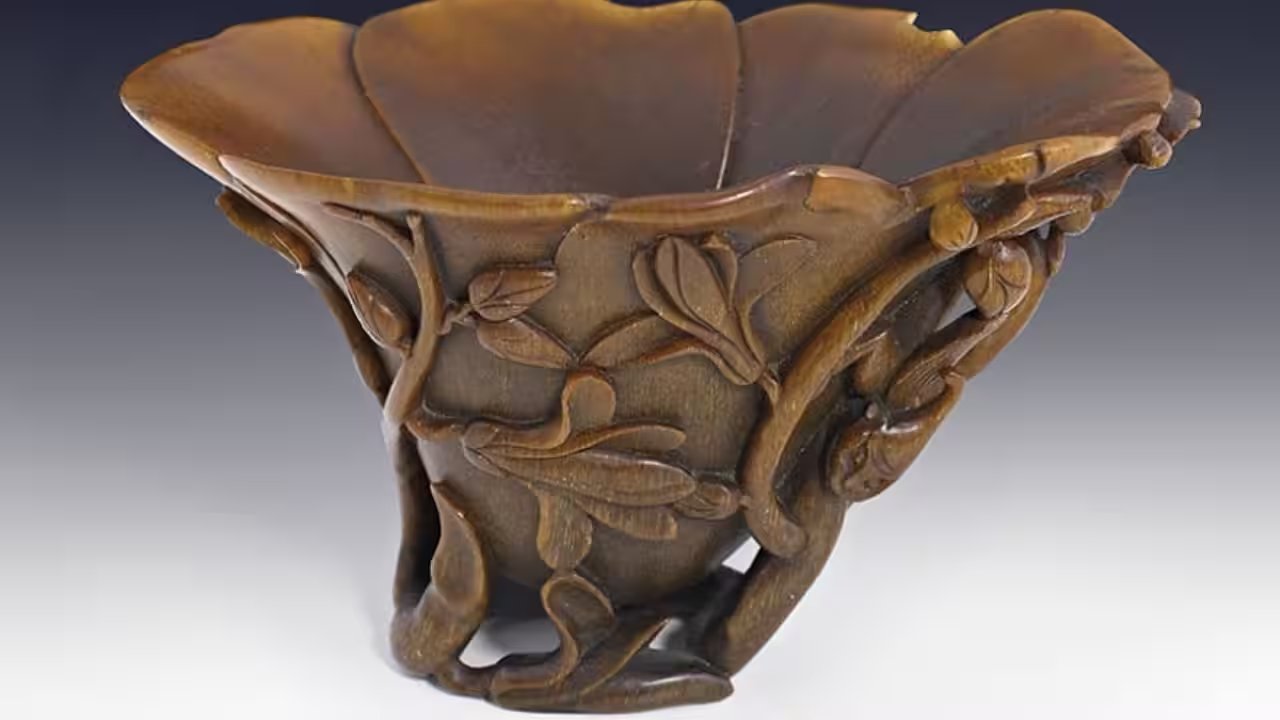
A man in Marrickville’s bustling thrift shop spotted a chipped cup on a low‑priced shelf. He bought it for A$4 and later snapped photographs for Ann Roberts, a Sotheby's consultant who specializes in Asian art. The cup, a 17th‑century Chinese libation vessel carved from rhinoceros horn, was catalogued as a ‘Magnolia and Prunus’ piece.
Roberts immediately recognized its rarity. She estimated a pre‑sale range of A$20,000 to A$30,000, noting that such items are hard to spot in second‑hand stores. Her assessment set the stage for a record‑setting auction.
Sotheby's Australia auctioned the cup in 2013, hammer falling at A$62,000. With buyer’s premium included, the final price rose to A$75,640—more than double Roberts’ estimate and 15,500 times the original retail cost.
The buyer, still anonymous, reacted with disbelief and excitement. The sale highlighted the hidden value that can lurk in thrift‑shop aisles, while also reminding collectors of the strict CITES licences required for exporting rhinoceros horn artifacts. The auction’s success has sparked renewed interest in overlooked antiques across Australia’s resale market.