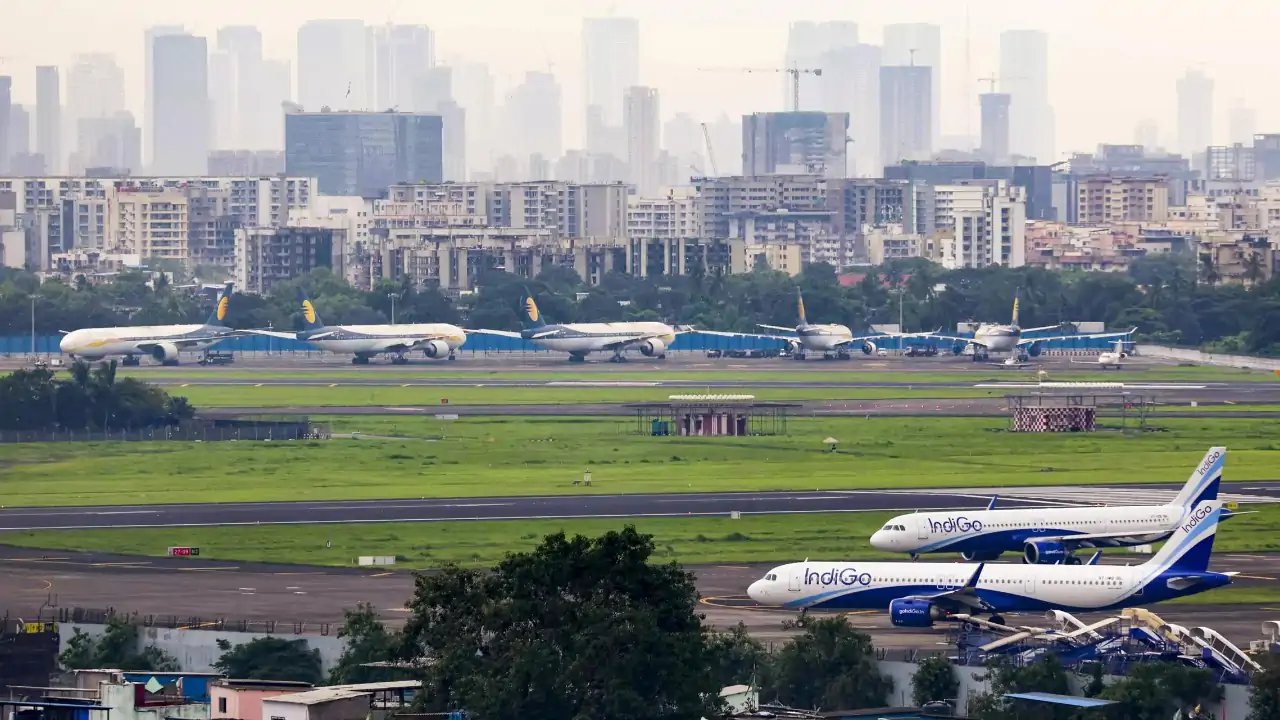
The hammer is ready. CSMIA has finalized the Summer 2027 slot allocation, effectively kicking 12 international carriers out of Mumbai's primary hub. These airlines, which currently operate 16 daily departures to 14 destinations, will be forced to relocate their operations to the upcoming Navi Mumbai International Airport (NMIA) by the end of March 2027. This isn't a voluntary choice; it's a logistical necessity to make space for the physical dismantling of Terminal 1.
The arithmetic is stark. Of the 50 international airlines operating out of CSMIA, only 38 secured slots for the upcoming summer schedule. The remaining 12 are the ones getting the boot. Sources close to the airport operator confirm that this destination-based allocation was designed to keep 91% of existing traffic capacity intact while creating the operational vacuum needed for construction. It’s a surgical strike on the airport’s layout, not a collapse.
This international shakeup follows a similar domestic exodus. IndiGo, Air India, and Akasa Air already announced last week that they are shifting flights to 14 destinations to NMIA. Between the international and domestic shifts, roughly five million passengers will migrate to the Navi Mumbai facility annually. For a traveler who has spent decades navigating the crowded T1, this means a longer bus ride or flight to a newer, less congested terminal on the other side of the harbor.
Why the rush? T1 is crumbling. Commissioned in 1964, the terminal was originally designed for 15 million passengers a year. Structural audits by Structwel in 2017 and IIT Bombay in 2024 both flagged serious concerns about the infrastructure’s integrity. The plan is to increase capacity to 20 million passengers per annum (MPPA), but that requires tearing the building down. Demolition starts in April 2027, just one month after the airlines vacate. The new, four-level extension is targeted to go live by March 2029.
Airlines are keeping their nerves steady. CSMIA has assured carriers that their historical slot allocations will remain protected and undisturbed during the transition. The goal is to ensure that while the building falls, the network doesn't. For now, the clock is ticking toward January 2027, when construction crews will first set foot on the site, and the old heart of Mumbai aviation will begin its final breath.