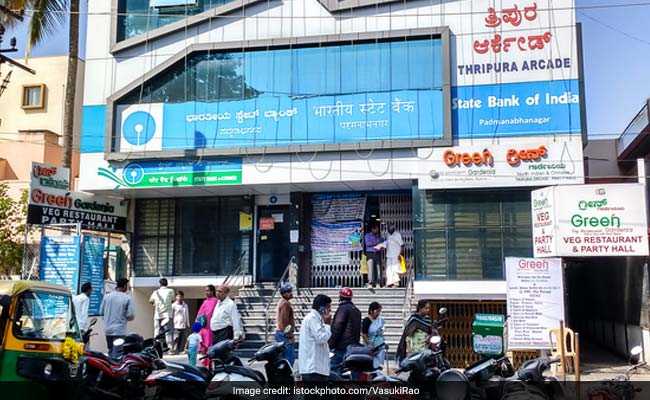
Indian banks will strike 28–30 September after the weekend, demanding a five‑day banking week— a move that will close most branch offices and push customers toward ATMs and digital services.
The strike follows the banks’ current schedule where staff enjoy holidays on the second and fourth Saturdays only, while the remaining Saturdays stay open. The half‑yearly closing of banks on 25–26 September has already put a strain on cash‑heavy businesses, and the new demand threatens to widen that gap.
Public‑sector banks and regional rural banks were asked to keep their branches open on Sunday 27 September, the day after the weekend, to cushion the blow. Yet the core of the strike remains: employees want Saturdays to become statutory holidays, a change that would reshape the banking calendar across the country.
Customers in cities like Delhi, Mumbai and Chennai will find that cash deposits by branch become impossible; only ATMs and the Automated Deposit and Withdrawal Machines (ADWMs) will process cash withdrawals and eligible deposits. In a small shop on the Lodi Road, owner Maya Singh said she had to postpone a rent payment because she couldn’t get a bank cheque issued on the strike day.
The Indian Banks Association has issued advisories urging customers to use mobile banking, UPI, and internet banking to avoid disruptions. The government is set to meet the banks’ leadership on 29 September to discuss the feasibility of the five‑day week. If no compromise emerges, the strike will end on 30 September, with branches reopening on 1 October.