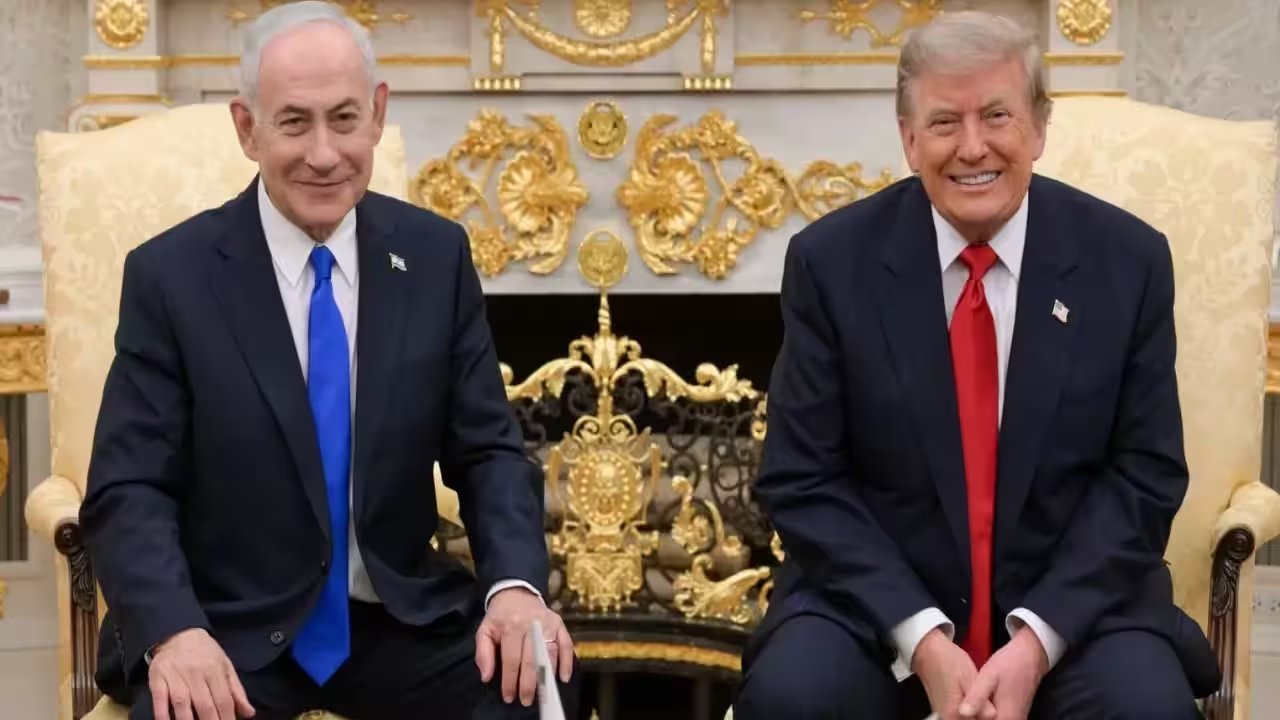
Netanyahu wants to drop the hammer. The Israeli prime minister spoke by phone with President Donald Trump on Saturday, pressing Washington to resume military operations against Tehran as soon as the US midterm elections conclude on Tuesday. An Israeli source described the call as "tough," while a US source called it "direct." The friction is palpable. Netanyahu sees a political window for immediate kinetic action; Trump wants to keep the diplomatic track open for now.
Trump’s posture remains contradictory. Speaking in Iowa on Sunday, he dismissed the urgency, claiming negotiations were "going fine" and that he was "not in much of a hurry." Yet he simultaneously kept the threat of a surgical strike alive. "We can do that in 10 minutes," Trump told reporters, referring to the suspected underground nuclear facility at Pickaxe Mountain. He added, "We need to take care of that. We can do that very quickly."
Diplomacy is limping along. US Vice President JD Vance sent a letter last week to Iran's national security chief, Mohsen Rezaei, the highest-level US outreach to Tehran in months. In Qatar, mediators met Iranian officials for a third straight day. Foreign Minister Abbas Araghchi said no agreement was reached, noting that progress hinges on Washington answering Tehran's specific questions. "We hope that the other side will demonstrate enough rationality to choose diplomacy over other paths," Araghchi said. He stressed that no direct talks were occurring, despite claims that a proposal could reopen the Strait of Hormuz within two days if conditions are met.
The next 72 hours will define the trajectory. With the US midterm elections looming, the clock is ticking for both diplomacy and the potential return to major combat operations. Trump’s parallel approach—negotiating while keeping the military option ready—leaves little room for error. If the diplomatic track fails, the "10-minute" strike on Pickaxe Mountain moves from threat to reality.