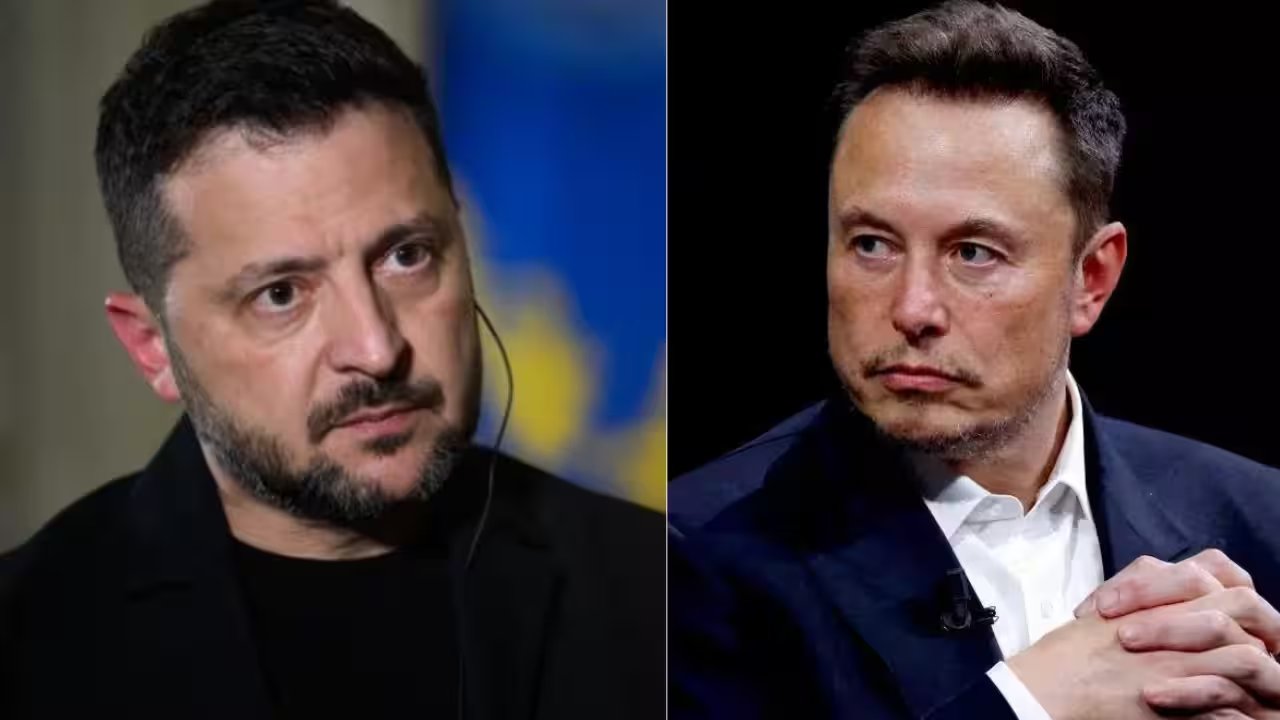
Elon Musk tweeted on X on 30 September that the military version of Starlink is controlled by the U.S. military and President Trump, announcing a hard cap that reduced the bandwidth available to drones hovering over Ukraine.
Serhii Beskrestnov, an adviser to President Zelenskyy, said the new limit dropped the typical flight speed from 200 km/h to 161 km/h, a change that left operators scrambling to maintain situational awareness against a backdrop of Russian jets.
The slowdown came on the heels of a second night of missile strikes that left five civilians dead and 36 wounded in Kyiv. A spokesperson for the Ukrainian Air Force, Yurii Ihnat, confirmed that the city received no warning before the first barrage of ballistic missiles, a stark contrast to the alerts given for subsequent waves.
Washington’s stance has frayed since President Trump’s recent diesel‑import deal with Moscow, a move that critics say signals a pivot toward Putin. Trump’s own Twitter thread urged Ukraine to elect a new president, blaming Zelenskyy for the country’s high fuel costs.
In light of the Starlink curbs, the U.S. Pentagon has launched an internal review, and a senior U.S. Space Force officer is slated to brief the administration by early next week. Ukraine’s defense ministry is already exploring backup satellite links and a shift to ground‑based relay drones.
The next day, a displaced family from eastern Kharkiv, who had fled a Russian strike, watched the news of the speed cap on a cracked television, noting that their own communications had been cut off for hours during the attack.