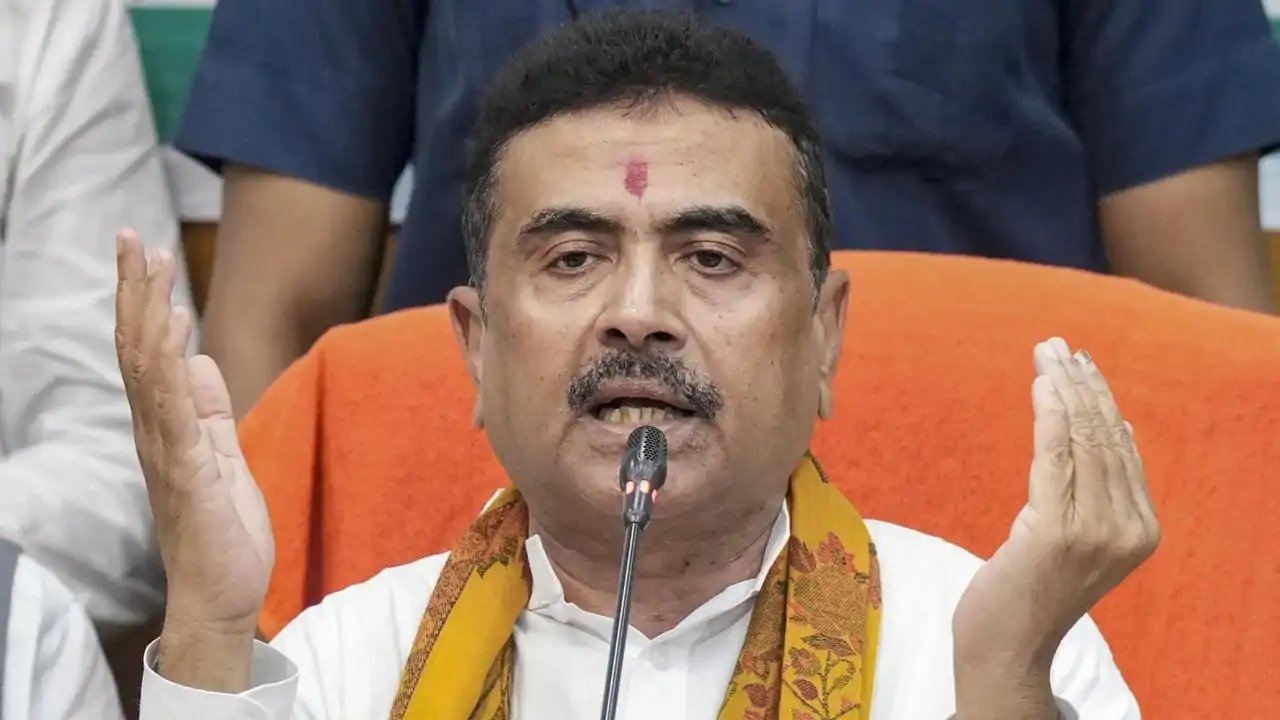
Suvendu Adhikari broke ground on a massive cultural reset by unveiling a Rs 1,000 crore fund dedicated to the physical and spiritual repair of Bengal’s crumbling religious landmarks. The announcement came Friday at Aranghata in Nadia district, where the Chief Minister was inaugurating Kali Puja celebrations hosted by the Shatadal Club. It’s a direct pivot toward religious tourism, mirroring the aggressive redevelopment models seen in Kedarnath, Badrinath, and Ayodhya.
The 'Tirthakshetra Circuit' — as Adhikari named it — will operate over a two-year window. “We will spend Rs 1,000 crore over the next two years to renovate old temples and monasteries,” he stated. The scope is precise. It covers ancient institutions sitting on Debottar properties and those managed by public trusts. Private holdings are strictly off-limits.
But the renovation is only half the story. Adhikari outlined a parallel push to rebrand pilgrimage destinations, specifically targeting Chandannagar and Krishnanagar for the upcoming Jagaddhatri Puja, and Nabadwip, Shantipur, and Cooch Behar for Raas Purnima. He confirmed a visit to Nabadwip on November 22 for Sri Chaitanya Mahaprabhu programs. The Gangasagar Mela, now granted international status, is already in the preparation phase.
The event quickly turned political. Adhikari attacked the previous regime, citing the Hanskhali incident in Nadia as evidence of systemic failure in women’s safety. He alleged that Durga Puja immersion processions had faced curbs, including bans on traditional instruments like the kansar and bells. The counter-narrative to the previous administration’s restrictions? A surge in Durga Puja pandals. Adhikari claimed the number jumped from roughly 13,000 to 58,000 this year, with zero restrictions on organizing events statewide.