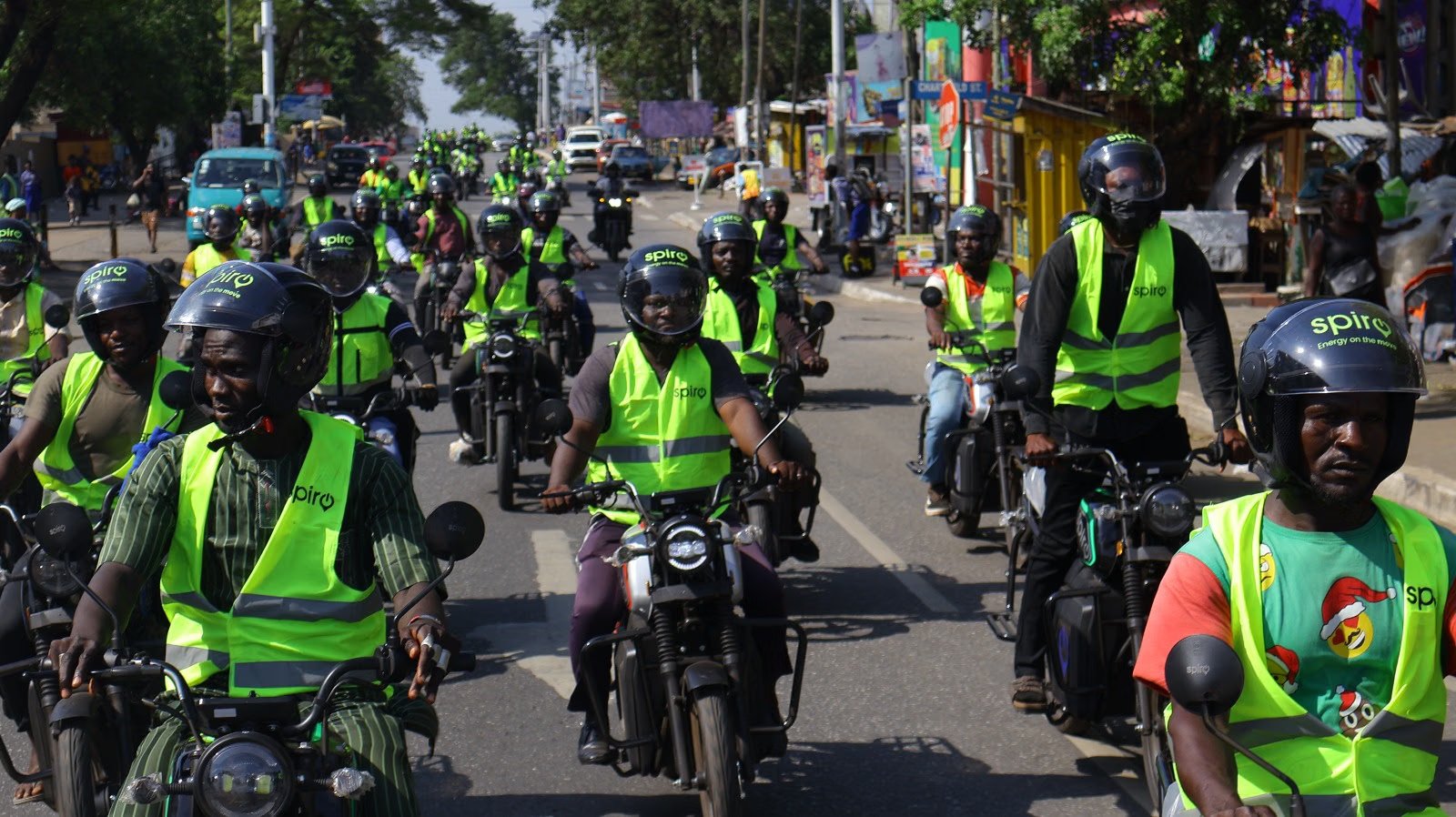
If you’re a rider who spends most of the day on the road, the first thing that hits you about the Ekon 450 M1 V3 is how fast you can get back to work. A battery swap takes roughly two minutes, and the company claims it could shave up to US$2 off your daily running costs compared to a petrol‑powered twin.
That swap speed isn’t just a brag; Spiro already runs more than 2,500 swapping stations across seven African countries, having completed over 57 million swaps. In Greater Accra, the brand is setting up test rides and demo bays so you can see the process in action—watch a battery hop out, a new one slide in, and the bike be ready to roll again.
In a market where most riders still rely on diesel or petrol engines, downtime is a silent killer of earnings. Spiro’s model tackles that head‑on by offering a dedicated infrastructure that keeps the bike on the road. While other electric two‑wheelers in the region are still ramping up, Spiro’s combination of a modest‑size motorcycle and an efficient swap network is aimed squarely at the delivery and courier segment.
Behind the launch in Ghana is a broader strategy: a fresh US$270 million equity injection and a US$18 million debt line from the Africa Go Green Fund. The plan is to roll into 20 African markets, with Ethiopia, Malawi, Mali and the DRC on the horizon. For buyers, that means a growing support network and potentially better local service options as the brand expands.
You can start riding the Ekon 450 M1 V3 in the Greater Accra region now through Spiro’s local partners. The company is running test rides and product demos, so keep an eye on the official launch dates and the rollout of swapping stations. The next big move? Watching how the model performs in the high‑volume delivery corridors of Accra and beyond.