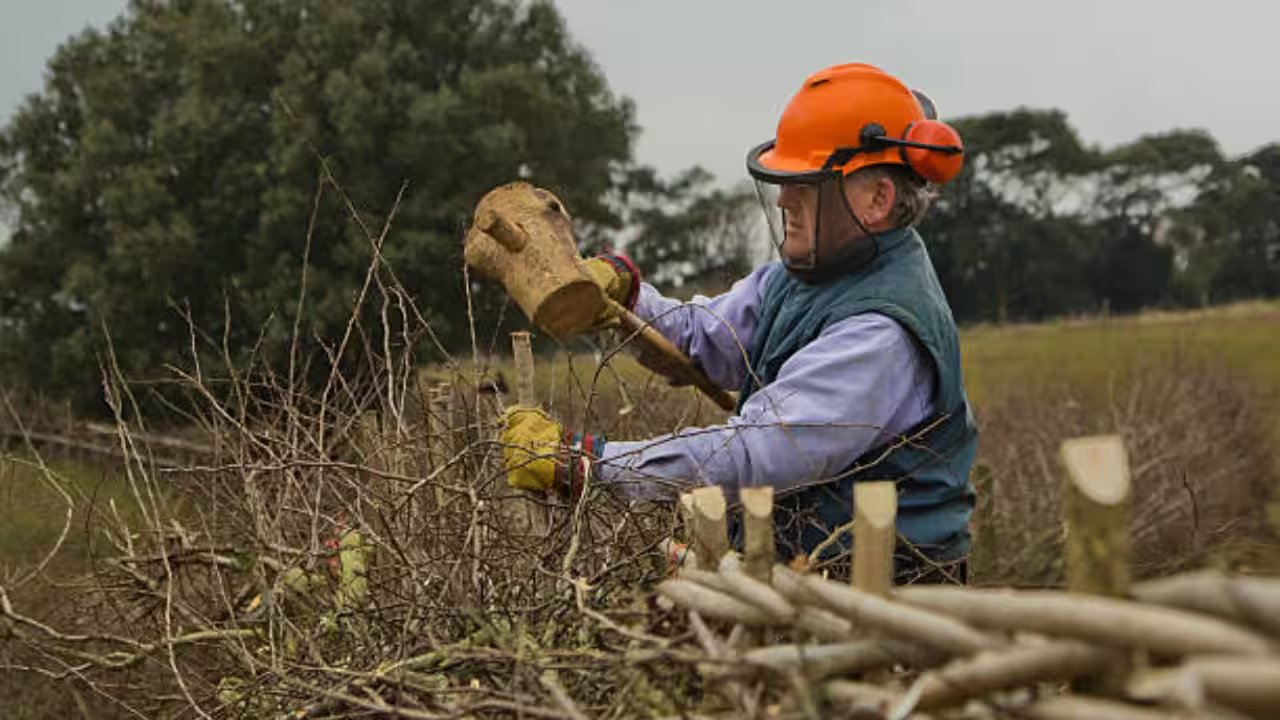
A £225 million environmental grant was announced to support practical improvements across England’s countryside. The package, part of a broader capital grant scheme, includes funds for restoring and maintaining mature hedgerows, a practice that has fallen out of favour since World War II.
Megan Gimber, key habitats officer for the People’s Trust for Endangered Species, said hedge‑laying was one of the most effective tools farmers have to fight the climate crisis. She added that the craft, which vanished after World War II, could help close the gap in wildlife habitats that has widened over the past decades.
Stephen Budding, chair of the National Hedgelaying Society, noted that older hedges deliver the greatest biodiversity gains, and that farmers are seeing a surge in work thanks to the grant. He also pointed out that the craft will be showcased at the National Hedgelaying Championships in Chipping Norton next month.
Robert Rose, who runs 220 acres of beef‑cattle pasture and arable land at Rosewood Farm in Ellerton, Yorkshire, is awaiting Defra’s decision on a grant that would let him lay 50 m of blackthorn, hawthorn, ash and willow. He said he and his family have been learning the craft through trial and error, and that the new funding would enable him to restore a 20‑year‑old hedge and plant new ones before the October‑February season begins. The Department has cleared a large tranche of applications, meaning farmers can start work as soon as the funding is released.