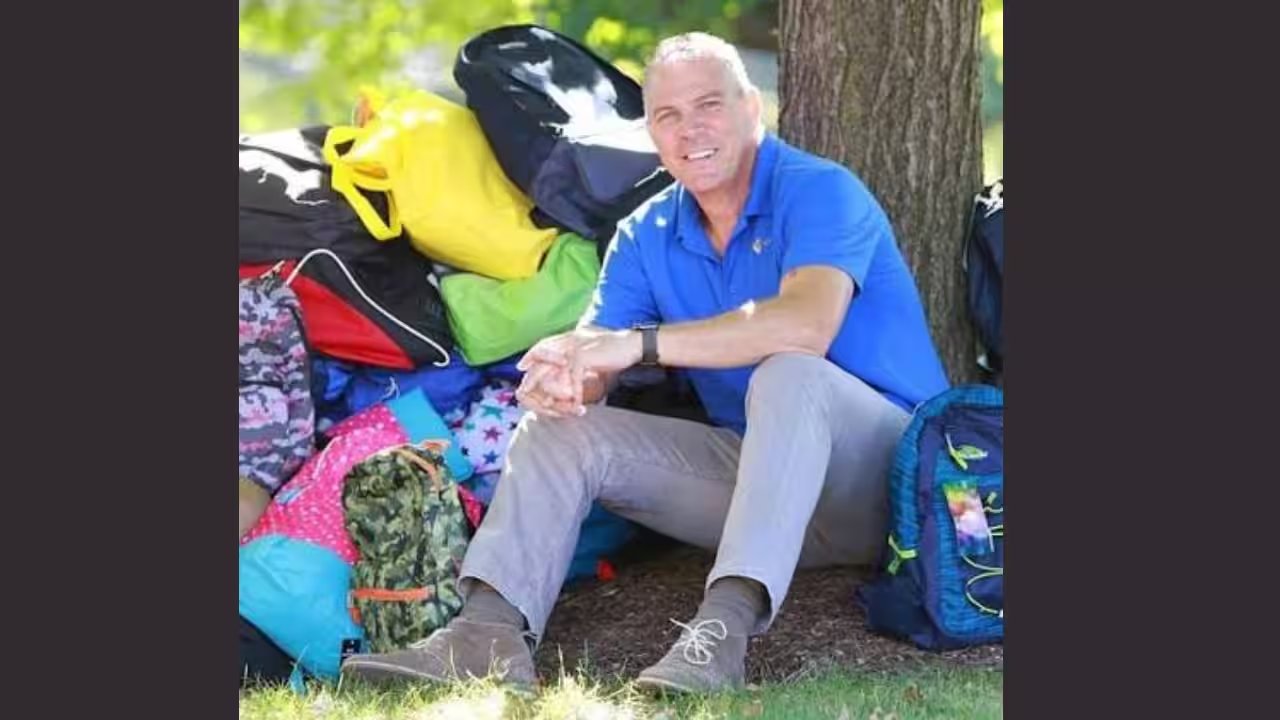
Rob Scheer watched his newly adopted foster children walk through his Maryland front door carrying their entire lives in black plastic rubbish bags. It was 2013. The image broke something in him. Scheer, who had aged out of the foster system in the 1970s with a similar bag in hand, knew that dignity cannot be packed in a bin meant for garbage. He gathered his family at the dining table. They packed backpacks. That single act of defiance against institutional indifference became Comfort Cases.
The small-town effort exploded into a nationwide infrastructure for care. Official impact figures from the nonprofit show it has now distributed more than 300,000 Comfort Cases and duffel bags to children in all 50 US states, Washington, D.C., Puerto Rico, and the United Kingdom. Each bag contains new pajamas, a fleece blanket, toiletries, age-appropriate books, and a stuffed animal. These are not used goods passed down from previous placements. They are new items, specifically chosen to signal to a child that their belongings matter and that they are not disposable.
The mission shifted from logistics to legislation. Scheer used his platform to argue that if a society can afford a new backpack, it can afford to respect a child’s humanity. The pressure worked. In 2023, Maryland and Texas passed laws explicitly banning the use of trash bags for foster care placements. New York and Oregon are currently weighing similar bills. The charity’s headquarters in Gaithersburg, Maryland, now coordinates with child welfare agencies to ensure these legal mandates are backed by actual resources on the ground.
Community volunteers drive the operation through "Packing Parties," where businesses, schools, and religious groups assemble the kits. The model has crossed the Atlantic; Comfort Cases UK launched in 2022, extending the network of care beyond the US borders. The next phase involves expanding partnerships with child welfare organizations to ensure that every child entering the system—whether in a large metro area or a rural county—walks out of the intake process with a bag they can call their own.