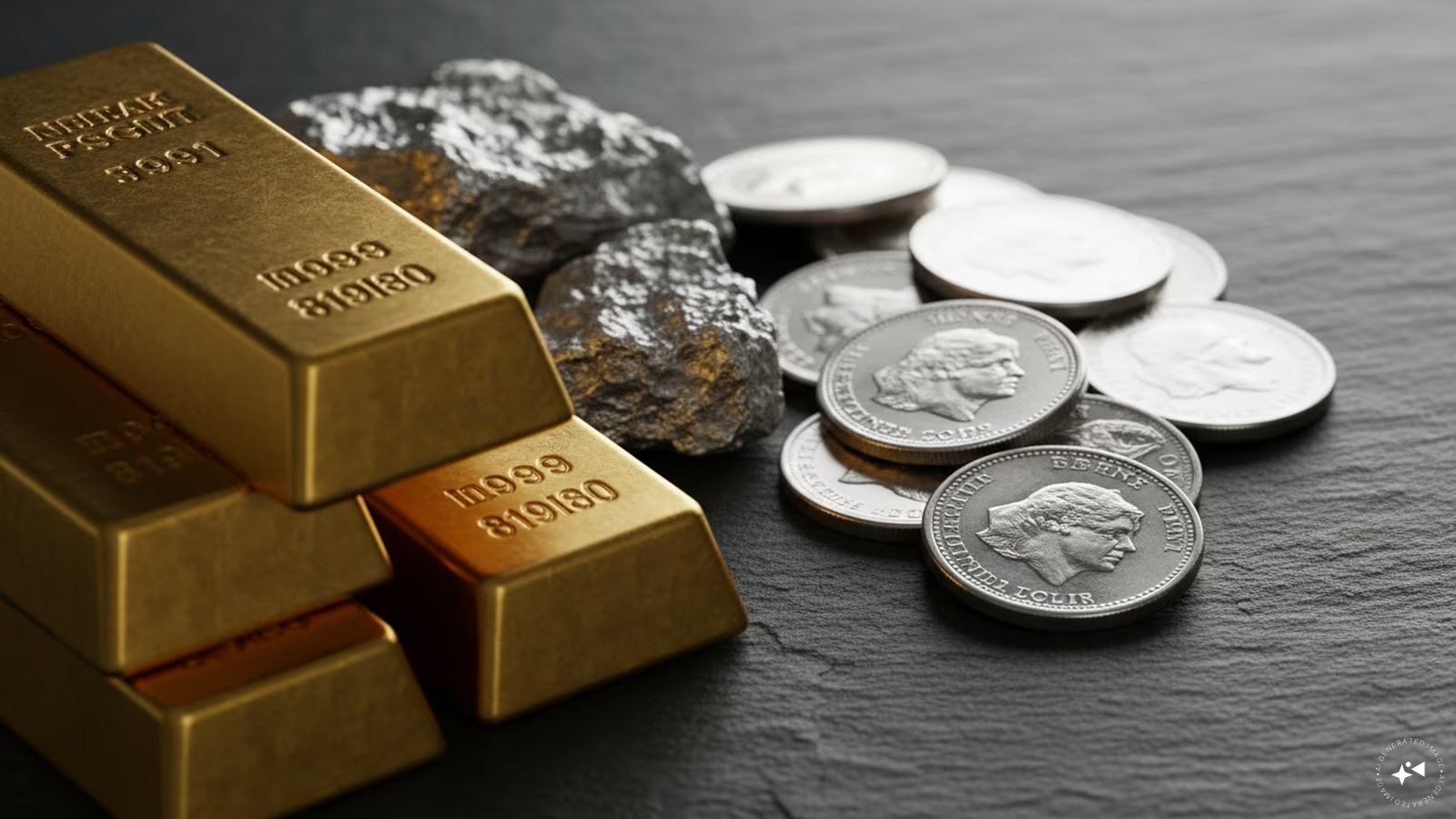
Precious metals are bleeding in the current session. COMEX gold closed down 0.31% at $4,174.30 an ounce, while silver shed 0.47% to settle at $61.30. The retreat follows a domestic dip on Tuesday, where gold prices in India slipped by ₹200 to ₹1.49 lakh per 10 grams, according to local trading data.
The headwind is macro-driven. Prithviraj Kothari, MD at RiddiSiddhi Bullions Ltd., points to the stronger US dollar and elevated US Treasury yields as the primary culprits. Since gold yields no interest, higher bond yields make the metal less attractive to institutional portfolios. A stronger dollar further complicates the picture by making dollar-denominated bullion costlier for holders of other currencies.
Technically, the chart looks fragile. Kothari notes that silver has already broken below its head-and-shoulders neckline, hitting the $60 target. He flags $57 an ounce as the next critical level to watch. For gold, the battleground is $4,100 per ounce—roughly ₹1.48 lakh per 10 grams. A sustained break below this line could drag the price toward $4,000, or approximately ₹1.44 lakh.
There is a glimmer of support, though. Softer-than-expected US September jobs data has cooled expectations of an immediate Federal Reserve rate hike in October. This slight pause in hawkish signals has provided a minor cushion, preventing a steeper fall. However, Saumil Gandhi, Senior Commodities Analyst at HDFC Securities, adds that subdued domestic retail demand, partly attributed to the Pitru Paksha period, is also keeping a lid on prices.
Investors now watch the Fed’s path and geopolitical ripples from West Asia. Oil price shifts and inflation expectations will continue to dictate the dollar’s strength. Until the $4,100 floor holds, the bias for gold remains cautiously bearish in the near term.