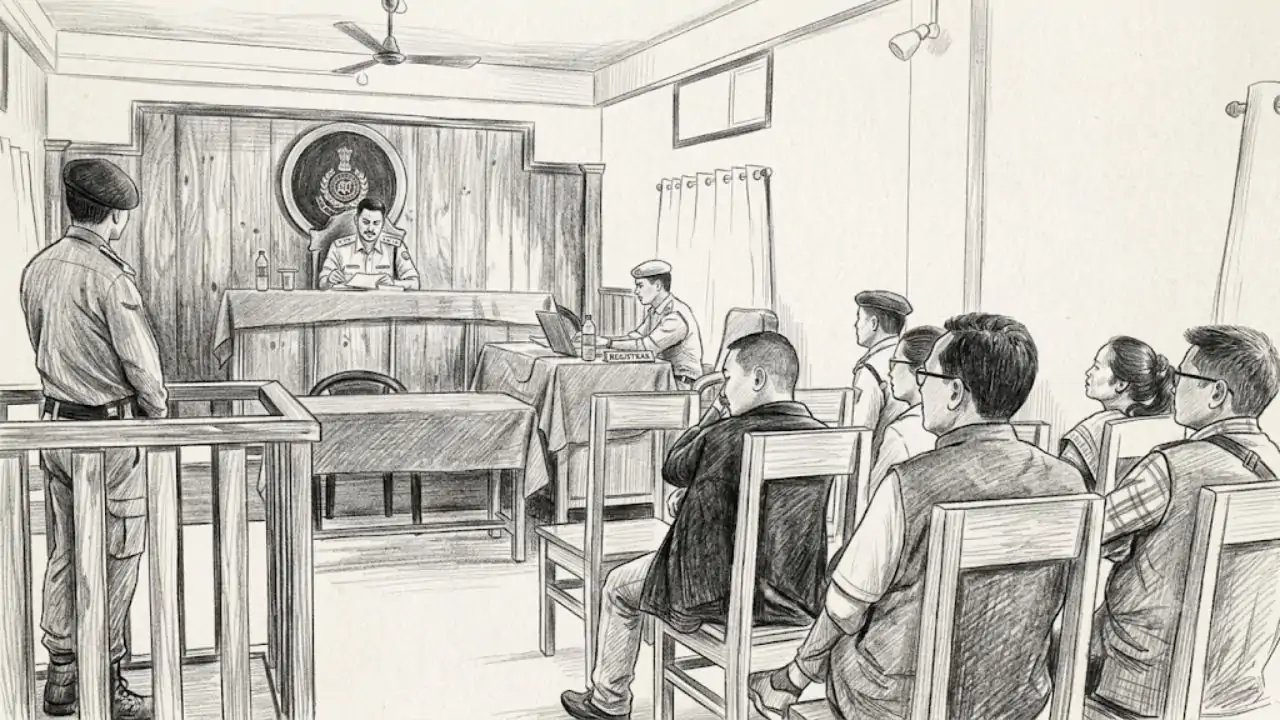
On Thursday, a Delhi Special Executive Magistrate—an officer empowered under Section 15 of the 2023 Bharatiya Nagarik Suraksha Sanhita—ordered the release of Saurav Das and Ashutosh Ranka, both arrested on October 14 after entering the denotified Jantar Mantar protest site.
The two were initially remanded to five days of judicial custody, but the SEM extended their detention by two more days on October 19. They challenged the extension in the Delhi High Court, where Justice Subramonium Prasad questioned their use of a writ when a revision remedy was available. The court allowed the petition to be withdrawn, effectively clearing the way for the SEM to accept their personal and surety bonds.
Under the Delhi Police Act, the Police Commissioner can appoint officers of at least Assistant Commissioner rank to exercise executive magistrate powers, a provision that explains why police officers can function as SEMs in the national capital. Section 126 of the BNSS permits an SEM to require a suspect to maintain peace for up to a year, while Section 170 authorises warrantless arrests to prevent a cognisable offence—both powers were invoked during the protest.
The decision to release the activists has reignited scrutiny over preventive detention in Delhi. The Delhi High Court has previously examined cases where SEMs used their powers without proper procedural safeguards. The release may prompt a fresh review of the legal framework governing SEMs and the balance between public order and individual liberty. Delhi Police will likely file a report on the incident before the next court hearing scheduled for early next week.