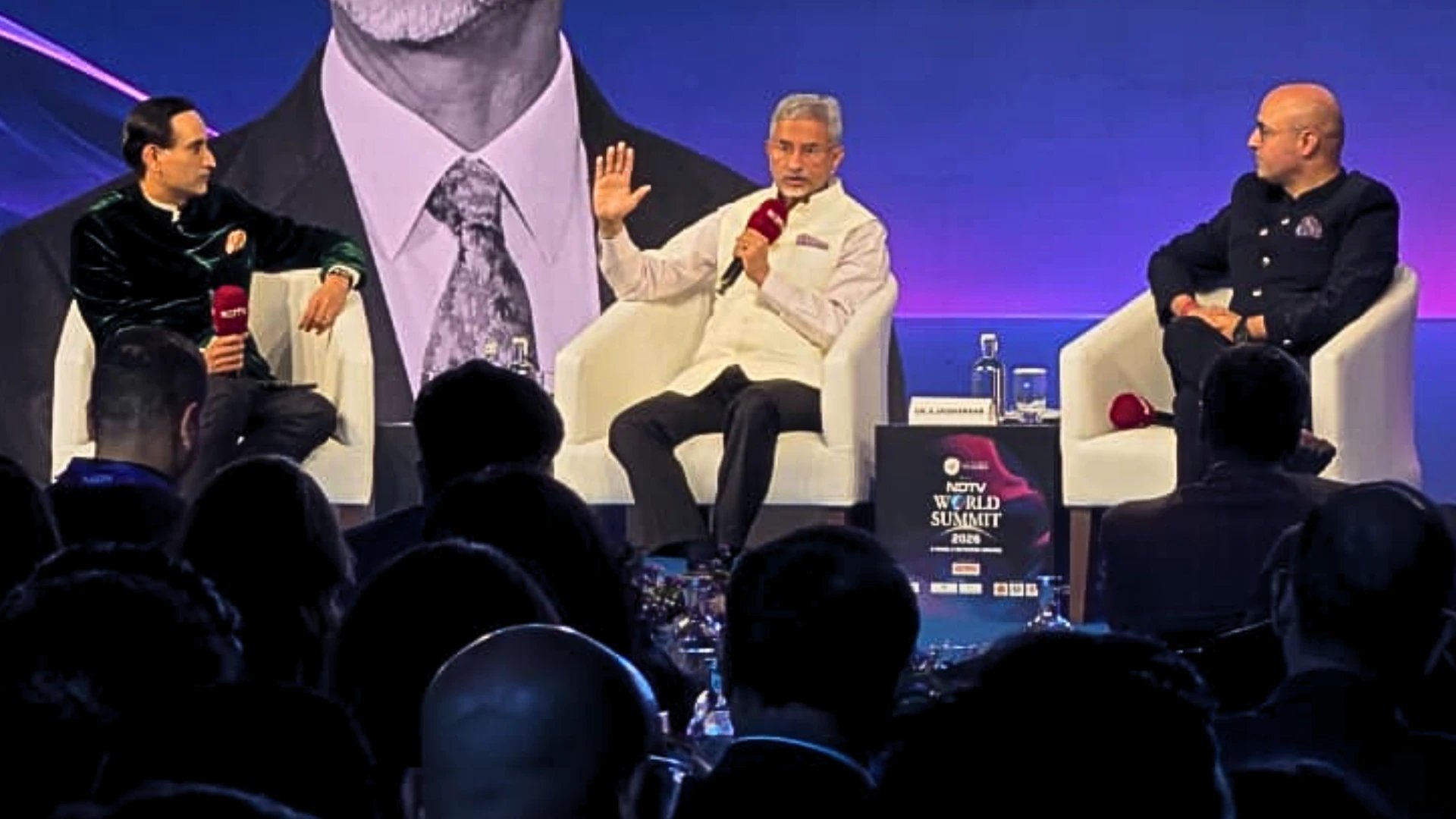
Jaishankar told the summit that the pact is "almost done," stressing that the "last mile" still harbors challenges that the negotiating teams are tackling. He declined to name the specific issues, pointing instead to the complex tariff and regulatory gaps that have kept the agreement from being signed.
Secretary of State Marco Rubio echoed the same sentiment in a media brief, saying the U.S. is "pretty close" to finalization and that a handful of items remain to be wrapped up. He also highlighted India’s role as a "crude-oil refining superpower" and suggested that the U.S. could benefit from processing more Venezuelan crude in India.
Commerce Minister Piyush Goyal and former Prime Minister Narendra Modi have all spoken publicly of the deal’s imminent conclusion. President Donald Trump, meanwhile, has described the pact as "pretty close" and urged both sides to sign it soon. Washington’s recent punitive tariffs on Indian goods and the U.S. immigration policy have added layers of complexity to the negotiations.
The next step will be the formal signing of the agreement, expected to take place at an upcoming joint press conference. Once signed, the deal will open up Indian markets to over 100 U.S. companies and lift tariff barriers on agricultural and industrial goods, a move that could reshape supply chains for both economies.