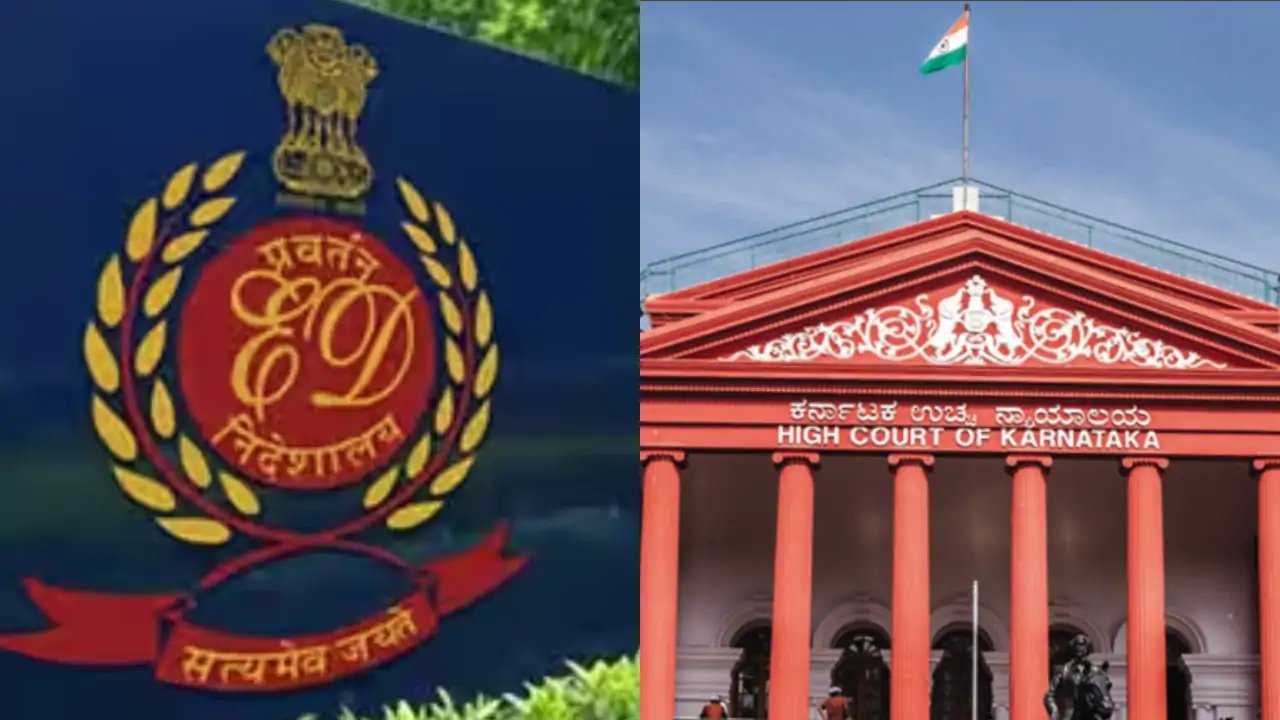
Justice MI Arun of the Karnataka High Court dismantled the Enforcement Directorate's legal footing on Tuesday, quashing the Enforcement Case Information Report against Congress MLA KY Nanjegowda and his associates. The ruling strikes at the heart of how the agency operates under the Prevention of Money Laundering Act, declaring its powers "derivative and not original."
The court's verdict is blunt. The ED, Arun wrote, is "not a super cop to investigate anything and everything which comes into its notice." This legal check-and-balance means the agency cannot launch investigations based on standalone suspicion if the underlying scheduled offense doesn't exist. In this specific case, the predicate land scam case had already been closed because the necessary sanction for prosecution was never obtained. Since that foundation collapsed, the money laundering proceedings built on top of it crumbled too.
The ruling also exposes a procedural loophole the ED has been exploiting. The agency filed a private complaint after the jurisdictional agency ignored information shared under Section 66(2) of the PMLA. The High Court rejected this maneuver, stating the ED cannot take over investigations of other laws merely because it stumbled upon the material. Statutory powers, the bench noted, must be exercised only in the manner prescribed by law.
For Nanjegowda and the other petitioners, represented by lawyer Mayank Jain, the immediate relief is tangible. The court set aside the PMLA Adjudicating Authority's order confirming the seizure of assets and directed the return of articles seized from one of the petitioners. The underlying probe concerned alleged irregularities in employee recruitment at the Kolar-Chikkaballapur District Cooperative Milk Producers Union Ltd (KOMUL).
The ED now faces a narrowed operational scope. It must wait for a primary law-enforcement agency to register an FIR or formal criminal complaint before its wheels can even start turning. The agency has not yet indicated whether it will appeal the judgment, but the legal precedent set here could ripple through other pending PMLA cases across the state.