This week, the Nobel prizes will be announced in a staggered schedule, with the physiology or medicine award revealed on Monday, followed by physics, chemistry, literature, and economics on successive days, all at a heftier 12 million Swedish crowns each.
Alfred Nobel, the Swedish inventor of dynamite, bequeathed his fortune in his 1895 will to fund prizes that recognize the greatest benefit to humanity, a vision that birthed five original categories before the 1968 economics prize was added by the Swedish central bank.
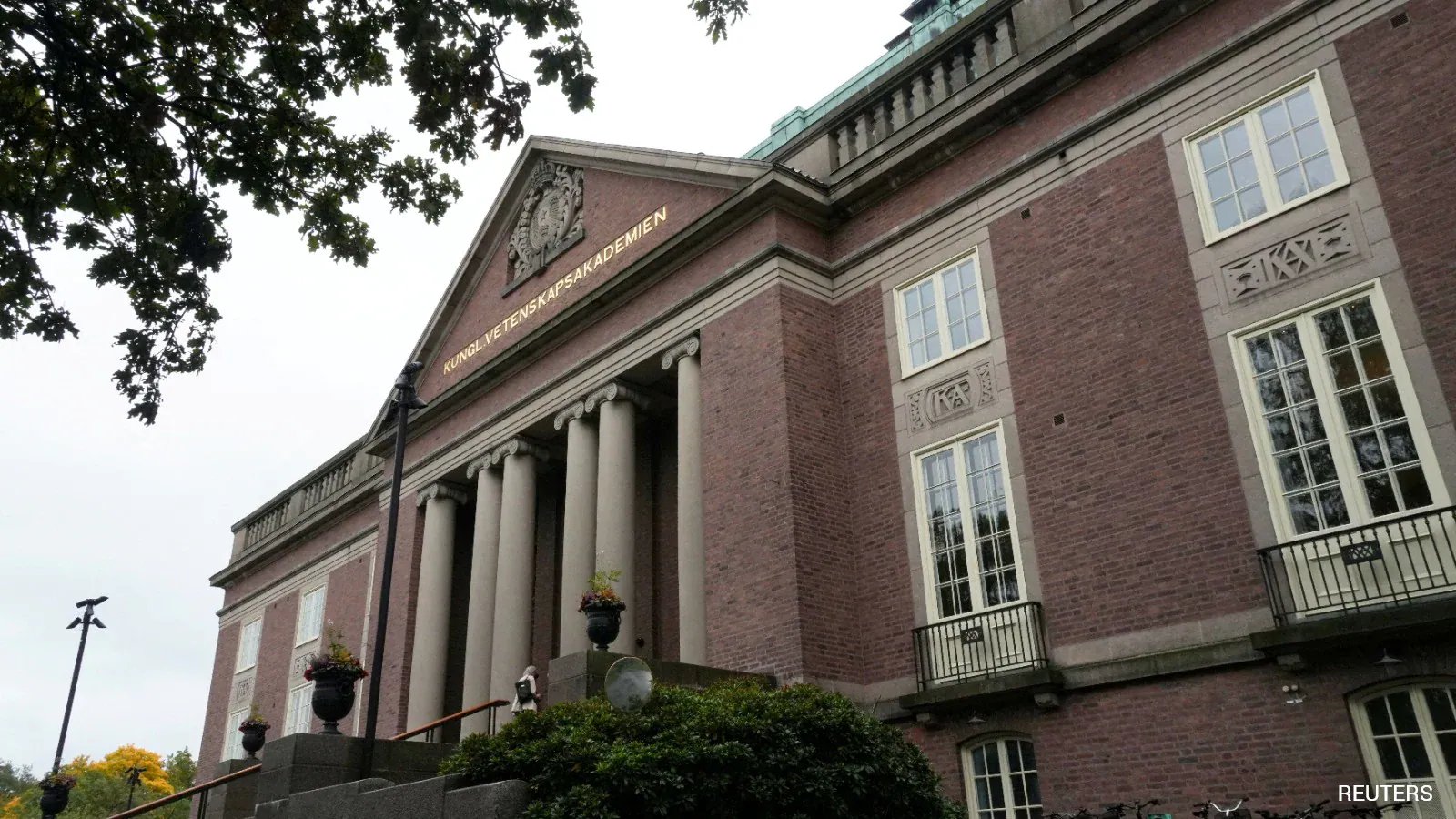
The Royal Swedish Academy of Sciences hands out physics, chemistry, and economics, while the Karolinska Institute awards medicine, the Swedish Academy chooses literature, and the Norwegian Parliament confers the peace prize.
The foundation recently lifted the prize to 12 million crowns—a jump that translates to about $1.21 million and marks the most substantial increase in more than a decade.
Past laureates—Einstein, Curie, Mandela, and Camus—have sparked both reverence and controversy, with critics pointing to contentious choices such as the 1973 Peace Prize for Henry Kissinger and the oversight of Mahatma Gandhi.
On December 10, the Swedish king will present the awards in Stockholm's Concert Hall, a ceremony that will be televised worldwide; the winners will be announced onstage, followed by a banquet for roughly 1,300 guests.