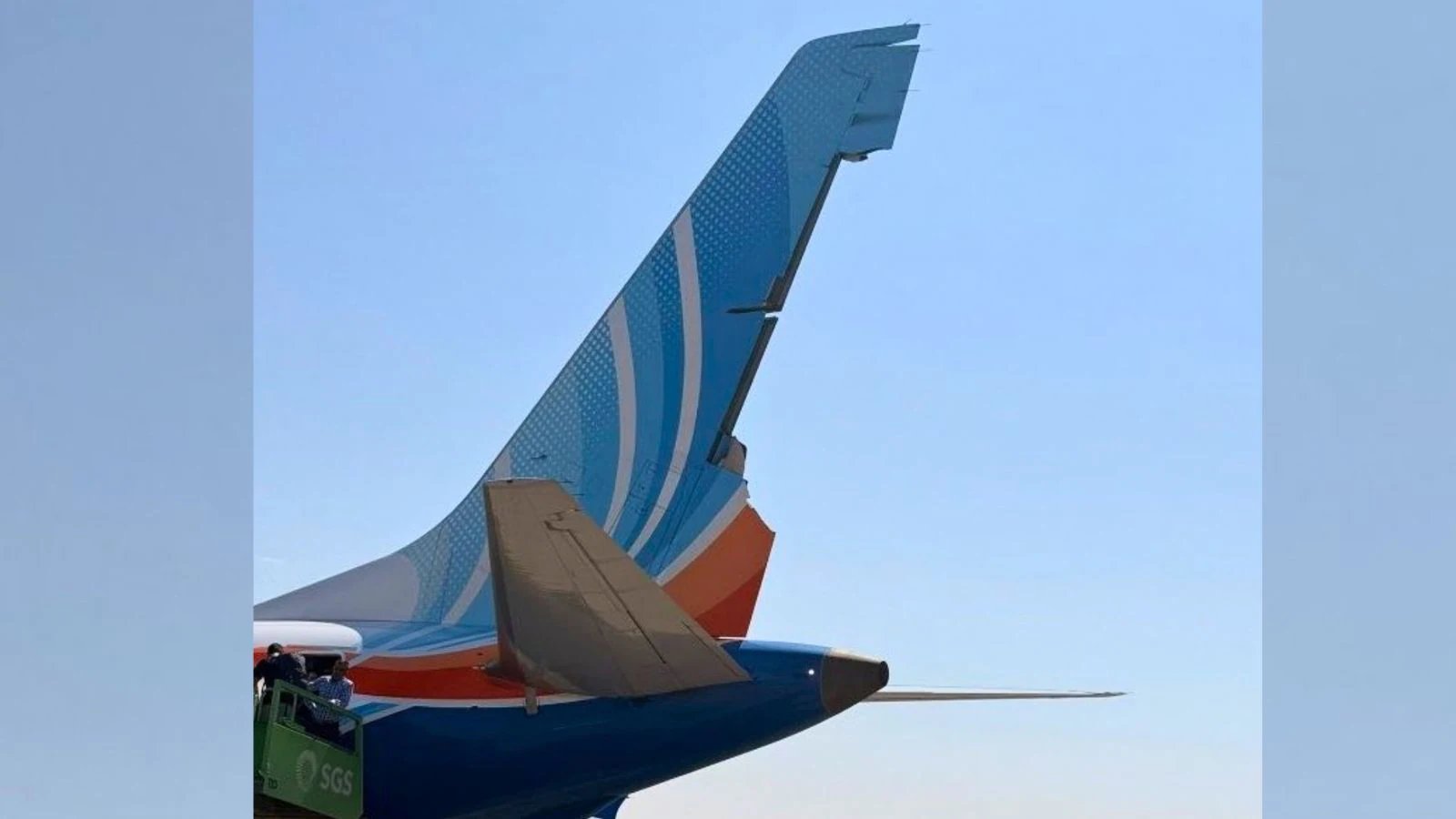
The flydubai Boeing 737 MAX, scheduled to depart from Dubai to Doha, plunged from 34,000 feet to 17,000 feet in just over a minute on Sunday, 29 September 2026, before the crew managed a controlled landing at Dubai International Airport.
Pilot Captain Smit Machchha, an Indian national, and his Omani co‑pilot, both veterans of long‑haul operations, reported that the aircraft exceeded its maximum operating speed by about 100 knots during the descent, causing the vertical stabiliser’s rudder to detach. “It ripped off the rudder,” Machchha tweeted, adding that the plane’s airframe survived beyond the limits “set out by the design and certification process.”
Buzz Patterson, a U.S. Air Force C‑17 pilot who followed the flight on a flight‑tracking site, echoed the crew’s assessment. He said, “The plane was orders of magnitude above the limits and beyond the calculated safety factors built into airlines, yet it survived.” Patterson’s post highlighted the aircraft’s composite structure, noting that it withstood a descent rate of 30,000 feet per minute – a rate that would normally break a less‑robust airframe.
Regulators in the United Arab Emirates and the U.S. Federal Aviation Administration have both opened formal inquiries. The UAE’s Civil Aviation Authority will convene a safety board meeting on 4 October to review the incident, while the FAA plans a technical audit of the 737 MAX’s airframe and flight‑control systems. Boeing has stated it will cooperate fully, offering all flight‑data recorders for analysis.
The incident echoes the 2019 and 2020 crashes that grounded the 737 MAX worldwide, but unlike those events, the flydubai aircraft sustained no catastrophic structural failure. Aviation experts note that the MAX’s use of advanced aluminum alloys and composite materials may have contributed to its resilience, a claim that could influence future certification standards.
For the 180 passengers, the scare ended with a safe touchdown, though many were visibly shaken. A family of five, who had flown for a wedding, said the crew’s calm handling saved their lives. The experience has prompted the airline to conduct a comprehensive review of pilot training protocols for emergency descent scenarios.