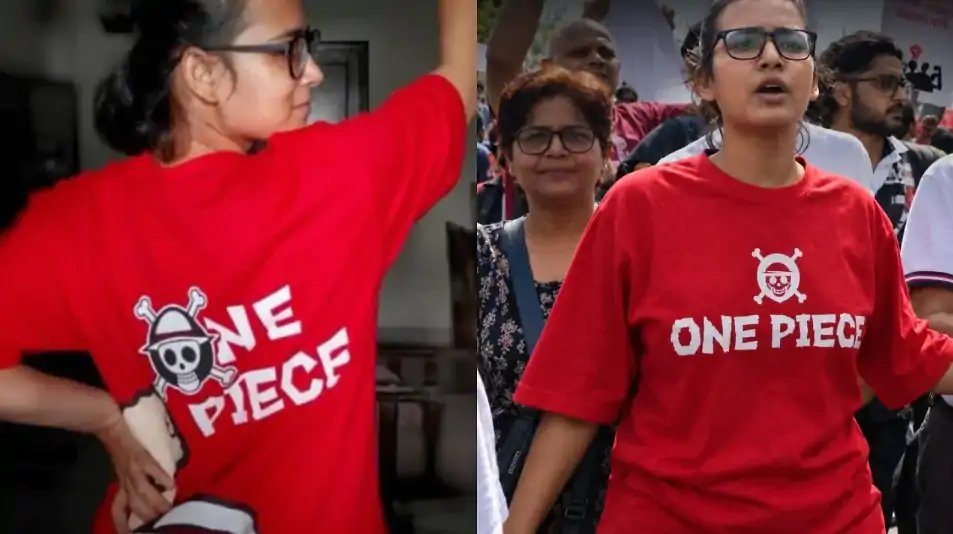
The Special Executive Magistrate in Delhi closed the case on Friday, giving Neha Bora a 29‑day window to answer the notice that demanded she post a peace bond. The order also handed over every police file that the authorities used to accuse her of breaching the peace.
Bora, who heads the All India Students' Association, had demanded the resignation of Chief Election Commissioner Gyanesh Kumar and staged slogans across Delhi campuses. She told reporters that refusing the bond was a stand against what she sees as a tool to silence dissent.
A peace bond is a court‑issued guarantee that a person will not commit unlawful acts for a set period. In this case, the police claimed Bora's rally had turned violent, but the magistrate found no evidence to support the breach. The Delhi High Court had earlier ordered that the magistrate disclose all documents before proceeding.
Bora said she would keep fighting the notice, arguing that the law itself contradicts democratic rights. "Signing a bond would tacitly endorse the state’s use of such orders to curb protest," she told a press conference, adding that she would let the courts decide the matter.
Her lawyers are preparing a written reply scheduled for submission before the October 29 deadline. The Delhi High Court will review the magistrate’s decision next month, and activists across the country are watching closely for a potential precedent that could reshape student protests.