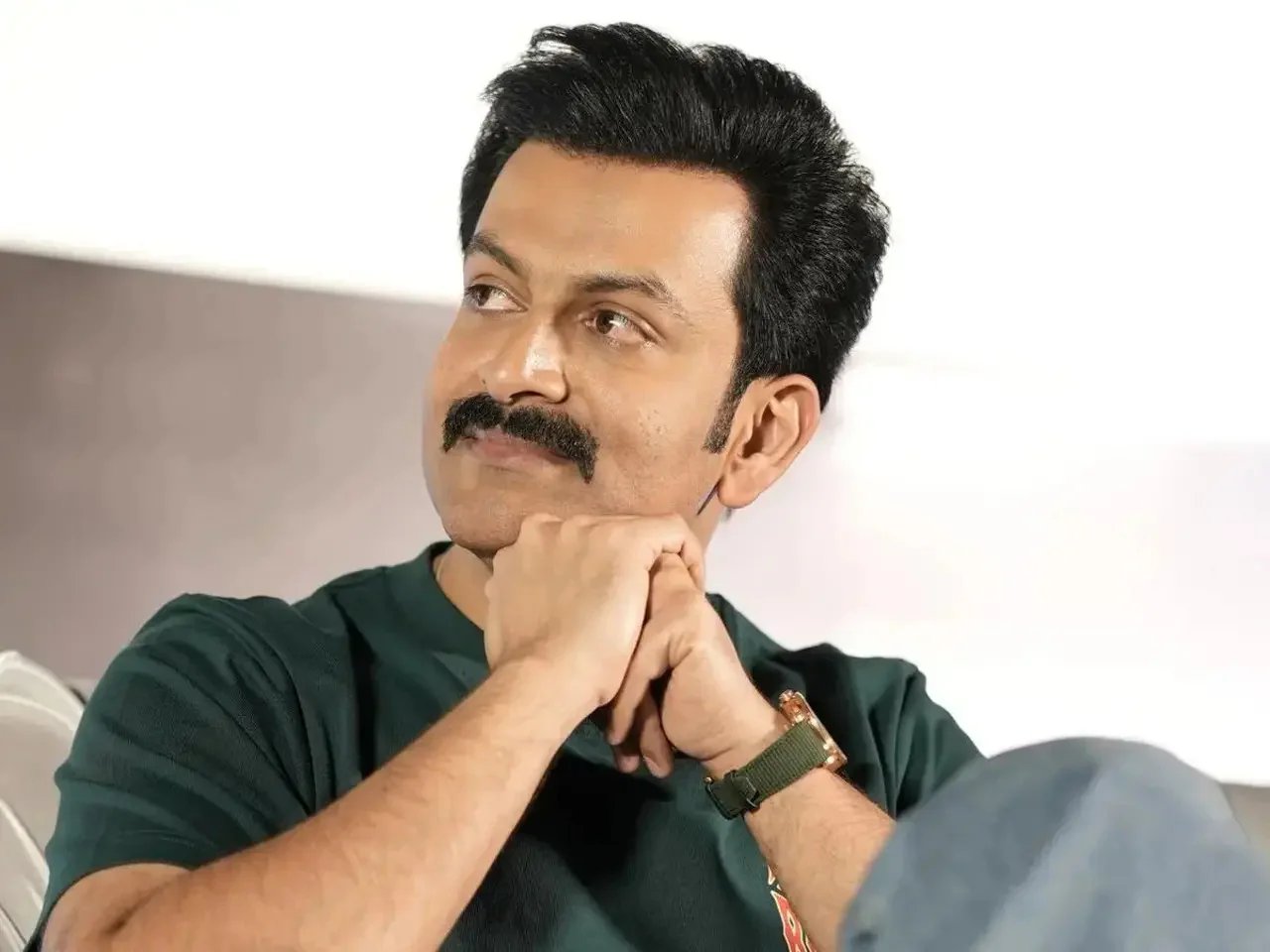
Prithviraj Sukumaran isn't just talking shop; he's dissecting the machinery behind the curtain. Ahead of Daayra's release, the actor told SCREEN that he frequently waives his acting fee in favor of a production stake. For him, this isn't just a financial strategy. It's a way to stay close to the creative process in a genre where the script still matters more than the star power.
The 'secret ingredient' he identifies is starkly different from the rest of Indian cinema. In Malayalam, the writer holds the reins. It isn't the director, the production house, or the manager calling the shots. The writer approaches the actor directly. Prithviraj describes a scenario where a director might simply call an actress, say, "I have a subject, want to listen?" They meet over coffee. She says yes or no. No agencies. No back-and-forth negotiations. No corporate dance.
Contrast that with the rest of the industry. Prithviraj notes that in other regions, you speak to an agency, which speaks to a manager, who convinces the actor to meet you. Then the production house and agency start haggling over fees. It’s a rigid, corporate structure that, while functional, lacks the "tangible, humane element" found in Malayalam productions. He admits the corporate way works, but he prefers the ease of a direct call.
This ethos is what brings him to Daayra, his first collaboration with Kareena Kapoor Khan. Directed by Meghna Gulzar, the film is an investigative thriller that goes deeper than a simple crime mystery. It tackles the conflicting ideas of justice held by those who enforce the law. The moral questions arise when their approaches clash. It’s a gritty face-off that relies on the script’s strength, a hallmark of the industry Prithviraj champions.
The film hits theatres on September 18. If Prithviraj’s philosophy holds water, the audience should expect a performance that feels less like a transaction and more like a conversation between two actors who respect the material they’re handling.