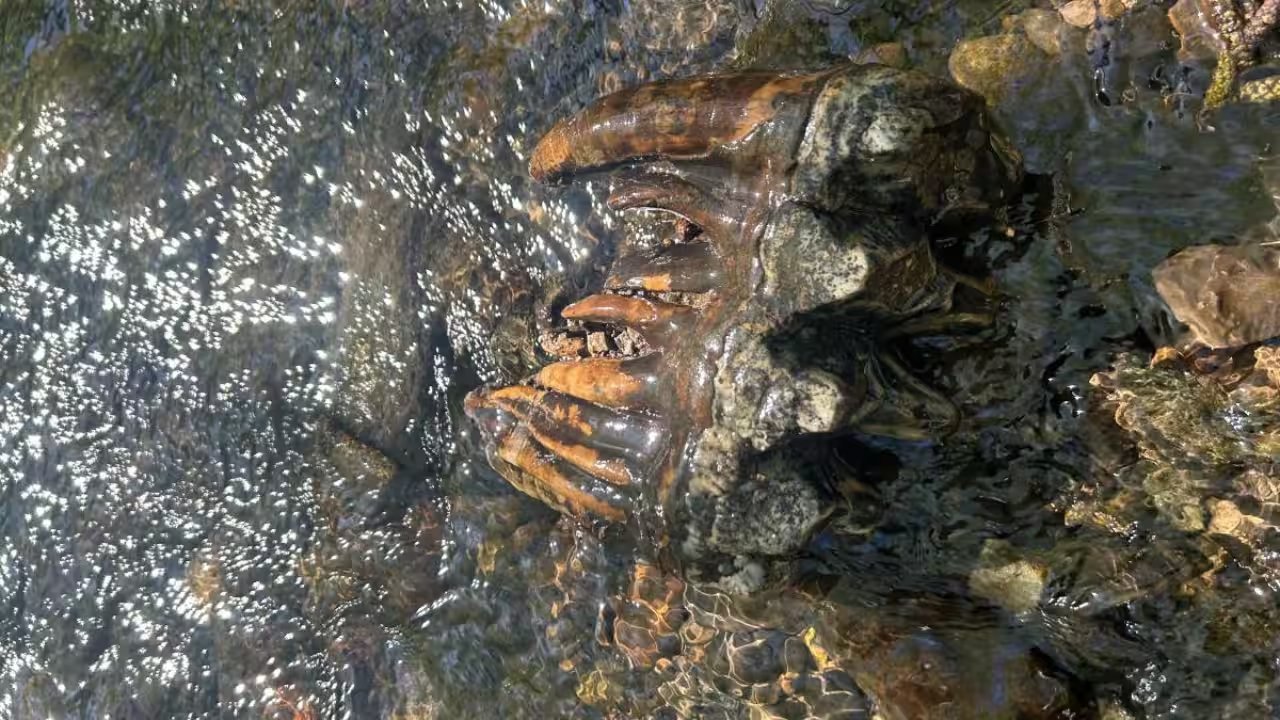
Brigid Lynch, a geomorphologist with Balance Hydrologics, spotted an 8.5‑inch molar of a Pacific mastodon in a creek under a Midpen preserve in San Mateo County while surveying for a habitat restoration project.
Uncertain of the find, she used Google’s reverse image search; the results linked the tooth to a known mastodon specimen, prompting a call to paleontologist Wayne Thompson of Pacific Paleontology.
Thompson verified the fossil as the most complete mastodon molar from the Bay Area, noting the intact crown and roots—a rarity that could offer unprecedented insights into Pleistocene diets.
Radiocarbon dating estimates the tooth could be between 50,000 and 100,000 years old, but Stanford University’s Doerr School of Sustainability will conduct a precise analysis to determine its age and environmental context.
Midpen donated the specimen to Stanford, which will keep the original in a climate‑controlled vault and generate a 3‑D scan for Midpen’s educational outreach, allowing students to examine the fossil virtually.
The discovery, made during a project to protect the threatened California red‑legged frog, underscores how conservation work can unearth evidence of extinct megafauna; the site’s exact location remains undisclosed to deter looters.