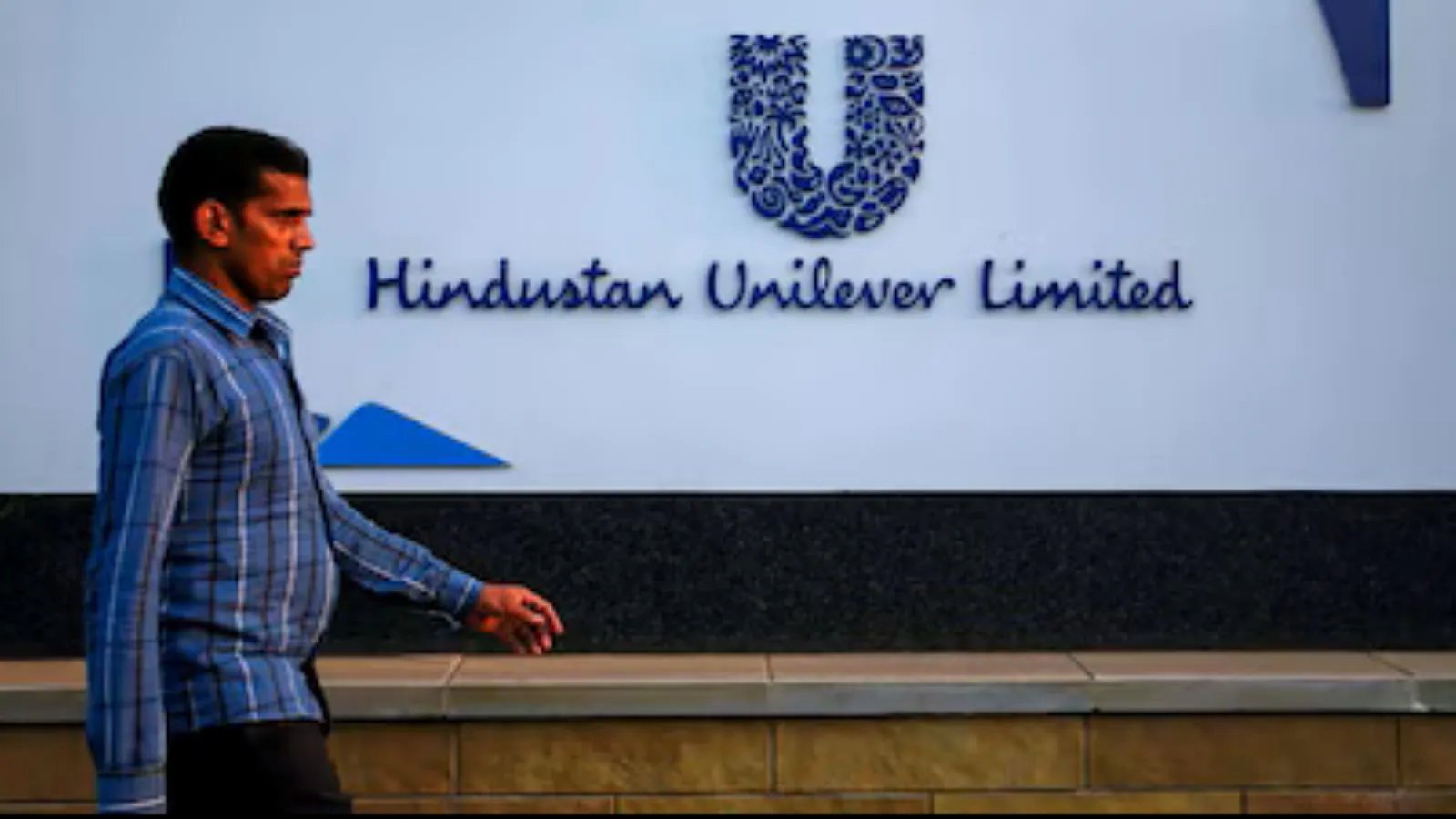
The math is stark. Hindustan Unilever Ltd. (HUL) is down 21% in dollar terms this year, a slide that has slashed its market cap to roughly $48 billion. That figure now represents just 35% of parent Unilever Plc’s $135 billion valuation. Four years ago, the dynamic was reversed; HUL commanded 70% of the parent’s worth. This marks the longest losing streak in the company’s recorded history, according to Bloomberg data.
The premium isn’t gone, but it’s bruised. HUL trades at 39.1 times forward earnings versus Unilever’s 16.3 times. A 140% premium remains, yet it pales compared to the 275% spike seen in September 2021 when Indian consumer stocks hit peak euphoria. The gap has compressed as investors reassess whether the Indian entity can justify such a rich multiple against global peers.
Fundamentals are showing strain. Underlying volume growth slowed to 5% in the June quarter, down from 6% previously. While HUL posted a $1.7 billion profit in FY26 against revenue of $7.2 billion, rivals like Tata Consumer Products and Nestlé India are growing faster. Raw material inflation and geopolitical tensions in the Middle East are squeezing margins, forcing the company to defend its leadership position.
Sentiment hasn’t broken, though. Of the 42 analysts tracking the stock on Bloomberg, 30 still rate it a Buy. Only three recommend a Sell. The market is watching to see if HUL can reignite growth momentum before the valuation premium erodes further.