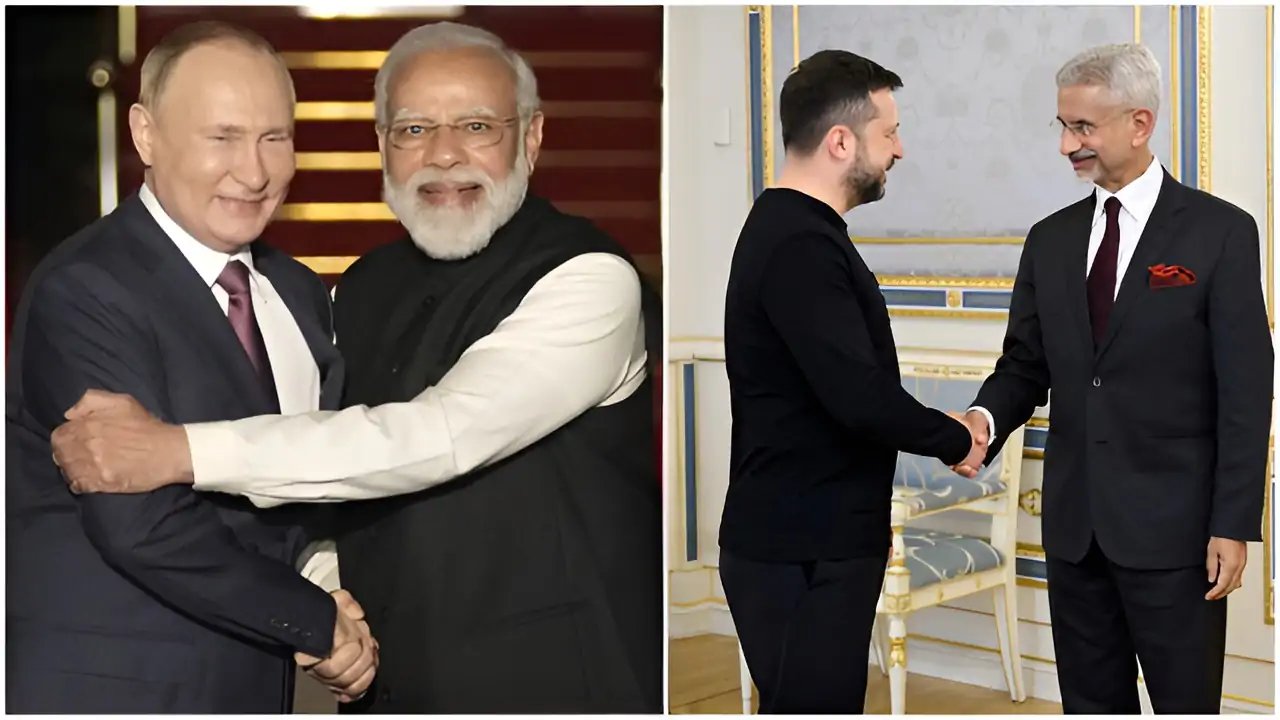
New Delhi pushed a concrete de-escalation framework to Kyiv on Tuesday, bypassing vague calls for peace in favor of three hard targets: halting strikes on energy grids, stopping attacks on commercial vessels, and keeping Black Sea lanes open for grain. External Affairs Minister S Jaishankar delivered the proposal directly to President Volodymyr Zelenskyy and Foreign Minister Andrii Sybiha during a high-stakes visit.
The specificity matters. India has been hit hard by the spillover effects; a Ukrainian drone strike on Monday night damaged a cargo vessel carrying 23 Indian nationals, and five Indian seafarers have died in conflict-linked incidents. Jaishankar cited these losses to argue that disrupting fuel, food, and fertilizer supplies isn’t just a regional issue—it’s an existential threat to the Global South’s stability.
Kyiv’s reaction was notably positive. Sybiha labeled the Indian draft the “most comprehensive” of the ceasefire plans received from Washington, Ankara, and Cairo. Ukraine confirmed it is willing to explore various truce structures, particularly those protecting port infrastructure and energy facilities.
Diplomatic sources note the timing is strategic. Jaishankar’s trip followed just three days after Prime Minister Narendra Modi met Vladimir Putin, where the Russian leader praised Modi’s “excellent ideas” for ending the war. India is now walking a tightrope, engaging both Moscow and Kyiv to force a diplomatic breakthrough.
The next step is unclear but urgent. With Ukraine signaling openness to format negotiations, Washington and other Western capitals will likely monitor whether this Indian-led framework gains traction or remains a diplomatic dead letter. For now, the Black Sea remains a minefield, but the door to negotiation is slightly ajar.