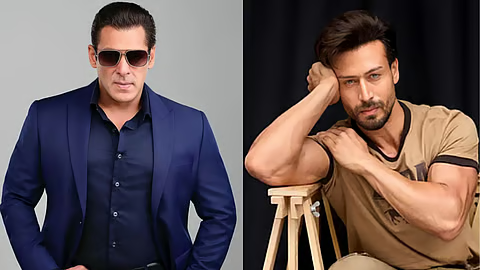
The evening was electric in Mumbai's Juhu, when shots rang out as Tiger Shroff's car rattled off the curb, and a driver was hit. The driver, a 32‑year‑old auto‑rider, sustained a shoulder wound while Shroff, cradling a coffee cup, rolled to the side of the road and waved helplessly at the onlookers.
But the real shock came from the silence that followed. FWICE blasted the attack as an unacceptable assault on the industry's lifeblood, demanding that security protocols be overhauled. AICWA President Suresh Shyamlal Gupta even penned a letter to Union Home Minister Amit Shah, insisting on a 24‑hour security detail for the actor.
Yet, the thread that ties this incident to the broader Bollywood narrative is Salman Khan's half‑decade‑ago confession. "At 56, I’m doing what I did at 15," the veteran said, crediting Tiger Shroff’s youthful zest for his own resurgence. That anecdote, resurfacing now, feels almost prophetic as the industry reels from another violent blow.
Eknath Shinde, Maharashtra's Deputy Chief Minister, paid a quick visit to Shroff’s residence, offering a calm reassurance that the state would step in. The move underscores how quickly the line between cinema and real life blurs when a star’s safety becomes a matter of public policy.
All of this raises a hard question: if a three‑bullet barrage can make headlines, how much more does it cost to keep the brightest talent out of harm’s way? The flickering lights of Bollywood’s golden era may now need an extra layer of protection, or the industry might find itself trapped in a relentless cycle of fear and force.