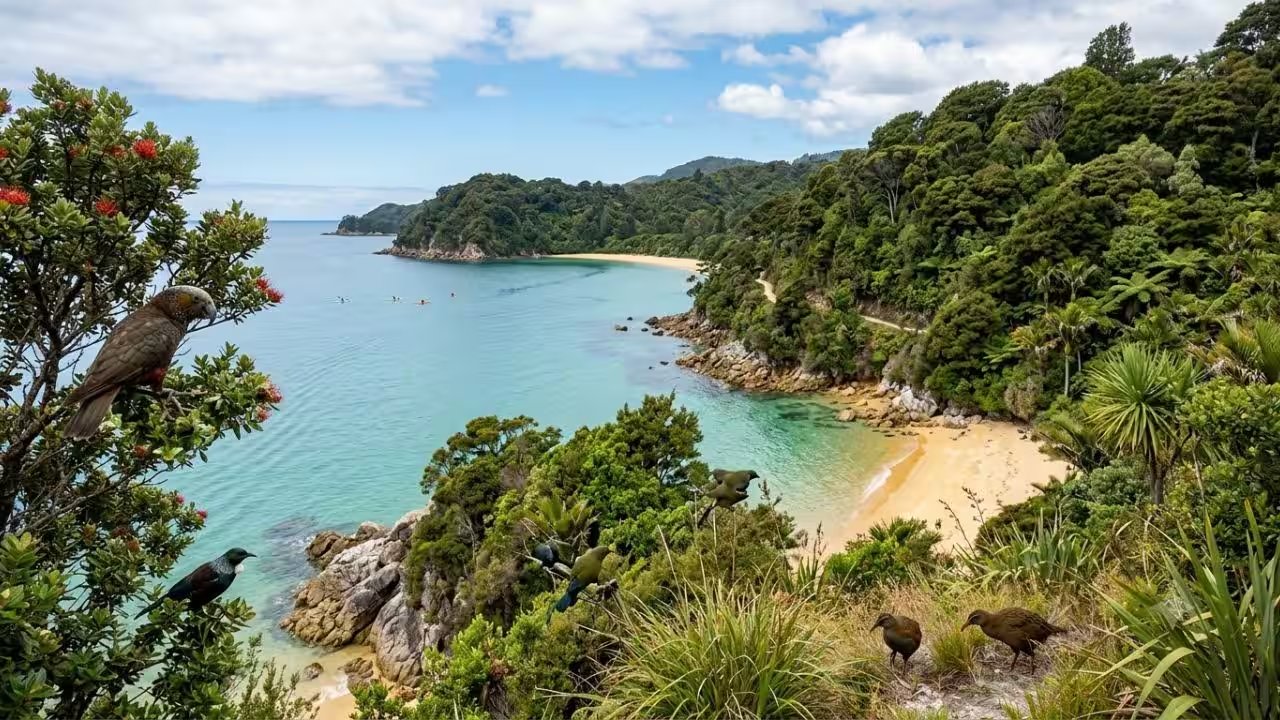
Abel Tasman National Park is loud again. For decades, the forests were unnervingly quiet, a symptom of invasive predators stripping out the native birdlife that once defined the soundscape. That silence ended with the launch of Project Janszoon in 2012, a massive, coordinated effort to scrub the park of pests and weeds while rebuilding habitat for indigenous species.
The project was different because it treated the park as a single ecosystem rather than a patchwork of problem spots. Devon, the project founder, noted that philanthropy at scale allowed them to tackle the whole landscape, a shift from the Department of Conservation’s traditional focus on isolated pressure points. More than $21 million flowed into pest control, weed removal, and species recovery over the last 14 years. The money didn’t just buy traps and chainsaws; it bought time for nature to reclaim the land.
The results are audible. Ropata Taylor, chair of the Ngāti Rārua Ātiawa Iwi Trust, recalls the bush as a "quiet and silent" place. Now, in 2026, he describes it as a "different place," filled with the diversity of plants and the sounds of manu (birds). Kākā have returned to areas where they were scarce, and whio and pāteke have been recorded in habitats they had abandoned. Native plants like mistletoe and rata are thriving where wilding pines and gorse once choked the soil.
But the restoration wasn’t just about trees and birds; it was about people. Over 10,000 students participated in youth ambassador programs, connecting younger generations directly to the land. Martin Rodd from DOC called the biodiversity achievements "amazing" but emphasized that the true magic was the sense of ownership the community developed. Volunteers, iwi, and local groups are now deeply embedded in the park’s long-term stewardship, ensuring the work continues beyond the initial funding cycle. The model, backed by the Plowman NEXT Foundation’s $250 million commitment to environmental work, is already being replicated in other parts of New Zealand. In February 2026, representatives from Ngāti Rārua, Ngāti Tama, and Te Ātiawa presented the Plowmans with a wheku, a carved post, on the coastal track above Rākauri, symbolizing the deepening bond between the funders and the land. The next phase focuses on maintaining this momentum, with DOC and mana whenua continuing to monitor bird populations and expand education programs to keep the park’s new vibrancy alive.