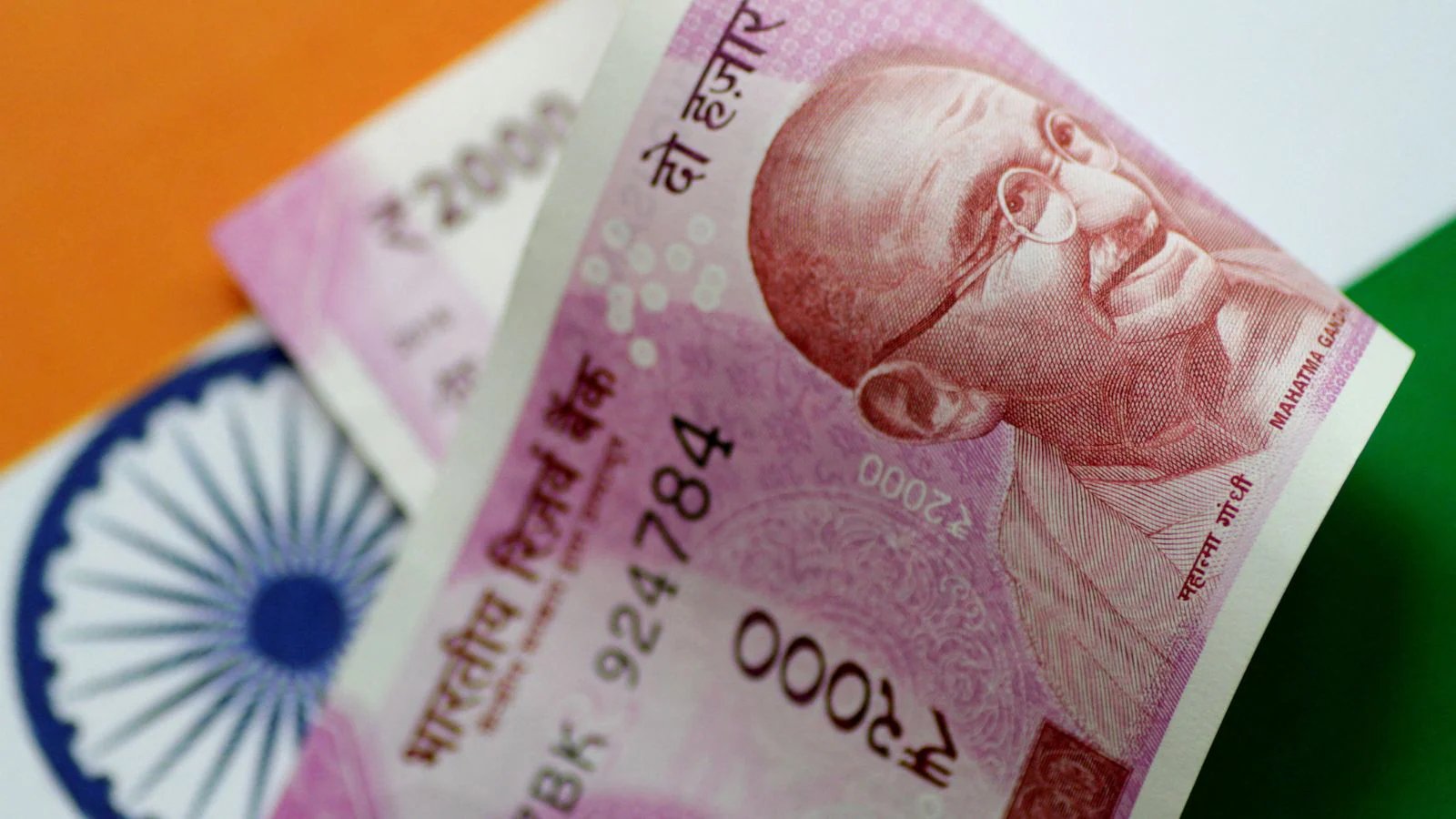
The rupee eased to 96.30 on Monday, a 5‑paise slide from its 96.25 close on Thursday. It opened at 96.20, fell to an intraday low of 96.31, and closed 0.05 paise weaker than the previous session, reflecting tight range‑bound trading under the shadow of a 96‑level psychological barrier.
Oil prices gave the currency a tailwind; Brent futures traded at $102.48, up 0.22%. The dollar index, a gauge of USD strength against a basket of currencies, ticked up to 102.18, a 0.25‑point rise. These macro‑factors compounded the pressure on the rupee as foreign institutional investors dumped ₹9,484.22 crore of equities on Thursday, according to exchange data.
Meanwhile, the RBI’s policy repo rate sits at 5.25%, down from the 6.50% peak after a 25‑basis‑point hike in February 2023. The Monetary Policy Committee, in its three‑day meeting, is leaning toward another 25‑basis‑point increase, aligning with the global central‑bank hawkish stance amid rising geopolitical tensions in West Asia. “The RBI is likely to tighten policy further to curtail inflationary pressures,” said Dilip Parmar, Research Analyst at HDFC Securities.
On the equity front, the Sensex surged 472.77 points to 72,382.47, while the Nifty climbed 133.80 to 22,555.75. Indian forex reserves fell $18.343 billion to $747.557 billion for the week ended 25 September, a decline from $765.901 billion the previous week.
Looking ahead, spot USDINR is expected to trade between 95.95 and 96.50 in the near term, with a bias toward further gains if the RBI follows through on rate hikes and oil prices hold above $100 a barrel. Investors will keep a close eye on the RBI’s policy decision and the trajectory of foreign capital flows to gauge the rupee’s next move.