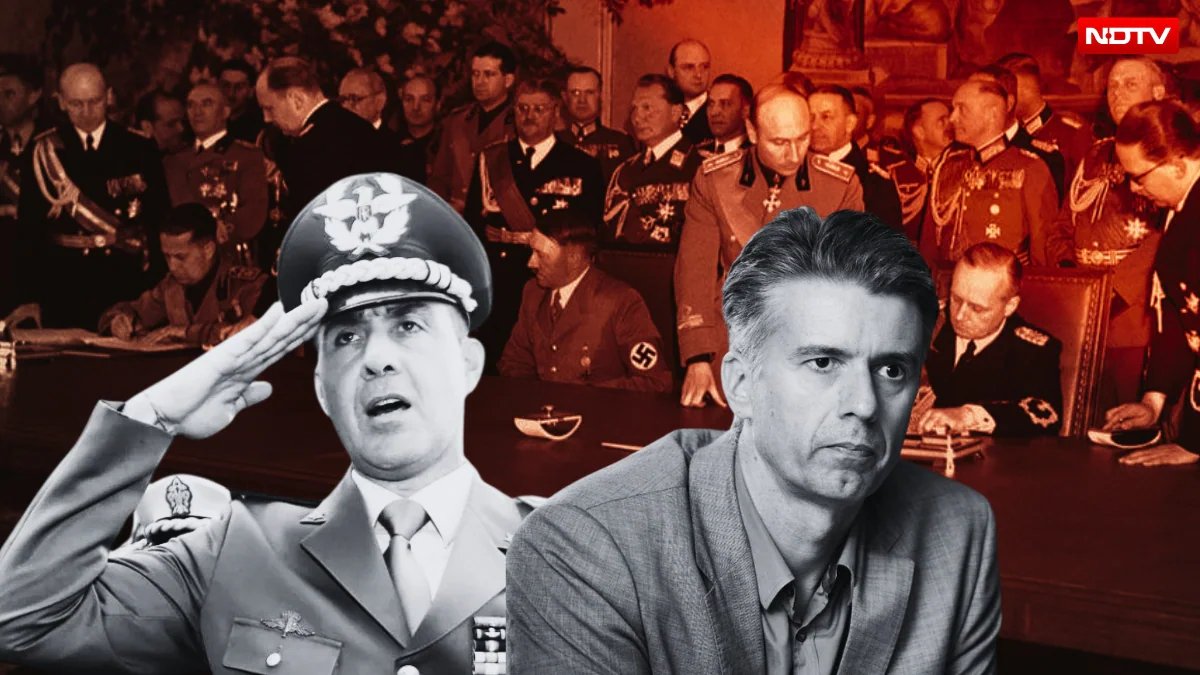
The joint rally in Orvieto saw the German far‑right Alternative für Deutschland and the Italian Lega standing shoulder to shoulder, issuing a joint statement that called for a new "European nationalist axis." The speakers urged closer coordination between nationalist parties across the continent and pledged to coordinate future electoral strategies, a move never before publicly declared by either party.
The call comes 87 years after the 1938 Pact of Steel between Germany and Italy, a historic alliance that cemented fascist cooperation. Historically, both parties have been vocal critics of the European Union and have called for tighter borders, but never before have they publicly sought to form a formal coalition. Analysts note that the rhetoric mirrors earlier fascist collaborations, though the modern parties operate within a democratic framework.
Opposition parties across Italy and Germany denounced the rally as a threat to democratic norms. The European Commission, in a statement released the same day, cautioned that the consolidation of nationalist forces could undermine EU cohesion and urged member states to uphold democratic values. The statement also called for monitoring of such political alliances.
The two parties have already begun drafting a coalition agreement that would see them coordinate on EU policy and electoral campaigning in the next European elections. The agreement is expected to be finalized by the end of the year, setting the stage for a coordinated nationalist push in the 2027 elections.