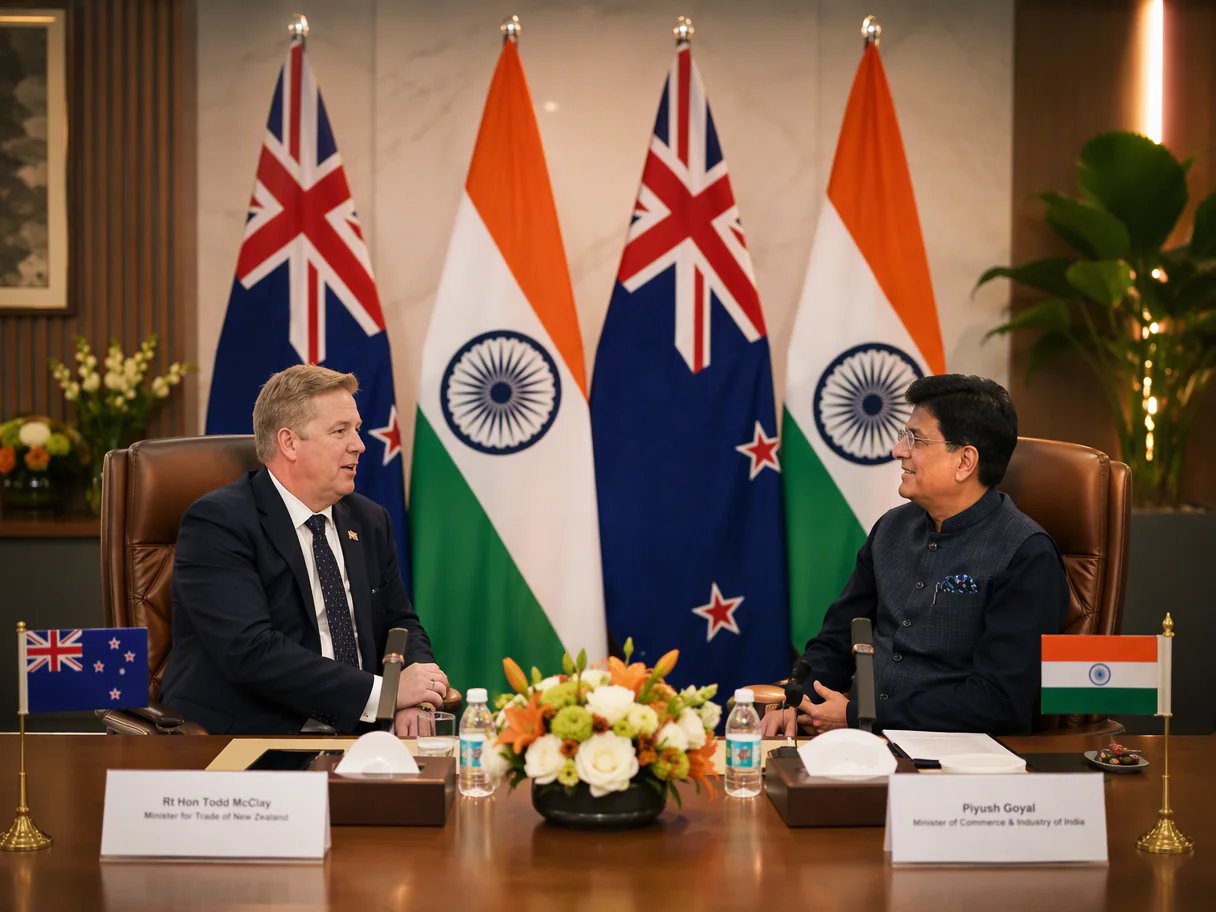
The India-New Zealand Free Trade Agreement (FTA) officially kicked in on October 20. From that day forward, Indian exporters face zero import duties when shipping goods to Wellington. It’s a 100 per cent duty-free corridor, open from day one. This isn’t a phased rollout. It’s immediate market access, stripping away the tariff barriers that previously made Indian products 10 per cent more expensive than their competitors.
For industries like engineering, stainless steel, and textiles, this changes the math. Chandragupt Prakash Mangal, MD of Mangalam Worldwide Limited, noted that the removal of duties on iron and steel products specifically levels the playing field. "The elimination of duties... can improve the price competitiveness of Indian exports," he told NDTV. It allows Indian manufacturers to pitch high-spec industrial products against suppliers from countries that don’t enjoy these new trade privileges. The goal is simple: win on price without cutting corners on quality.
But zero duty doesn’t mean automatic sales. Companies still have to build distribution networks, meet local product standards, and cultivate buyer relationships. Small businesses might find the entry barrier lower, but the operational lift remains. The agreement covers a broad swath of sectors—from leather and footwear to processed foods and gems. For New Zealand, the deal runs both ways, offering preferential access for sheep meat, wool, and forestry goods, though agricultural imports face specific quotas.
The strategic imperative is clear. New Delhi is diversifying its export markets to reduce reliance on a few traditional buyers amid shifting global trade winds. Signed on April 27, 2026, the pact isn’t just about goods; it includes provisions for investment and mobility. The two governments have set a hard target: doubling bilateral trade to $7 billion by 2030. Whether that number materializes depends on how fast Indian firms can move their stock to shelves in Auckland and Christchurch. The window is open. The clock is ticking.