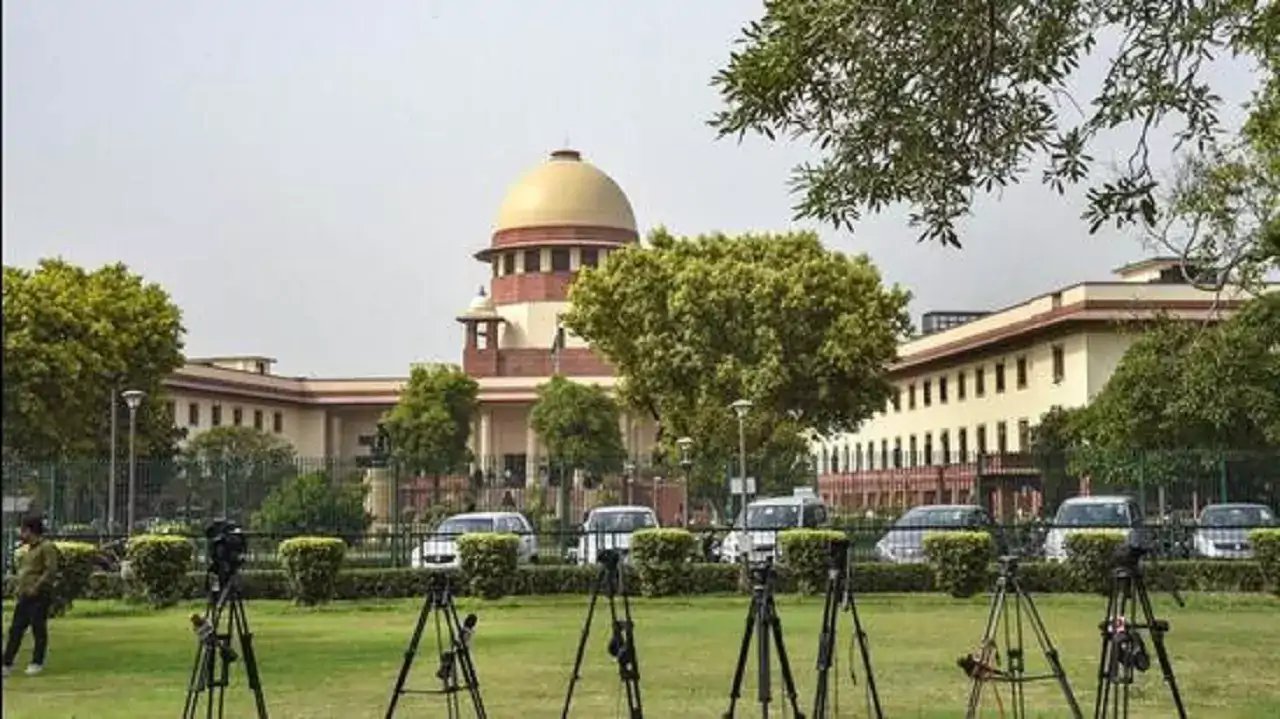
The Supreme Court has drawn a constitutional red line around the investigation process, declaring that skipping the written notice of arrest grounds is not a procedural glitch but a fundamental rights violation. In a verdict delivered by a Bench led by Justice Ujjal Bhuyan and Justice AS Chandurkar, the apex court held that Article 22(1) is 'sacrosanct' and cannot be diluted by the severity of the crime, including cases under the Prevention of Money Laundering Act (PMLA) or the Unlawful Activities (Prevention) Act (UAPA).
The ruling strikes at the core of how agencies handle high-profile investigations. The Bench emphasized that informing an arrestee of the grounds is a mandatory statutory right, not a mere formality. If the police or investigative agency fails to furnish these grounds in writing—and in a language the accused understands—the arrest is deemed illegal. There is no grace period for 'later compliance.' The court stated that subsequent filing of a chargesheet or an order of cognisance will not validate an arrest that began in violation of these safeguards.
This isn't just about paperwork; it’s about the automatic release of the accused. The Court clarified that any breach of Article 22(1) entitles the arrested person to immediate release. Furthermore, if an agency wants to re-arrest a person who was released due to this technicality, they cannot simply pick them up again. They must approach a magistrate for a fresh warrant, acknowledging that the initial custody was constitutionally defective. Justice Bhuyan noted that any attempt to encroach upon these rights must be 'frowned upon by the courts and dealt with strictly.'
The decision directly overturned a May 29 order by the Punjab and Haryana High Court, which had dismissed the plea of Jaskaran Jeet Singh Deol, a POCSO case accused. The High Court had allowed Punjab Police to re-arrest Deol after a magistrate had released him for non-compliance with Article 22(1). The Supreme Court found this logic flawed, reinforcing that the investigative agency cannot be permitted to bypass the constitutional mandate simply because they intend to follow 'due course' later. For Deol and others in similar legal limbo, this ruling provides a clear, immediate exit from illegal custody.
The implications for ongoing PMLA and UAPA cases are immediate. Investigating agencies must now ensure that every arrest is accompanied by a written, understandable copy of the grounds at the earliest possible moment. Failure to do so triggers automatic release, forcing agencies to start the legal process over. This shifts the burden entirely onto the state to prove procedural compliance, leaving no room for 'we'll fix it in court' defenses. The next step for many accused is a fresh petition for quashing of arrest orders, armed with this new constitutional shield.