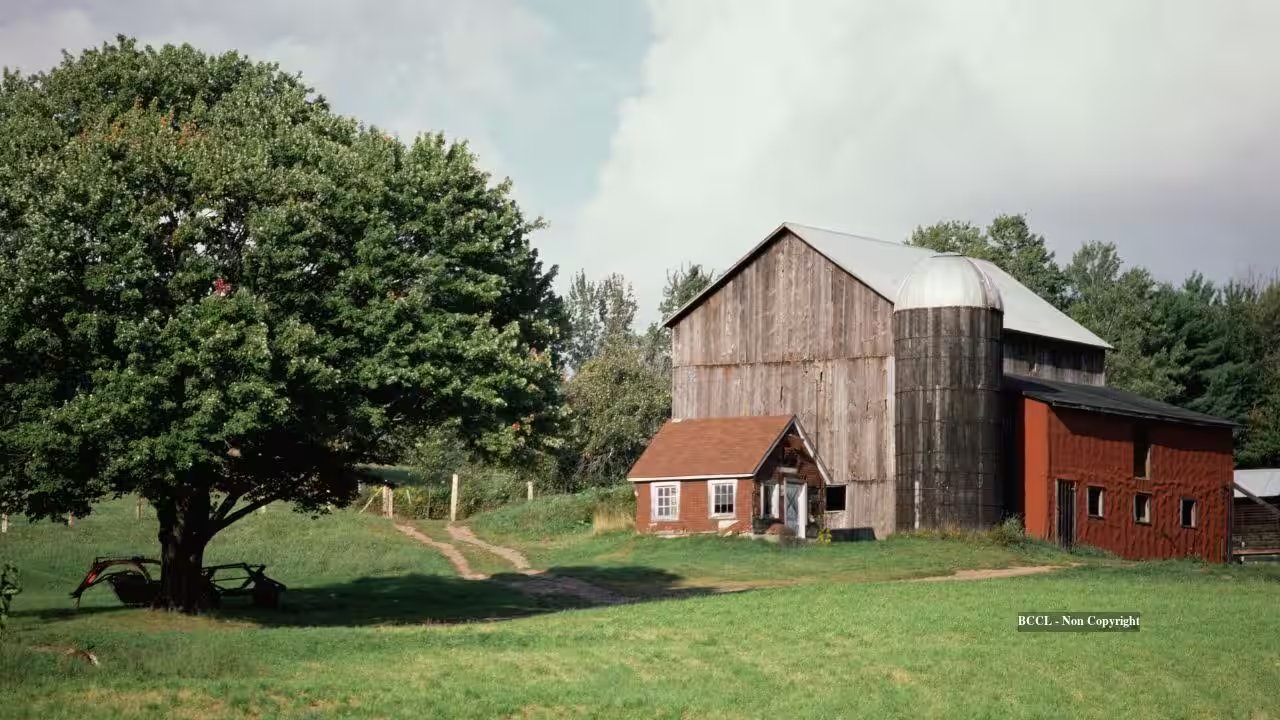
The 62-acre Toad Hall property in Kent County, Maryland, is now legally shielded from development permanently. A conservation easement finalized this week locks in the land’s ecological status, preventing subdivision or intensive construction. This isn't a new rewilding project. It’s the capstone of a 72-year experiment in patience.
In 1954, the current owners’ ancestors bought the tired truck farm and made a counter-intuitive call: stop forcing it to produce. They let the fields rest. Over seven decades, the soil healed, wetlands returned, and the landscape shifted from a vegetable plot to a complex habitat. Eastern Shore Undercover reports that this specific agreement represents the 350th property completed under the group’s protection program.
The legal mechanism is simple but powerful. A conservation easement allows the land to remain privately owned but strips away the right to build on it. If the family sells the property in 2050, the buyer inherits the restrictions. The land stays green. This permanence matters because ownership changes, but the easement doesn’t.
Toad Hall isn’t an isolated island. It plugs into a 1,200-acre conservation block on the Eastern Shore. Wildlife doesn’t check property deeds. Birds, mammals, and amphibians need connected corridors to migrate, feed, and breed safely. By locking down these 62 acres, the block becomes more resilient to climate shocks like droughts or heatwaves. The next step is monitoring; the land is safe, but the ecosystem continues to evolve.