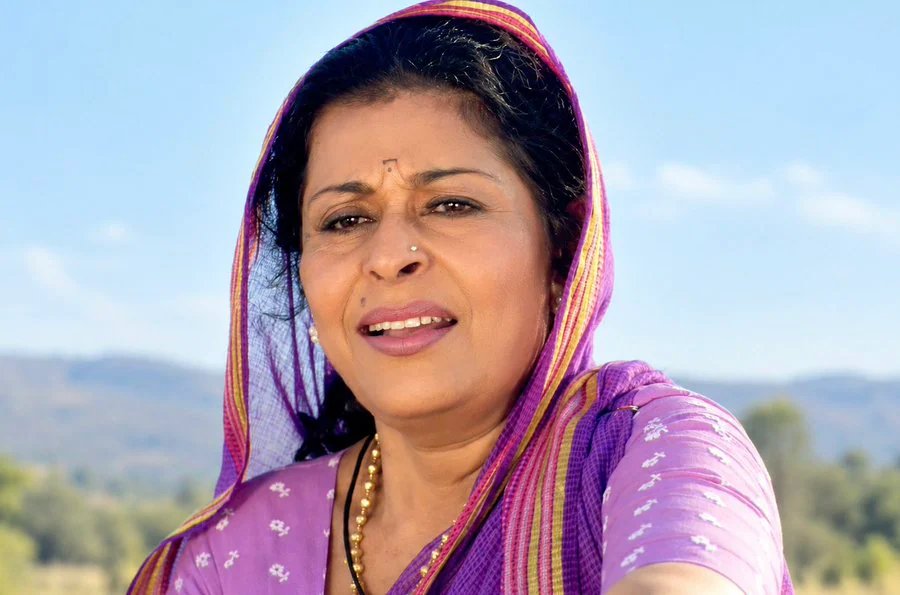
The Marathi film industry is mourning the loss of one of its most distinctive voices. Madhu Kambikar, 73, died in Pune on Tuesday after suffering a paralytic stroke that led to multiple health complications. She had been battling this prolonged illness for some time, but her passing marks the end of a career that spanned more than four decades across theatre, television, and cinema.
Kambikar wasn't just an actress; she was a custodian of Lavani, the traditional Maharashtrian folk dance. That’s what set her apart. While many of her contemporaries focused solely on dramatic roles, Kambikar seamlessly integrated her Kathak training and Lavani performances into her cinema work. Films like Hech Maazan Maheer, Raghumainaa, and Debu aren't just remembered for their plots, but for the way she brought rural folk life to the silver screen with a grace that felt both grounded and theatrical.
Maharashtra Chief Minister Devendra Fadnavis reacted to the news on X, describing her death as "extremely heartbreaking." He highlighted her ability to blend acting and dance to popularize folk arts connected to rural life. "Her roles in films like Hech Maazan Maheer, Raghumainaa, Ek Hota Vidushak, Jhapaatlela, Debu, and Yeu Ka Gharat will remain etched in the memory of audiences forever," he wrote in a tribute that emphasized her role in enriching the Marathi entertainment world.
The Maharashtra Directorate General of Information and Public Relations (MDGPIR) also issued a statement, noting that Kambikar established her identity by preserving the legacy of Maharashtra’s folk arts. They described her as a star who kept the flag of Marathi folk culture flying high on the silver screen with wit and multifaceted performances. For fans who grew up watching her on television serials and in regional films, her legacy isn't just about the roles she played, but the art form she kept alive.
As the industry prepares to pay its final respects, the focus remains on her enduring impact. Kambikar’s work bridged the gap between classical Kathak and the earthy rhythms of Lavani, creating a unique style that defined a generation of Marathi cinema. Her death is a significant loss for Pune’s cultural landscape, but her performances in those key titles will continue to be a reference point for aspiring artists in the region.