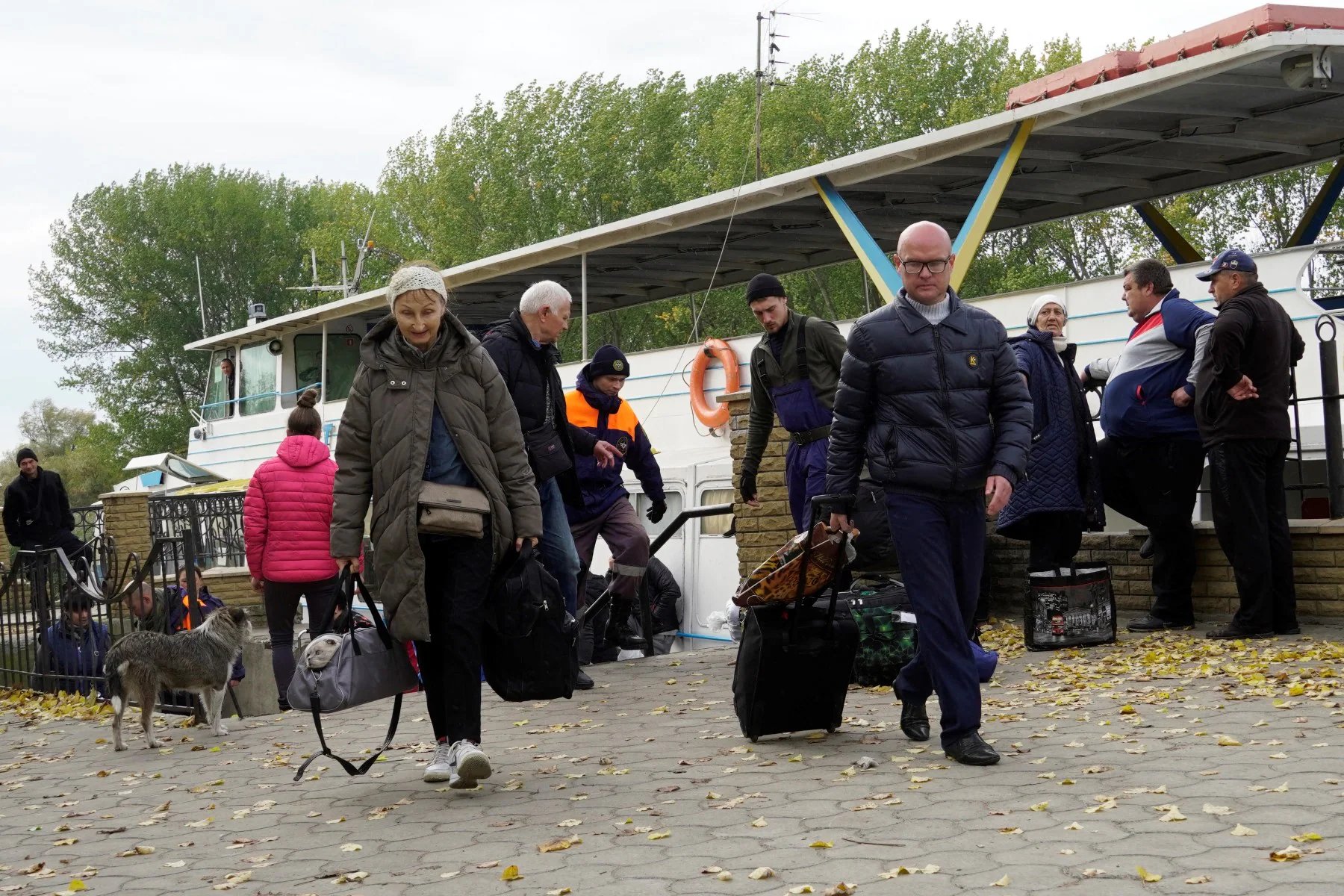
Kyiv’s General Staff confirmed at 0100 GMT on Tuesday that Ukrainian forces would halt combat operations in the designated Oleshky sector. This move mirrors a statement issued hours earlier by Russian Chief of the General Staff Valery Gerasimov, who ordered his troops to observe a ceasefire in the Kherson sector effective 3:00 am local time. The synchronized announcements signal a rare, localized de-escalation in the eastern front.
The primary objective, according to the Ukrainian statement, is to execute a humanitarian operation to extract residents trapped in the occupied zone. "The Ukrainian Defense Forces are doing everything possible to assist the residents of Oleshky," the command said, emphasizing the urgent need to ensure the safety and rescue of citizens who have been cut off from essential supplies. Neither the Russian nor Ukrainian military briefings specified the duration of the truce or the precise geographic boundaries of the stop-fire line, leaving the scope of the agreement deliberately vague.
Diplomatic efforts preceded this military coordination. Earlier in the week, US First Lady Melania Trump claimed she had brokered the localized ceasefire between the two sides in Oleshky. She highlighted the dire humanitarian crisis, noting that trapped citizens were running out of food. The intervention adds a layer of Western diplomatic engagement in a conflict zone typically characterized by direct military confrontation.
Attention now turns to the ground in Kherson to see if the truce holds. Humanitarian agencies are preparing to enter the zone, but the lack of a defined end time for the ceasefire creates uncertainty for rescue teams. Military observers on both sides are monitoring the contact line for any violations that could collapse the fragile arrangement before the first aid convoys arrive.