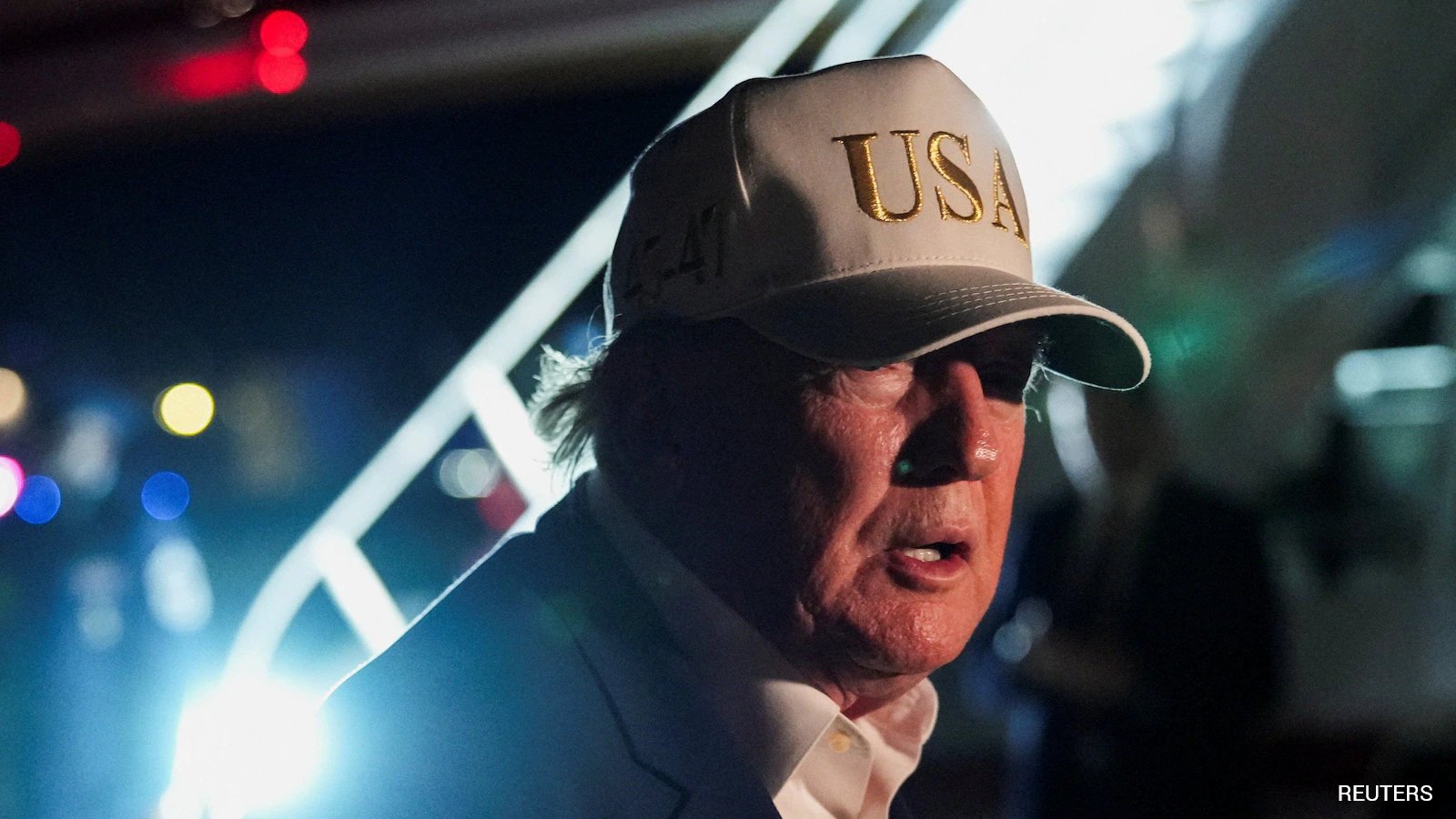
WASHINGTON — The United States stands primed to resume military strikes against Iran at a moment's notice, even as Gulf partners urge a diplomatic off-ramp, Donald Trump confirmed on Monday.
Trump met directly with Qatar's prime minister earlier in the day to weigh regional tensions. The diplomatic push from key Middle Eastern capitals has intensified, with regional leaders attempting to broker terms between Washington and Tehran. Yet Washington's stance remains overtly armed and volatile.
"Qatar would rather see a peaceful solution," Trump stated. "Saudi Arabia would rather see a peaceful solution. But we're ready to go anytime we want."
The warning was blunt.
Trump signaled he feels no immediate urgency to authorize fresh kinetic strikes, expressing satisfaction with existing pressure campaigns. The centerpiece of that leverage remains the American naval chokehold deployed at the gateway to the Persian Gulf.
American warships currently enforce a naval blockade against Iran across the Strait of Hormuz, throttling commercial sea lanes and keeping Iranian maritime assets pinned down. Trump highlighted the blockade as an effective tactical holding pattern while diplomacy plays out among intermediary states.
"We'll see where it goes," Trump said. "I'm prepared."
Qatar has positioned itself as an active intermediary between Washington and Tehran, supported in diplomatic backchannels by Saudi Arabia, Pakistan, Egypt, and Turkey. Gulf monarchies fear that a return to direct US airstrikes would trigger retaliatory missile salvos across regional energy infrastructure and permanently shutter Gulf navigation.
For now, the White House has left the trigger cocked. Washington is monitoring commercial traffic and Iranian naval movements through the Strait of Hormuz, with US defense officials assessing whether Gulf-led mediation can produce binding concessions before military strikes are ordered.