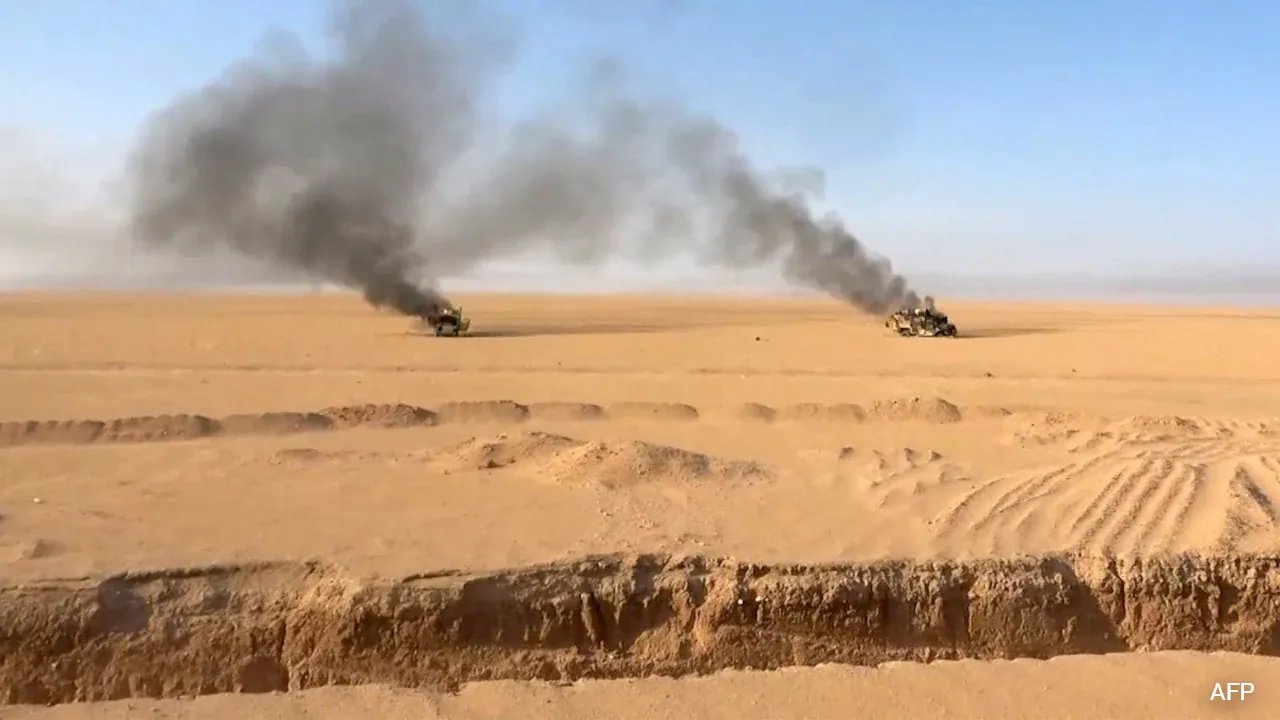
On May 30, Saudi Arabia turned to Beijing after the Houthis launched a rapid advance along Yemen’s Red Sea coast and the Bab el‑Mandeb Strait, threatening Saudi oil exports and maritime traffic.
China’s diplomats privately urged Tehran to use its influence to curb the Houthi offensive, calling for restraint, dialogue, and the restoration of safe navigation, according to three Iranian officials.
Iran replied that stability and peace in the region depend on ending the US‑Israeli war, and that it would not act unless that conflict was resolved, according to the same officials.
The Chinese foreign ministry said it does not wish to see regional tensions spill over into Yemen and the Red Sea, and it urged parties to resolve issues through dialogue and negotiation.
China accounts for more than 80% of Iran’s seaborne oil exports in 2025, averaging about 1.4 million barrels per day, and the country relies on the Red Sea and Bab el‑Mandeb as key maritime routes, making the Houthi threat a direct risk to its energy security.
With Iran’s foreign ministry silent on further action, Beijing remains in a position to monitor Tehran’s response, while the international community watches whether the Houthi advance will be checked before the wider conflict threatens global oil flows.