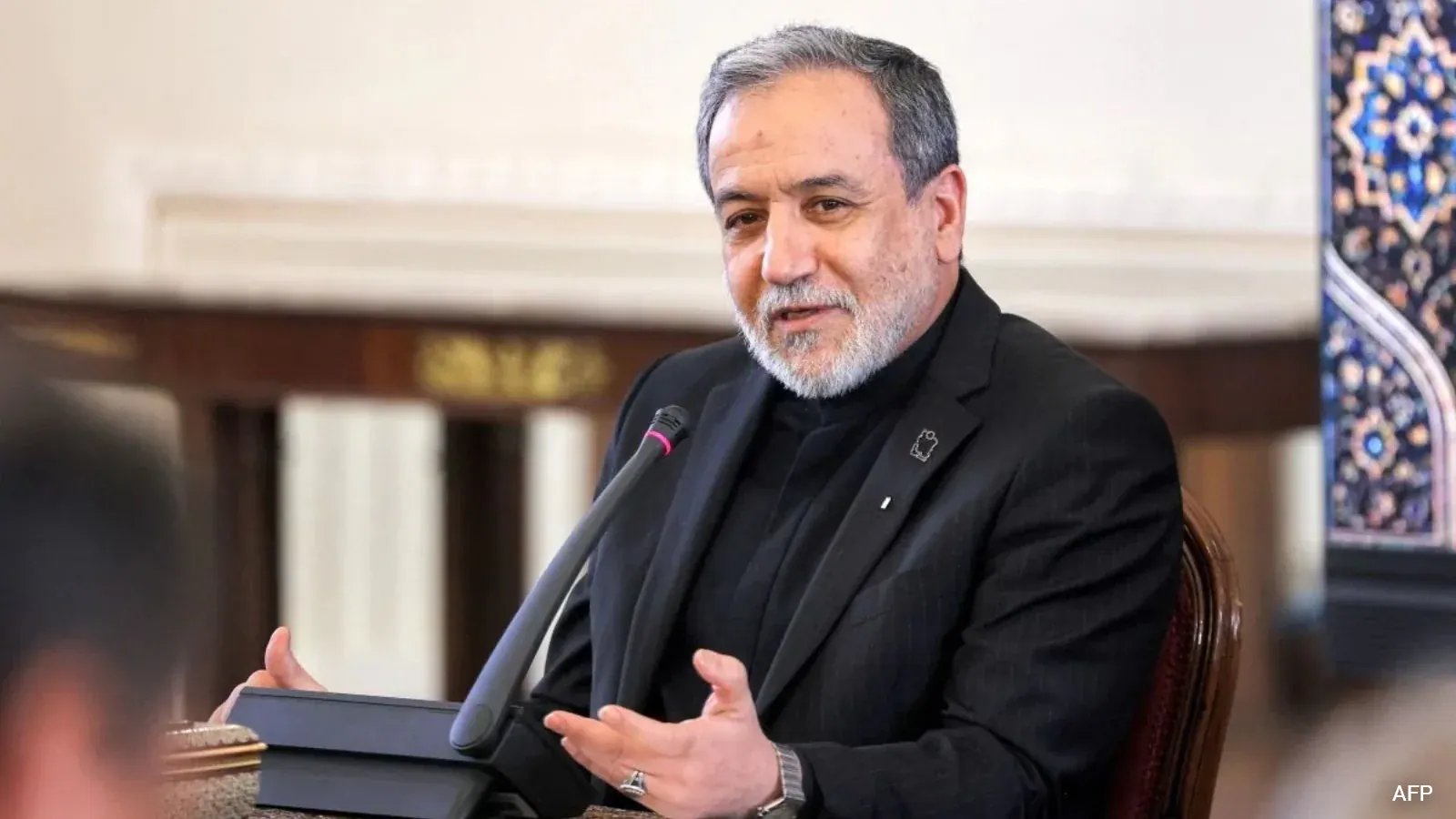
Iranian Foreign Minister Abbas Araghchi stood before foreign ambassadors on Sunday, declaring that the U.S. war over the Strait of Hormuz would not be resolved by force. He warned that any new military confrontation would provoke an even stronger Iranian response and that only negotiations grounded in fairness could end the conflict.
The statement came after a June memorandum of understanding that outlined a framework for a permanent solution, but Tehran’s repeated attacks on vessels in the Hormuz have prompted a return to U.S. naval operations. The U.S. has refrained from striking Iran since September 1, yet it has intensified military presence in the region, deploying Patriot batteries to Saudi Arabia and Qatar to protect key energy infrastructure.
In the early hours of Sunday, the UK Maritime Trade Operations (UKMTO) reported a tanker struck by an unknown projectile in the Hormuz. The vessel, whose crew were unharmed and no environmental damage was recorded, was in transit without Iranian authorization. The incident highlighted the ongoing blockade attempts by Iran to control the vital shipping lane, a point of contention that has fueled both sides’ rhetoric.
At the sidelines of the U.N. General Assembly, Iranian officials presented seven conditions for reopening the Strait, demanding a Middle East ceasefire, asset unfreezing, sanctions relief, and an end to the U.S. naval blockade. U.S. officials, led by President‑elect Trump, rejected the proposal but left the door open for further talks or renewed military action. The next critical step will be a U.S. decision on whether to resume naval patrols if Tehran blocks the strait again.