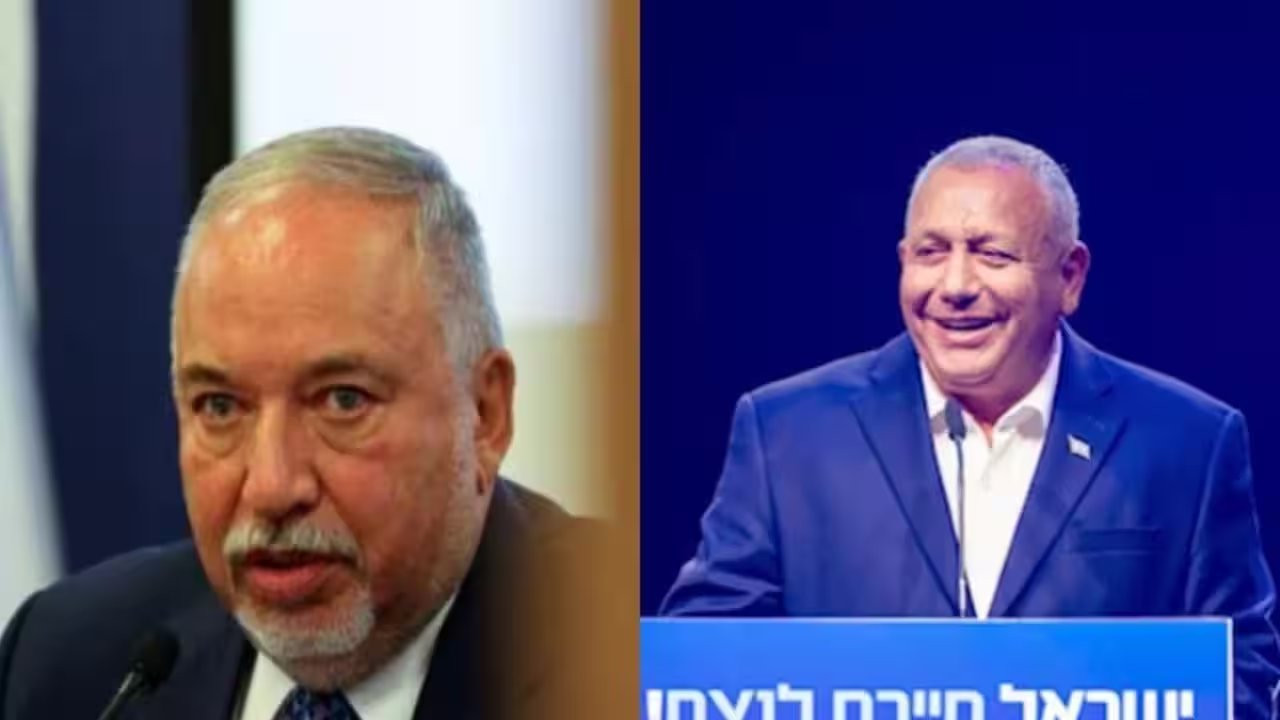
Israeli President Isaac Herzog officially handed Yashar party chairman Gadi Eisenkot the mandate to build the country's next government on Sunday, setting off a frantic scramble to unseat Prime Minister Benjamin Netanyahu. Eisenkot locked in formal recommendations from 67 members of the 120-seat Knesset during factional consultations at the President's Residence in Jerusalem. The endorsement handed him the clear parliamentary majority required to seize control of coalition negotiations.
Hard bargaining began immediately. Herzog declared that the former military chief possessed the "clear and unequivocal support" of a parliamentary majority, granting him the primary runway to assemble a stable cabinet. Eisenkot, who resigned from Netanyahu's wartime cabinet alongside Benny Gantz in June 2024, struck a somber tone as he accepted the mission. Addressing a fractured electorate, he pledged to forge a broad national emergency administration grounded in what he termed an era of "Zionism, solidarity, and friendship."
The challenges are stark. In a public declaration following the presidential handover, Eisenkot warned of an acute national emergency driven by ongoing military campaigns, stalled strategic goals, and what he termed a "devastating diplomatic crisis." He insisted that Israel requires leadership dedicated to unity rather than factional survival. Yet the arithmetic of his governing bloc remains fragile, exposed to deep ideological fractures among the very factions that endorsed him.
Eisenkot’s coalition bid relies on a disparate alignment of centrist, left-wing, right-wing nationalist, and Arab-led factions. While this alliance crossed the 61-seat threshold to wrest the mandate away from the ruling coalition, sustaining a working majority poses immediate obstacles.
| Knesset Faction Bloc | Recommendation Status | Core Coalition Position |
|---|---|---|
| Yashar, Together & The Democrats | Backed Eisenkot (Mandate Secured) | Push for broad centrist-led national emergency cabinet |
| Yisrael Beiteinu (Avigdor Lieberman) | Backed Mandate Bid | Opposes minority government reliant on Arab-led parties |
| Arab-Led Factions | Endorsed Eisenkot to Herzog | Demand concrete policy shifts on domestic and community issues |
| Governing Coalition (Netanyahu Bloc) | Opposed Mandate | Retains 53 seats in opposition to change bloc |
A major rupture emerged almost immediately over government composition. Yisrael Beiteinu leader Avigdor Lieberman drew a hard line, categorically refusing to prop up any minority administration that depends on parliamentary votes from Arab-led parties. That veto creates an immediate tactical wall for Eisenkot. Without Lieberman, the change bloc drops below the 61-seat threshold needed to win a vote of confidence; without Arab-led party cooperation, Eisenkot cannot bypass right-wing resistance.
Eisenkot is scheduled to meet Lieberman on Monday for one-on-one negotiations to break the deadlock and settle the leadership structure of the change bloc. The clock is running. Under Israeli basic law, Eisenkot holds an initial 28-day window to negotiate a formal coalition agreement, with President Herzog holding discretionary power to grant a 14-day extension if talks demonstrate progress. The high-stakes negotiations kick off just hours before lawmakers take their oaths when the new Knesset formally convenes on Tuesday.