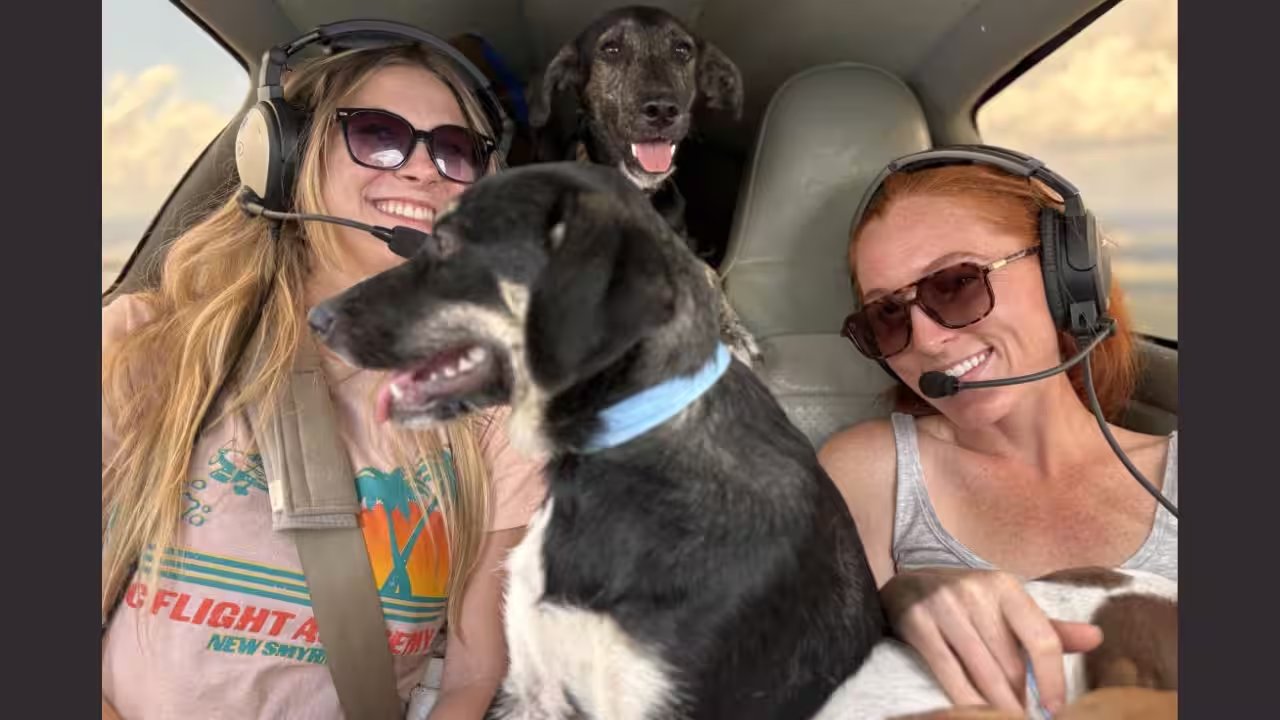
Fast flights cut a dog’s travel time from days to a few hours, according to a report by the nonprofit Animals Away. The shorter journey means less time in cramped crates, fewer temperature swings, and lower cortisol spikes—scientifically proven to keep animals healthier.
Veterinary checks precede every flight. Before take‑off, each pet receives a health exam, required shots, and a travel certificate. The result: fewer infections, smoother recovery, and a higher chance that a rescued dog will thrive in its new home.
“Seeing a pup arrive in a loving home within the week feels worth every minute of flight,” said pilot Steve Capontes. His words echo the sentiment of dozens of rescue teams who say rapid transport saves lives, especially for nursing mothers and puppies who are most vulnerable to stress.
The network’s reach extends across 50 shelters in the eastern United States, moving more than 12,000 animals in 16 years. That scale shows that the model works: shelters report faster turnover, lower euthanasia rates, and happier adopters.
If you’re planning to adopt, ask about the shelter’s transport methods. A facility that flies pets out of overcrowded shelters is more likely to provide a calmer, healthier animal. And remember, a lower‑stress pet is a lower‑stress owner.
For those who volunteer, joining a flight crew can add an extra layer of routine to your life, building flight hours while giving back to animals and communities. The health benefits ripple outward—pets feel better, families feel better, and the planet feels better.