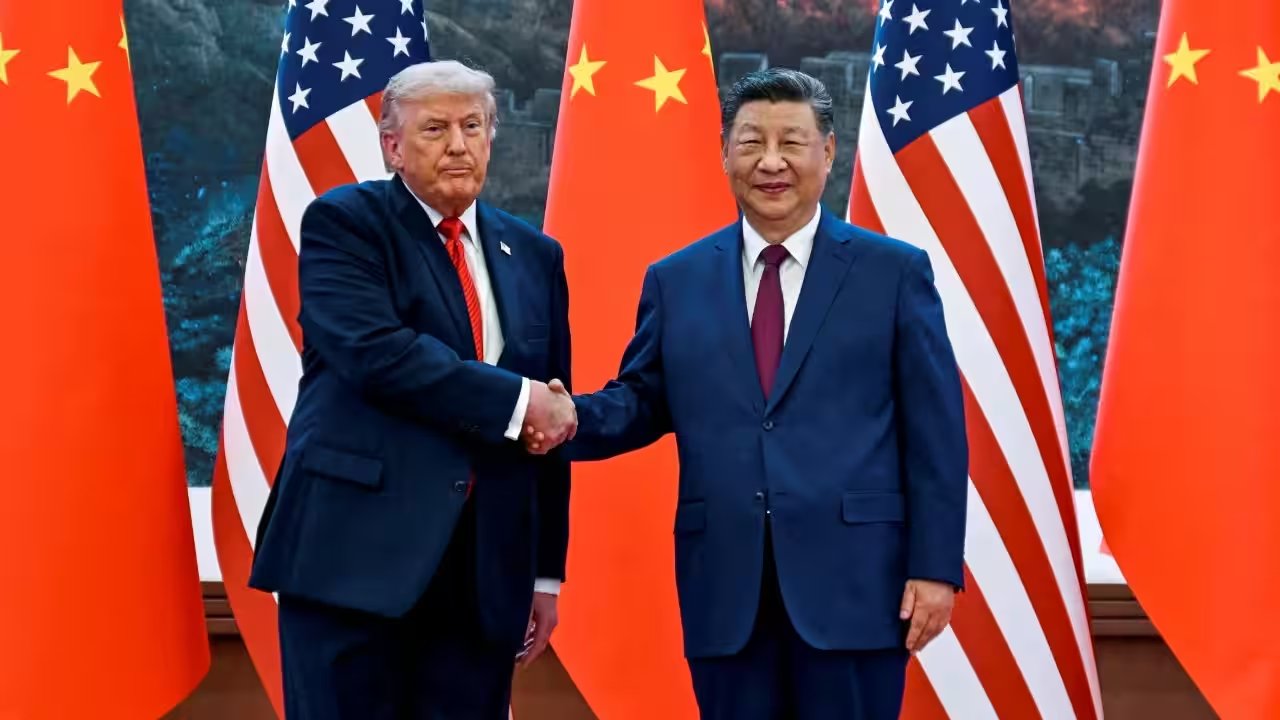
Donald Trump is preparing to put Chinese President Xi Jinping on the defensive this Thursday, citing what US officials call the clearest evidence yet that Beijing’s intelligence support for Tehran has direct, lethal consequences for American forces. The friction centers on a July 17 Iranian ballistic missile strike on Muwaffaq Salti Air Base in Jordan, which killed three US soldiers and wounded four others. According to The Wall Street Journal, Tehran possessed high-resolution satellite images of the base prior to the attack, imagery that US intelligence attributes to Chinese commercial entities. This isn’t just a diplomatic squabble. It’s a claim that Chinese data infrastructure enabled the targeting of US personnel in a third country.
The White House has not named the specific Chinese firms involved, and Beijing has firmly rejected the accusations. Yet the US position is hardening. In May, the Trump administration sanctioned three Chinese companies for activities it described as aiding Iran’s targeting capabilities. Now, with a presidential summit scheduled for September 23 to 25, the stakes have escalated from sanctions to a face-to-face confrontation. Trump acknowledged the intelligence rivalry on Sunday, stating bluntly, “I say you’re right, and we spy on them, too.”
The attack in Jordan marked a dangerous escalation in the regional conflict. Iranian missiles struck a housing area where American troops were stationed, destroying infrastructure and killing three service members. US officials insist the satellite data was not merely observational; it was operational. This distinction matters because it shifts the narrative from general geopolitical concern to a specific, actionable threat vector. The involvement of Chinese technology in this chain of events has alarmed Washington, prompting Secretary of State Marco Rubio to raise the issue directly with Chinese Foreign Minister Wang Yi days after the strike.
The summit agenda extends far beyond this single incident. Trade tariffs, artificial intelligence regulations, rare earth mineral access, and the status of Taiwan are all on the table. The current trade truce expires in November, making this meeting a critical checkpoint for economic stability. Trump is expected to greet Xi personally at Joint Base Andrews, a gesture of hospitality that will feel strained if the satellite imagery accusation dominates the first hour of talks. Both sides are trying to keep the broader relationship from collapsing, but the ghost of the Jordan strike is now in the room.
What happens next will be determined by Xi’s response to Trump’s opening remarks. If Beijing maintains its denial, the US may push for stricter enforcement of existing sanctions or new export controls on satellite data providers. The diplomatic window is narrow. With the trade truce clock ticking down and tensions in the Middle East still simmering, this two-day summit will define whether US-China relations enter a phase of managed competition or open confrontation.