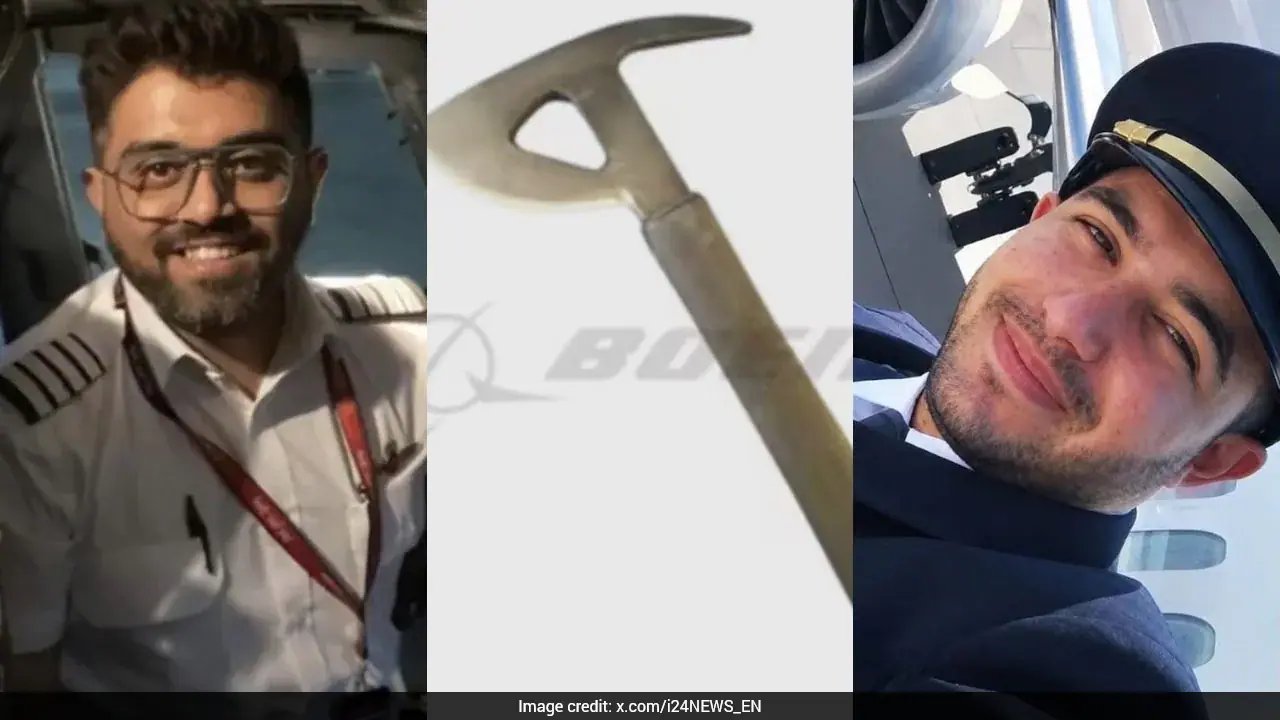
Hammam al‑Hammami, a 31‑year‑old Omani co‑pilot, stormed the cockpit of a flydubai Boeing 737 on March 17, 2024, and assaulted Captain Smit Machchhar with a crash‑axe. He tried to seize control, but the captain’s injuries left him unable to continue. Passengers and two off‑duty pilots rushed to the cockpit, while a woman in the cabin, whose daughter was in the lavatory, called out to others. The struggle halted the attack, but al‑Hammami succeeded in shutting off the aircraft’s engines, as later confirmed by cabin emergency lights turning on mid‑air. The plane began a rapid descent, dropping 16,000 feet in thirty seconds.
The emergency lights, which activate only when the plane loses main power, signaled that both engines had been turned to 'Cutoff' on the fuel switches. At the peak of the descent the aircraft’s speed climbed to 970 km/h, tearing the tail rudder and forcing the autopilot to disengage. Captain Machchhar, bleeding heavily, was unable to restore thrust, and the crew had to manually stabilize the aircraft.
Passenger Yaniv Hayoun, a plumber from Israel, seized the control stick and kept the nose from plunging, while the two off‑duty pilots eventually regained full command. Saudi air‑traffic controllers, upon detecting the loss of engine thrust, instructed the aircraft to reverse course and return to Saudi airspace, later directing an emergency landing at Tabuk. Israeli intelligence has classified the incident as a terror attack and is probing how an Omani pilot was cleared to fly into Tel Aviv, a country with no diplomatic ties to Oman.
Al‑Hammami was immediately handed over to Saudi authorities for interrogation, and a joint investigation involving Saudi and Omani aviation safety regulators is underway. The incident has prompted Israel to review its airport security protocols, while the International Civil Aviation Organization has called for stricter vetting of airline crew. The outcomes of the probes will shape future airline crew approvals and international aviation safety standards.